Make Returns Easier to Handle at the Counter
A clear returns routine can keep a small shop fair to customers and easier on the staff handling the next busy checkout.
Read more


A clear returns routine can keep a small shop fair to customers and easier on the staff handling the next busy checkout.
Read more

A stock adjustment can fix the number on screen and still leave the next person puzzled. A short reason-and-review routine helps a small shop explain what changed and what to do next.
Read more

That stack of unsold mugs is taking up more than shelf space. A short slow-stock review can help you decide what to reorder, move, mark down, or stop buying.
Read more

Someone calls about the blue lamp you have on the shelf, then gets pulled into a meeting before pickup. A short hold policy tells customers and staff what happens next, without turning a friendly favor into a week-long scavenger hunt.
Read more
A display can sell an extra item and still block the way to the register. A quick walk from the entrance to checkout helps a small shop spot obstacles and make it easier for customers to get help.
Read more

A school event, holiday, or short-staffed afternoon can change a shop's hours. The problem starts when Maps says one thing and the door says another. Use one simple update routine to keep customers from making a wasted trip.
Read more

A carton arrives as one purchase, then leaves the shop one item at a time. A clear pack-size rule keeps ordering, shelf counts, and checkout from drifting apart.
Read more

A container of sauce looks familiar until nobody can remember when it was made. A clear date label and a two-minute handoff give the next shift a much better answer than sniffing and hoping.
Read more

A customer points to a lower price online while the line grows behind them. A short, written price-match rule helps your team check the right details and answer without a huddle at the register.
Read more
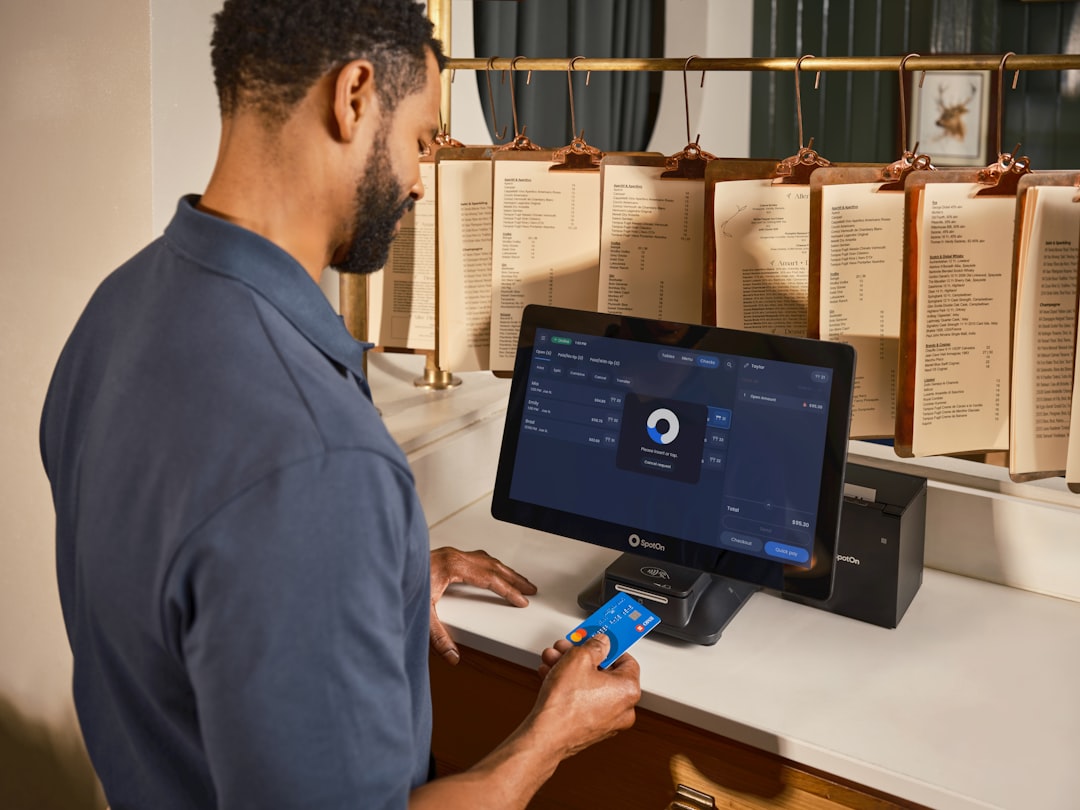
The house pasta sells all night, but do you know what each plate leaves behind? A short weekly menu review can help you spot the dishes worth featuring, fixing, or reconsidering.
Read more

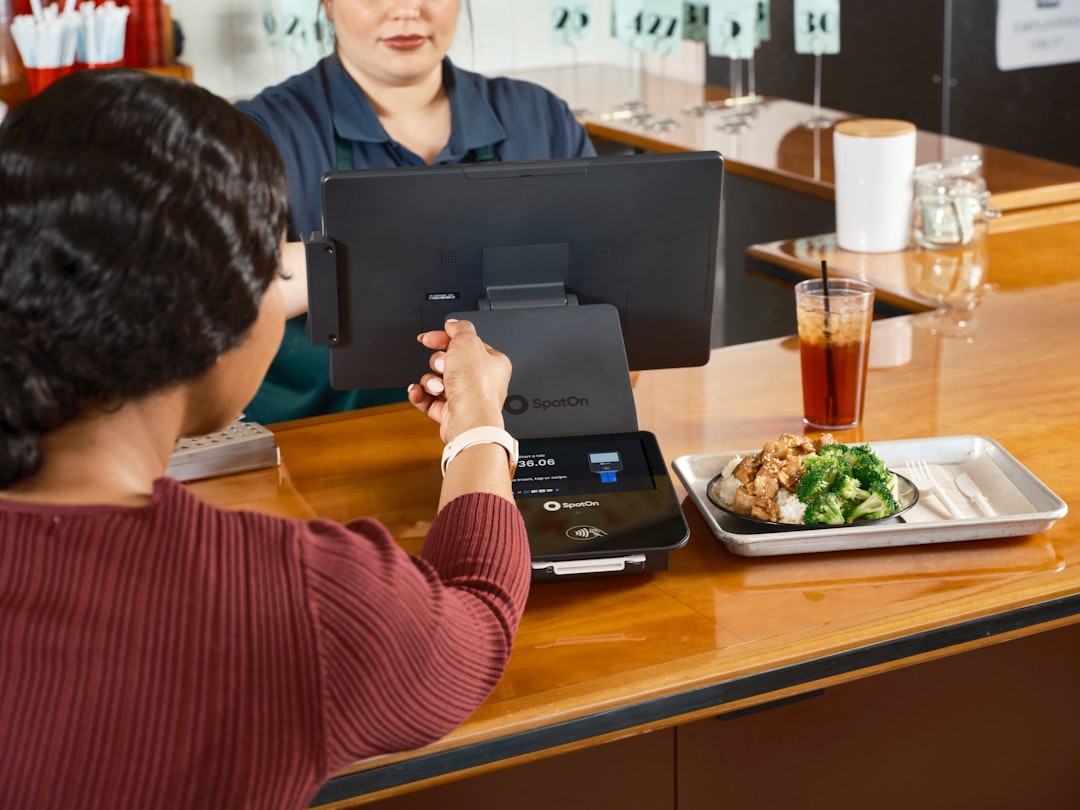
A discount can bring people through the door and still leave the team guessing. Set the offer, register rules, and follow-up before the first sign goes up.
Read more
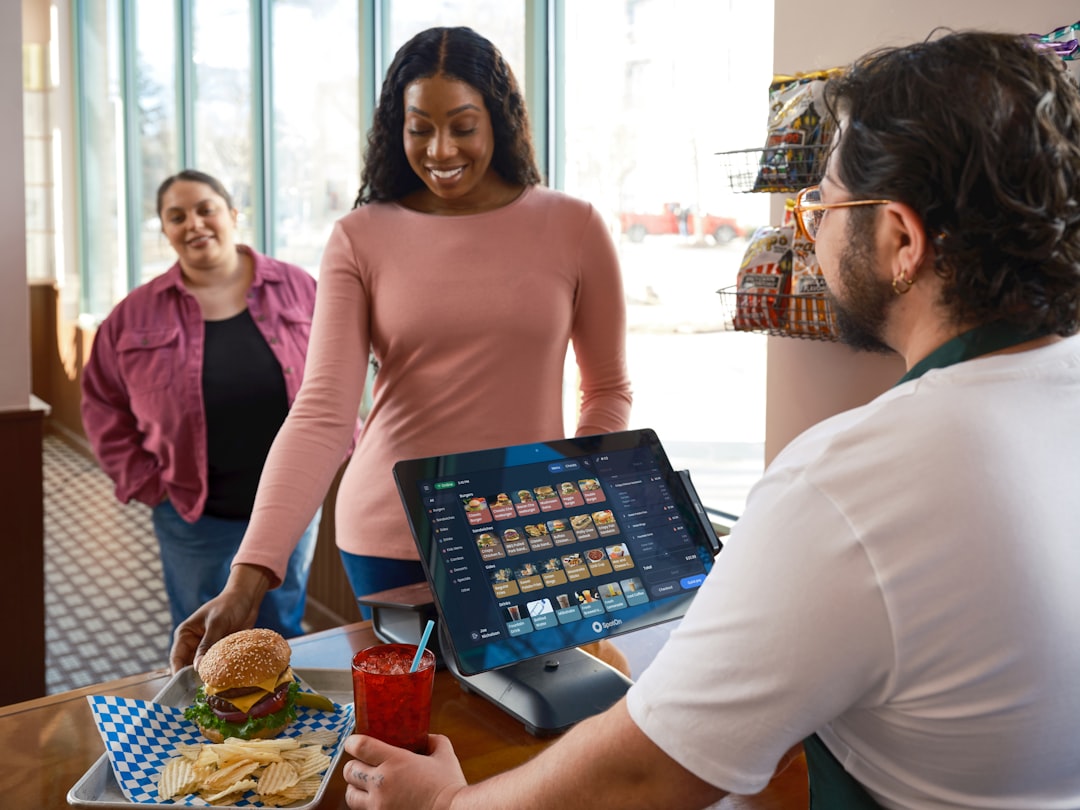
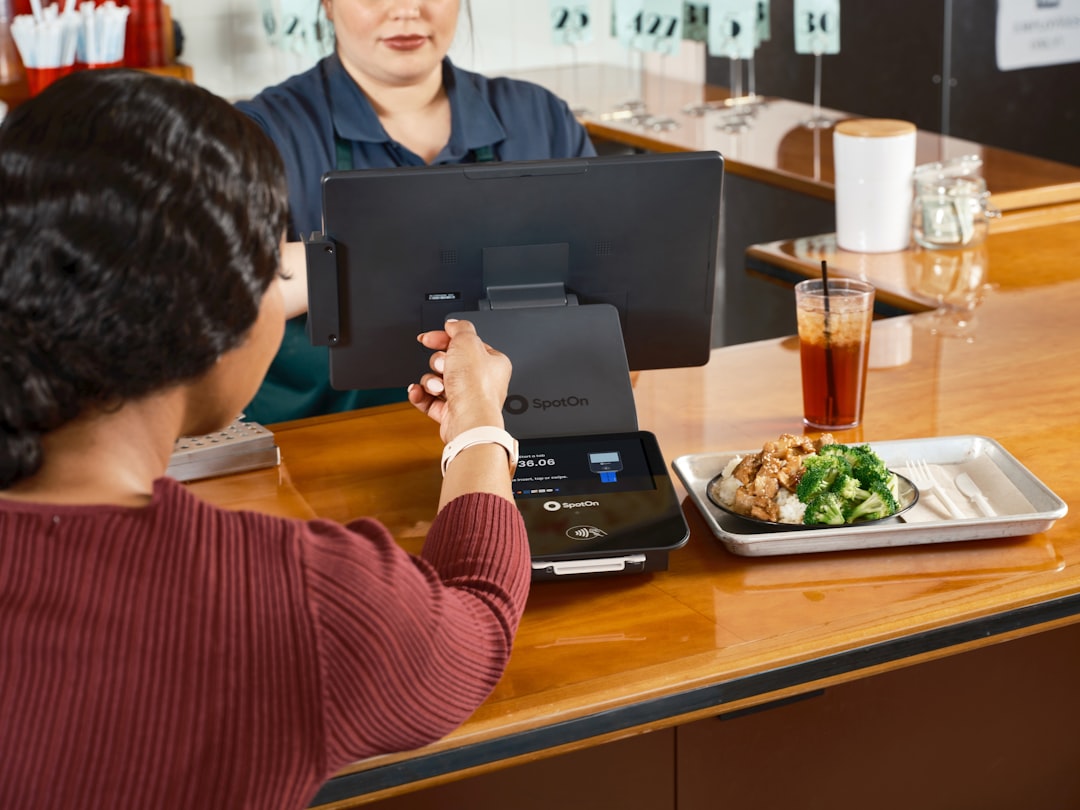
The register closes at $840, but the bank shows a smaller deposit two days later. A simple reconciliation routine helps explain the gap without turning every payout into a mystery.
Read more
The shelf says six, the register says nine, and a customer is asking for one now. A short, repeatable cycle-count routine can turn that mismatch into a useful clue instead of another end-of-month headache.
Read more
The register says no, but the customer sees money set aside in their banking app. A calm response can prevent a second charge and give both sides a clear record while the issuer sorts out the hold.
Read more
A returned shirt, unopened jar, and cracked mug should not all take the same trip back to inventory. A short inspection routine keeps the refund and the item's next destination from getting tangled.
Read more
The first customer arrives while a new cashier is still learning where the buttons live. A slower, staged first week gives them room to practice the routine before the line starts watching.
Read more
The delivery lands during the lunch rush, and the invoice says every case arrived. A few steady checks can catch missing or damaged goods before they become tomorrow's inventory mystery.
Read more
Two guests share dinner, one wants to use a gift card, and the line is growing. A simple split-payment routine helps the cashier keep one clear sale while each person pays the agreed share.
Read more
A guest mentions an allergy at the table, then the order moves from server to kitchen. A clear handoff gives the team a chance to ask, check, and communicate before anyone makes a promise the kitchen cannot keep.
Read more
A connection failure can turn a quiet checkout into a guessing game. Set a short outage routine before it happens, and your team will know what to pause, record, and check when service returns.
Read more
A best-selling item can disappear while a reorder rule still says everything is fine. Use actual sales and delivery history to set a trigger that fits your shop.
Read more
A short pre shift check and closeout review can turn POS accuracy into a daily habit instead of a source of quiet surprises.
Read more
A short opening check can catch price, discount, and payment problems before they spread through the day.
Read more
A short, visible list near the register can catch small POS problems before they repeat, hide during a handoff, or show up again in the closeout numbers.
Read more
A simple exception board can turn scattered register problems into a shared shift routine, helping small teams catch gaps before they become lost sales, slow service, or end-of-day surprises.
Read more
Small teams need a simple way to turn POS AI alerts into a short list of checks instead of a wall of warnings.
Read more
Three dollars and sixty cents over. A dollar and ten under. The same numbers, the same lanes, the same story. Here is how to read the gap and find the habit that keeps writing it.
Read more

The register holds a selling price and a cost guess that never updates. The margin report is built on that guess. Here is how to make the cost match the invoice.
Read more

It writes the day's summary, drafts the restock note, and sends the customer follow-up before your coffee cools. The part that still needs you is the one where a wrong number reaches a real person.
Read more
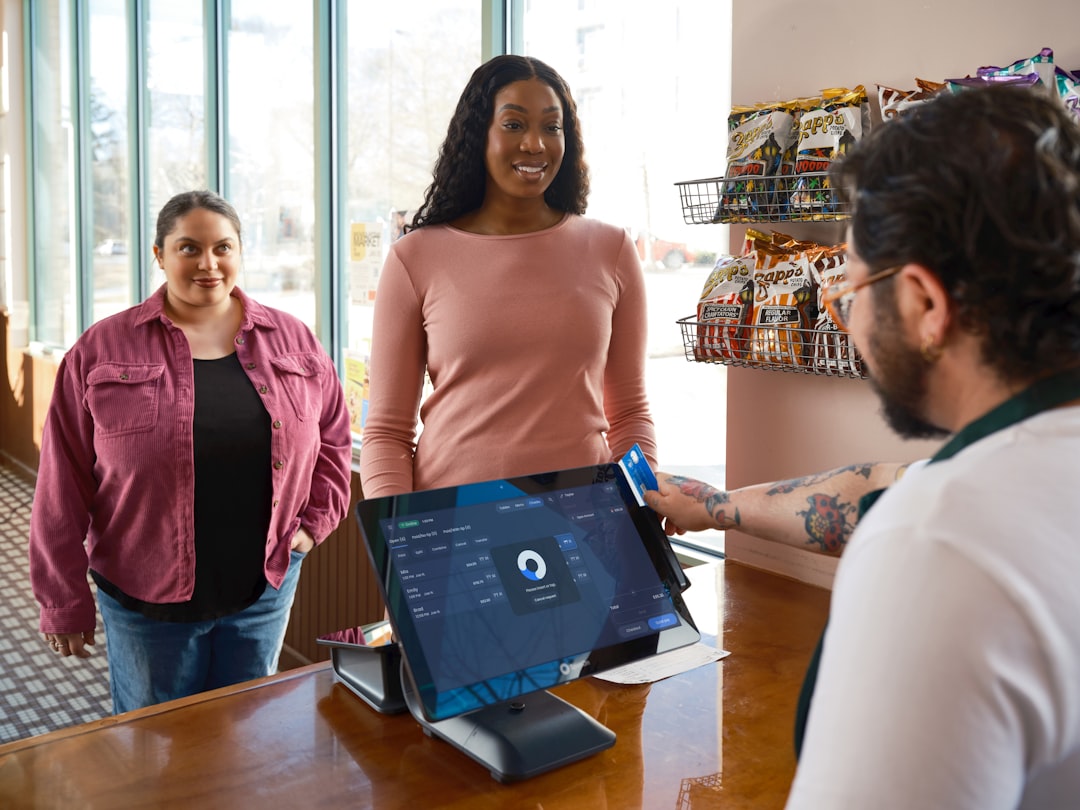
A $28 order can hand the app more than half the money before your kitchen ever starts cooking. Here is the math, and the one register report that shows it.
Read more

The empty floor at 2:30 on a Tuesday is not a mood. It is a line in the sales log, and the log is telling you where your money goes and where your people should actually be.
Read more

That carton of yogurt went into the bin at 9:40, and nobody wrote a line for it. The expiry stack turns those quiet tosses into waste totals your closeout can actually read.
Read more

Every cashier login in your register is a data point in a schedule nobody posted. One fifteen-minute weekly check lines the two up, and the floating shifts, tip-pool arguments, and three-day streaks name themselves before they do.
Read more

Customers buy gift cards, then half the money never gets spent. The receipt is where you find it.
Read more
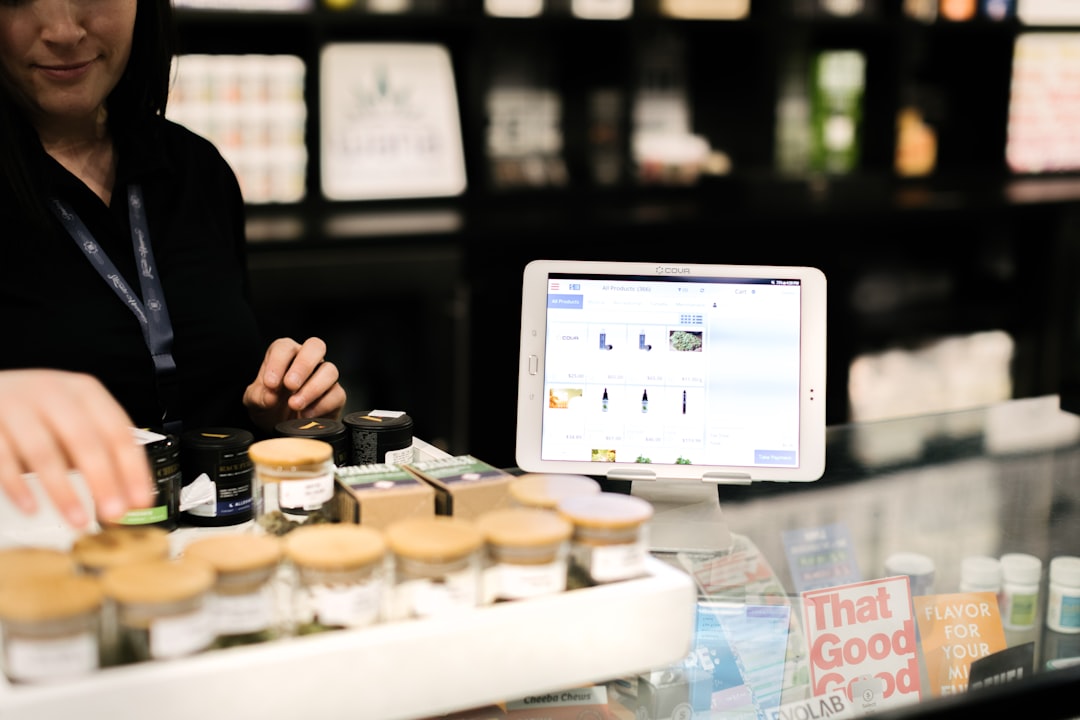
Her loyalty app had 2,400 members and three redemptions all month. The fix was a pad of paper cards and a register that remembers who holds them.
Read more

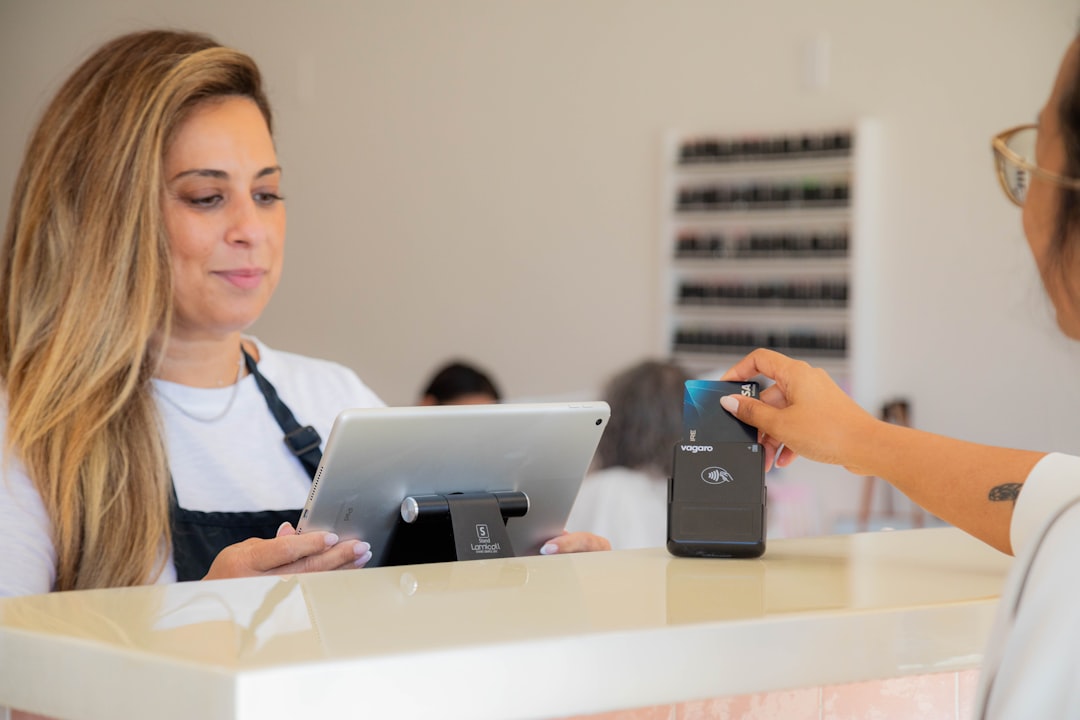
Fifty-five percent of shoppers say one bad payment experience is enough to walk away from a local business. Here is how to spot the slow terminal, the surprise fee, and the quiet seconds at checkout that cost you regulars, with a ten-minute weekly check that catches them before they do.
Read more
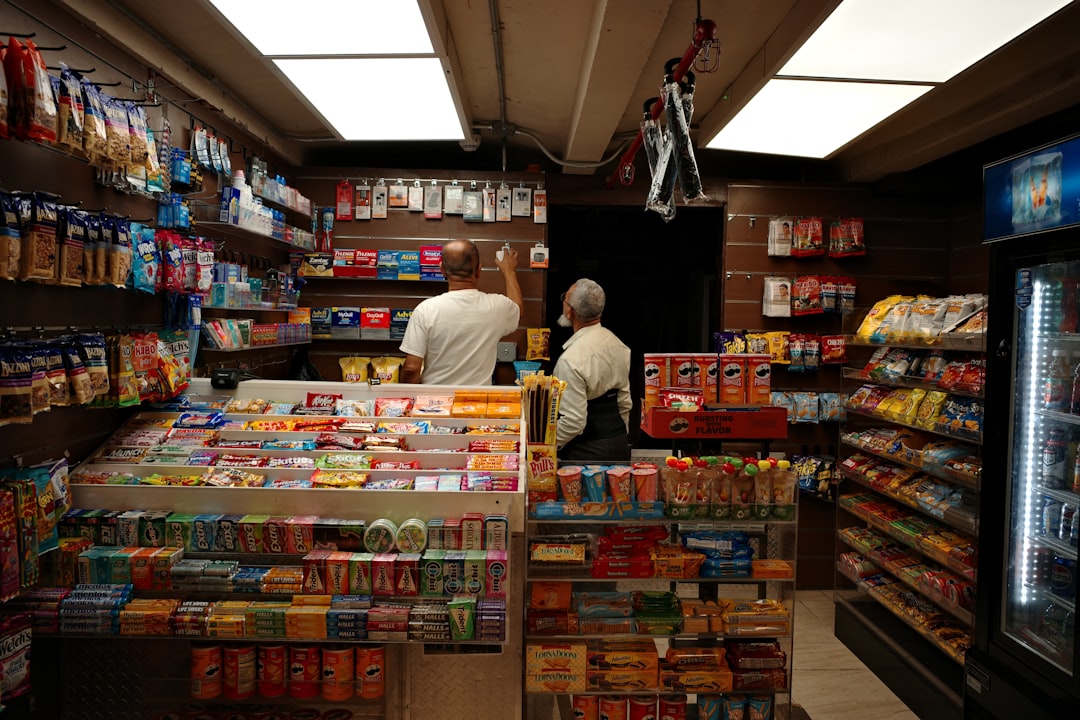
The check with an automatic 18 percent line just became a tax document, and most restaurant receipts are labeled wrong.

Read more
A short outage can still break service fast. Set a ten-minute payment drill with clear lanes, fallback rules, and a reconciliation pause so your team keeps moving through the rush.
Read more
A clean closeout does not come from one report. It comes from lining up sales, payments, and stock movement in one short cross-check that shows where data drift begins and who can fix it. Small teams can run it in a few minutes and stop surprises from stacking up overnight.
Read more
A busy team can have one menu and still run three different operations if nobody owns the handoff. Build a practical routine that keeps menu promises, substitutions, and pricing aligned from shift to shift.
Read more
When a discount campaign is active but margins still feel off, the leak is often in the way each sale is recorded. Use this routine to keep promotional promises clear for customers and measurable for owners in under a lunch break.
Read more
A pickup promise and a walk-in sale can look like a normal line delay, until both channels promise the same item. This practical routine helps small retailers keep inventory promises reliable by reducing channel drift before guests notice. It uses a shared state, short reservation checks, and a cleaner handoff flow.
Read more
At 8:10 p.m. on a busy shift, one repeat complaint can reveal a bigger pattern. A short, practical POS cleanup loop catches what keeps returning to the front line and puts ownership on a real person before the next shift starts.
Read more
A last-minute absence can stretch a smooth shift into confusion in minutes. This plan shows how to keep checkout flow, exceptions, and closeout tasks stable with clear ownership and a practiced fallback map.
Read more
Small teams often panic, silence, and then ignore alerts when an AI system starts flagging everything. A practical ownership ladder keeps action focused, so staff can handle real customer-impacting exceptions while background noise is documented and reviewed later.
Read more
Recipe substitutions are often invisible while the room is full, yet they can quietly pull margin down. Use three POS fields, a short shift check, and guest communication rules to catch recipe drift before it becomes a full-service problem.
Read more
Most opening problems happen before the first order is entered. This routine gives a small team a practical first-hour sequence for device access, routing, payout checks, and fallback handling so service begins with fewer surprises.
Read more
Teams can spend half a shift solving the same small POS issues over and over. A one-page POS exception board gives everyone one place to record, own, and close the issues that actually repeat, so closeout gets faster and less stressful.
Read more
When a POS outage hits during service, your team needs a clear 30-minute playbook, not panic. This guide walks through exactly what to do, who does what, and how to keep guest trust, order accuracy, and closing numbers in balance.
Read more
At 7:18 p.m. on a busy shift, a terminal crash can stall every lane. This guide gives restaurant teams a practical outage plan for the first half hour: role assignments, guest communication, secure backup collection, and closeout recovery that prevents lost revenue and trust.
Read more
A short open-to-close terminal sweep helps teams catch tampering signs, unusual reversals, and process drift before guests notice. This routine is quick, practical, and designed to fit small-team rhythms.
Read more
A short end-of-shift stock confidence routine catches recipe-level drift, substitutions, and silent shortages before they become a guest-facing problem.
Read more
Most teams make every failed card feel the same. A simple triage flow for payment declines lets staff respond fast, avoid repeat mistakes, and keep customer trust from leaking at the register.
Read more
Small teams lose service speed when a checkout slowdown creeps up quietly. This 12-minute warning routine gives staff a direct way to spot hidden lag early, separate the likely cause, and recover without spreading frustration across the whole shift.
Read more
Most margin leaks happen right as one shift ends and another starts. A clear, ten-minute handoff routine can protect service speed, staffing trust, and closeout accuracy without adding another checklist nobody reads.
Read more
A short payout drift routine can protect nightly margin. Run a 10-minute closeout audit that checks tips, reversals, discounts, and processor payout in one pass before you hand off cash or close the books.
Read more
A short post-shift review using just checkout flow, guest notes, and one repeat complaint pattern can uncover a practical fix before tomorrow's opening.
Read more
At the shift between lunch and evening, small teams can catch operational drift before it becomes a late closeout by checking labor, stock confidence, and payment exceptions in one short scorecard.
Read more
Small teams usually notice problems after customers are already waiting. A disciplined 20-minute AI sanity check catches early warnings in sales, stock movement, and payments, so small operators can fix drift before it hits peak hours.
Read more
When a tap-to-pay or card entry fails during a busy shift, teams can lose flow in seconds. This routine gives your staff one shared exception flow, from recognition to fallback payment and closeout, so service stays calm, queues keep moving, and end-of-day totals stay clean.
Read more
One lane dropping during rush can create silent confusion. A split-check continuity plan keeps each order traceable, protects guest trust, and gives your closeout team a clean trail of ownership.
Read more
Peak service hides the small details, and guest allergy notes can vanish between team handoffs. This routine makes each note stay visible, confirmed, and acted on from the first order to closing checks.
Read more
A short terminal recovery drill gives small teams clear roles, recovery steps, and a final reconciliation pass when a register drops during a rush.
Read more
A short weekly POS routine can turn sales, labor, and inventory patterns into a practical forecast, so teams can reduce surprises before the next busy shift even when things looked fine in day-to-day dashboards.
Read more
A spike across in-store, pickup, and online orders creates many urgent exceptions, but a shared triage process can keep service clear and revenue safe. Here is a workable way to assign ownership, route issues, and keep your team moving.
Read more
A 10-minute opening routine can prevent stock drift before lunch rush, helping teams catch shortages, bad handoffs, and substitutions before guests feel the impact.
Read more
A small, consistent exception dashboard can save a Friday shift by catching payment, stock, and service issues before they stretch into long waits and late closeout stress.
Read more
Contactless taps can save minutes at checkout, but only if your team has a short guardrail routine for failed taps, security checks, and lane flow when demand spikes.
Read more
One coordinated pause can steady a packed checkout line, protect staff focus, and keep guest experience from unraveling during a sudden rush-hour surge.
Read more
When a supplier shipment is late, your opening shift can still stay on schedule if the team uses a clear recovery script with owners, timing, and fallback stock decisions.
Read more
A short pre-open volatility check can prevent missing prep, stock, and staffing risks before your first wave of guests turns uncertainty into a longer shift.
Read more
A one-off network failure can turn a good team into a guess team unless staff follow a short offline closeout plan and a fast reconciliation routine.
Read more
A payment alert during peak service can be handled quickly when every shift uses one evidence-first routine.
Read more
When one terminal drops and another lane keeps taking orders, a short AI-ready checklist can keep your team in control through the middle of rush-hour noise.
Read more
Sudden checkout outages can turn a normal closeout into a long evening, so teams need a short, repeatable recovery plan that preserves control and trust.
Read more
Every Friday lunch shift can reveal a single ingredient mismatch that slows both pickup and delivery, so a quick in-store versus delivery inventory sync keeps stock flow honest and guests moving in real time.
Read more
A ten-minute AI-assisted closeout review can turn end-of-day POS noise into a practical to-do list for the next shift, even when your team is short-handed.
Read more
A 15-minute morning routine can catch payment, stock, and setup surprises before guests reach your checkout line. This short stack keeps shifts aligned from opening bell to first rush.
Read more
Run a short pre-rush resilience drill so your team can keep serving guests when the POS stalls, connectivity drops, or payments get messy during a busy shift.
Read more
One payment clarification habit at checkout can prevent expensive disputes and close-of-day surprises without adding friction.
Read more
A short receipt reminder can guide a return visit, but it works best when the message is useful and not pushy.
Read more
A single lunch-hour menu switch can quietly break speed and trust if the clock, stock, and register are not updated together.
Read more
Three customers in one minute can hand over cash, card, and phone payments in quick succession. A steady payment rhythm keeps the line moving, protects customer trust, and saves your staff from tiny checkout panics.
Read more
When your team runs out of a busy item, this practical substitute plan keeps checkout moving, protects service quality, and gives your next restock cycle clearer signals.
Read more
When the same return repeats, a tiny pattern can drain cash, staff confidence, and customer trust. A short weekly review turns those repeat slips into a cleaner checkout workflow and a safer margin habit.
Read more
Regulars notice when your team remembers what matters to them. A short, permission based note at checkout can replace repeat questions, keep service smooth, and build trust without turning your POS flow into a bureaucracy.
Read more
A slow post-lunch window is the perfect time to run four tiny POS checks. Do them before the rush to reduce missed items, discount mix-ups, and handoff confusion without turning operations into a big software project.
Read more
The counter tablet changes hands all day, and the team can lose track of who did what. A simple sign-out habit can keep shifts accountable, reduce refund arguments, and make your end-of-day close cleaner.
Read more
A tiny payment gap near close can turn a quiet shift into a mystery for the next manager. This short check keeps cash, card, and notes in one story before the store is locked up.
Read more
Most counters feel fine at the start and then hit two short windows where everything slows down at once. A quick review of POS timestamps shows exactly where to focus staff, prep, and communication so the rest of the day stays calm.
Read more
Managers save everyone time when permission boundaries are clear: refunds, voids, and discounts stay fast, but only when rules are known and approvals are consistent.
Read more
That 9:47 p.m. receipt can reveal a system gap faster than a full post-shift meeting if your team writes down the right odd transaction details and follows one short routine.
Read more
A school game, street fair, or rainy lunch crowd can empty your most-used items fast. A 10 minute pre-event stock check keeps shelves ready and teams calm when demand spikes suddenly.
Read more
Weekend sales move fast when discounts, stock limits, and substitutions are not checked before opening. This setup gives your team one path to follow so the first promotion order stays smooth and accurate.
Read more
Menu modifiers that are unclear at rush hour cost cashiers time, create remakes, and slow down happy customers. A quick pre-rush cleanup can make each order easier to process with less stress.
Read more
Pickup labels look small, but they can be the difference between one happy guest and a day full of corrected orders.
Read more
A short POS follow-up ritual can help small teams ask the right next question without sounding pushy.
Read more
A quiet Friday sweep now gives your team a weekend-ready inventory plan before rush hour surprises start.
Read more
Before the line grows long, a short recovery drill keeps your checkout team calm and accurate.
Read more
Fresh shifts run smoother when closing notes record today's stock issues, payment hiccups, and customer requests before anyone relies on memory.
Read more
Most slow lines start with one tiny POS item issue, so this 10 minute morning check helps small teams find pricing, barcode, and modifier mistakes before customers are waiting.
Read more
Sales mix review makes prep decisions easier, especially when demand shifts by daypart and no one can keep it in memory all week.
Read more
Busy shifts stay steady when POS access rights are clear, role-based, and reviewed before opening.
Read more
A busy checkout becomes easier when prompts help staff catch useful follow-up details without slowing the line or making customers feel rushed.
Read more
Charge questions get easier to answer when receipts, refund reasons, discount notes, and manager reviews tell the same plain story.
Read more
Quiet counter time is perfect for checking odd tickets, tender notes, discounts, and item mistakes before they grow into month-end confusion.
Read more
Weekend rushes expose messy item records fast. Use this Friday SKU audit to catch barcode, price, tax, variant, and modifier issues before customers are waiting.
Read more
Your slow Tuesday and frantic Friday are probably trying to tell you something, and a short weekly POS review can help the schedule listen.
Read more
Ten quiet minutes before the rush can turn odd refunds, voids, discounts, and drawer notes into fixable little stories instead of closing-time mysteries.
Read more
Discounts can fill a line at the register while quietly squeezing cash, so give every sale a short POS margin check before the signs go up.
Read more
Messy register screens quietly slow the line, confuse new cashiers, and turn simple orders into a tiny button hunt nobody asked to play.
Read more
The labels are straight. And somehow, week after week, the same three items keep staring back like tiny ceramic owls judging everyone who walks by.
Read more
A vendor price change rarely arrives with a brass band. It usually shows up as a quiet line on an invoice, a rep saying, 'This went up a little,' or a box of pastries that costs more than it did last week.
Read more
Every shop has a spot where paid holds, pickup orders, special requests, and little bags with sticky notes try to become invisible.
Read more
A cashier sees the last two jars of hot honey leave the shelf during the lunch rush. One customer grabs one for a gift basket.
Read more
The line moved. Nobody had to crawl under the counter to reboot a card reader, which always feels like a small holiday.
Read more
Every restaurant has a few tiny buttons that behave like raccoons in the pantry. They look harmless.
Read more
Every busy counter has a few little moments that do not fit the happy path. A customer brings back an item without the receipt.
Read more
The line is only three people deep, but it feels like twenty. A regular customer is smiling at the counter with a coupon screenshot on their phone.
Read more
A return can look tiny from the outside. One customer, one receipt, one item coming back across the counter.
Read more
Closing time has a special talent for making tiny problems look harmless. The last customer leaves, the mop bucket comes out, someone asks where the tape is, and suddenly the cash drawer is short by seven dollars and...
Read more
A comprehensive guide to planning, executing and analysing seasonal displays, so retail owners can drive demand and reduce excess stock.
Read more
Learn how to use your sales data to reveal hidden opportunities, optimise pricing, and boost revenue.
Read more
Bundle products or services in a way that delivers clear value and drives both revenue and customer satisfaction.
Read more
Landscapers: build recurring income with tiered seasonal packages and smarter team scheduling.
Read more
Use dynamic pricing pulses to influence customer behavior and stabilise cash flow.
Read more
Increase foot traffic and credibility by mastering local SEO, Google My Business, and strategic review management.
Read more
Fill your calendar during off-peak times by hosting engaging in-person events that drive foot traffic and sales.
Read more
Discover collaborative marketing and service ideas that boost awareness and revenue in your community.
Read more
Leverage reviews, testimonials, and user-generated content to build credibility and drive conversions.
Read more
Deliver a seamless experience across online, mobile, and in-person, without complexity.
Read more
Learn how to collect, analyze, and apply sales and customer data so you can make smarter, faster decisions, even as a one-person team.
Read more
Master storytelling: show customers how your product or service solves their problems, leading to faster, higher-value sales.
Read more
Streamline the onboarding experience to reduce drop-offs, build instant trust, and set up long-term customer relationships.
Read more
Stop chasing payments. Automate billing cycles, reminders, and recurring charges so you always stay ahead.
Read more
Save time, cut errors, and delight your customers by automating repetitive tasks, starting from your POS system.
Read more
Auto shop owners: use check-ins, inspections, and automated reminders to boost shop efficiency and customer satisfaction.
Read more
Pet-care pros: manage client bookings, walk assignments, and payment, and delight both owners and pets.
Read more
Let your customers order on the go and pay directly from their phones, boosting speed, accuracy, and sales.
Read more
Event planners: streamline inquiry, booking, and payment with digital workflows tied to your POS, no more spreadsheets.
Read more
Thinking of opening locations? Learn how to document your systems as franchise-ready 'playbooks' and scale without compromise.
Read more
Discover the hiring and management strategies that keep good employees around longer and improve team culture.
Read more
Farmers: manage farmers market orders, CSA memberships, and inventory tracking with integrated POS workflows.
Read more
Food truck owners: streamline operations during busy hours and increase throughput using mobile POS tools.
Read more
Discover how mapping out every step in your business operations uncovers inefficiencies, boosts productivity, and improves customer satisfaction.
Read more
Mobile hair, spa, and beauty pros: manage appointments, travel time, and invoicing, ensuring happy clients and a full schedule.
Read more
Gym owners: manage classes, memberships, and resources using data-driven scheduling and automation.
Read more
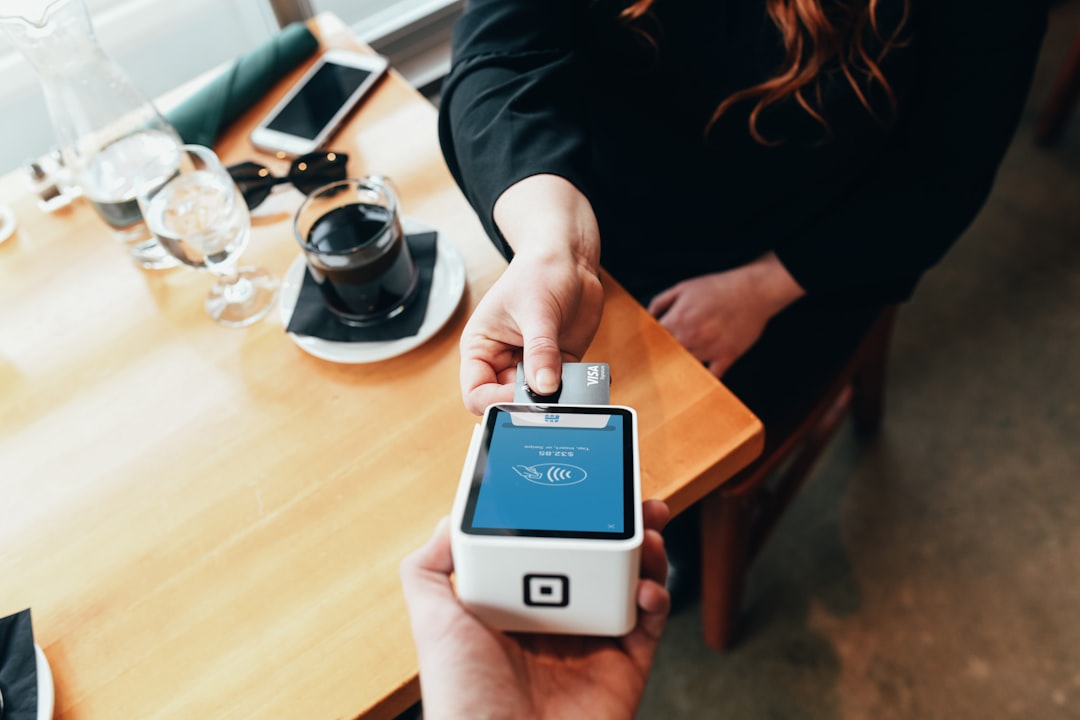
Embrace fast, secure payments to speed checkouts, reduce friction, and support hygienic service, a must in today's world.
Read more
Stop relying on bland bonuses. Discover ways to inspire your staff with goals they care about, and track them easily with your POS.
Read more
Learn to use spare space, time, or content to generate revenue streams that complement your core business.
Read more
Learn pricing strategies, from charm pricing to price anchoring, that nudge customers toward higher-value purchases.
Read more
Learn easy ways to track your expenses, reduce waste, and protect profits, without cutting corners on quality.
Read more
Learn how to gain real-time control over your inventory to reduce waste, prevent stockouts, and grow your business effectively.
Read more
A step-by-step approach for restaurant owners to redesign their menu strategically, improving profitability, streamlining operations, and delighting diners.
Read more
Brewery owners: combine taproom sales, tour scheduling, and ticketed events with POS data to maximise revenue.
Read more
Tour operators: organise tickets, capacity, upsells, and group scheduling with an integrated POS framework.
Read more
Explore AI-powered solutions, from chatbots to inventory forecasting, designed to streamline operations and boost revenue.
Read more
Use your POS data to identify what's most popular, and expand around it to grow your business sustainably.
Read more
Turn every customer interaction, good or bad, into fuel for service upgrades, product improvements, and higher retention.
Read more
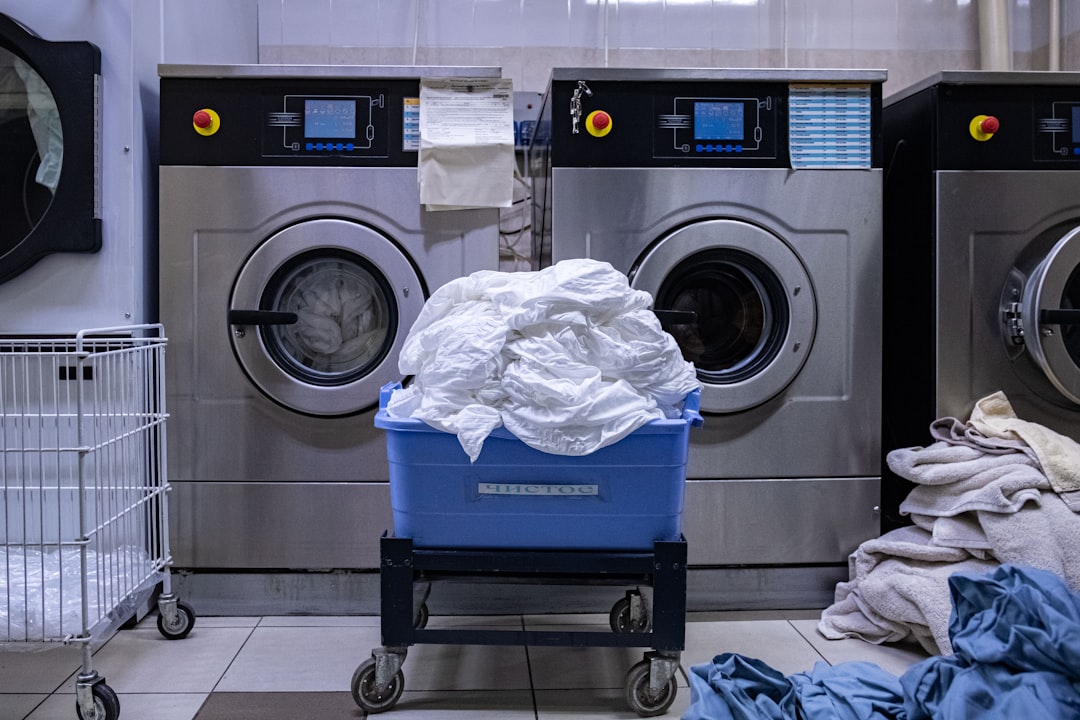
Laundry service owners: set up pickup scheduling, recurring subscriptions, and efficient order tracking using POS workflows.
Read more
Pet salon owners: offer thoughtful services and product recommendations that owners love, and pay for.
Read more
Collaborate with complementary local businesses to drive foot traffic and mutual growth, even without big budgets.
Read more
Boost your bottom line by training your team to sell smarter, upsell naturally, and deliver consistent service.
Read moreRetailers or food businesses: learn how tracking ingredients down to ounces saves money, reduces waste, and drives profits.
Read more
Learn to collect feedback right after service and quickly adapt, so you can turn good experiences into great ones.
Read more
Auto repair shops: learn how to balance workflow, parts inventory, and billing to improve cashflow and satisfy customers.
Read more
Drive bigger purchases through flexible, small-scale financing options that customers appreciate, and your cash flow loves.
Read more
Learn how small businesses can use affordable online tactics to convert casual browsers into loyal buyers, all seamlessly managed with your POS.
Read more
Use scarcity and excitement to drive short-term buzz and boost revenue.
Read more
Transform your team into vocal advocates who enhance your brand, drive word-of-mouth, and contribute to your business's success.
Read more
Your first core team sets your culture, get hiring, onboarding, and retention right from day one.
Read more
Education professionals: structure sessions, packages, and billing to attract more students and boost retention.
Read more
Freelancers and consultants: move away from hourly billing by packaging your expertise into clear, high-value offers.
Read more
Cosmetology owners: create add-on services that clients actually want, and improve satisfaction at the same time.
Read more
Landlords: learn how to streamline rent collection, communication, and maintenance using smart tools to keep tenants longer.
Read more
Build a smoother, more efficient team culture with clear shift processes, better tools, and recognition systems.
Read more
Simple post-purchase surveys can turn feedback into improvement, and drive loyalty and repeat business.
Read more
Art instructors and makers: streamline studio bookings, ticketed classes, and supply costs all through your POS.
Read moreSpa owners: learn to craft service bundles, create membership tiers, and track client engagement to boost loyalty and profitability.
Read more
Boutique store owners: Learn to curate collections that resonate and use seasonal launches to drive foot traffic, and online sales.
Read more
Discover how creating tight-knit customer communities can increase loyalty, referrals, and lifetime value.
Read more
Reduce wait times, boost order accuracy, and free staff by deploying self-serve kiosks synced to your POS.
Read more
Build a repeatable, remarkable experience for every customer, mapping service flow, personalisation, and post-sales care.
Read more
Learn how to create a neighborhood-focused loyalty program that boosts repeat business, not just points stacking.
Read more
Recover lost sales by letting customers save items, and reminding them when they show interest.
Read more
Explore innovative pricing models that can help your small business grow profits without alienating customers.
Read more
Enhance your referral program by introducing smart incentives, tracking rewards, and celebrating ambassadorship.
Read more
Cleaning service owners: create value with recurring bundles, add-on services, and automated scheduling.
Read more
For café owners: streamline processes, reduce waste, and serve more customers with less stress.
Read more
Vet clinics: streamline appointment scheduling, patient records, follow-up reminders, and invoicing, all through your POS system.
Read more
Celebrate customer milestones, like purchase anniversaries and referral counts, to deepen relationships and drive repeat business.
Read more
Learn how to enhance core offerings with add-on services that improve customer experience, and your margins.
Read more
Yoga studio owners: create membership tiers, manage attendance, and offer class package systems to grow your community.
Read more
Discover the essential apps every entrepreneur needs, from accounting and scheduling to automations, and learn how your POS ties it all together.
Read more
Bakers: manage ingredient costs and avoid overproduction by encouraging pre-orders and bundling specials.
Read more
Learn how to schedule and automate your social content to stay top-of-mind without the daily grind.
Read more
Cut hours of manual work with task automation, putting your focus back on customers and growth, not admin.
Read more
Master inventory management to reduce costs, avoid stockouts, and increase turnover.
Read more
Slash overhead costs and protect your bottom line with clever strategies, without sacrificing quality.
Read more
Boost engagement, sales, and loyalty with easy-to-implement email strategies.
Read more
From menus to reviews, QR code hacks that can save time, reduce costs, and delight customers.
Read more
Get more done with these practical tools and habits that streamline your workflows.
Read more
Increase repeat business with creative perks beyond standard loyalty points.
Read more
Unlock customers as brand ambassadors with a simple, trackable and rewarding referral strategy.
Read more
Learn advanced pricing techniques, dynamic pricing, tier shifts, and value ladders, to optimise profit without alienating customers.
Read more
Practical ways for small store owners to use AI in POS without losing control or creating new headaches.
Read more
Efficiently manage email, SMS, social, and in-store campaigns from a central spot to reach customers everywhere.
Read more
Use May as a reset point to tighten counts, clear stale stock, and prepare your best-sellers before seasonal demand picks up.
Read more
Automated reminders, deposits, and follow-up workflows help service businesses reduce no-shows and keep the day profitable.
Read more
Small retail teams can speed up checkout, reduce line abandonment, and keep sales moving with a few POS-backed workflow fixes.
Read more