

It writes the day's summary, drafts the restock note, and sends the customer follow-up before your coffee cools. The part that still needs you is the one where a wrong number reaches a real person.
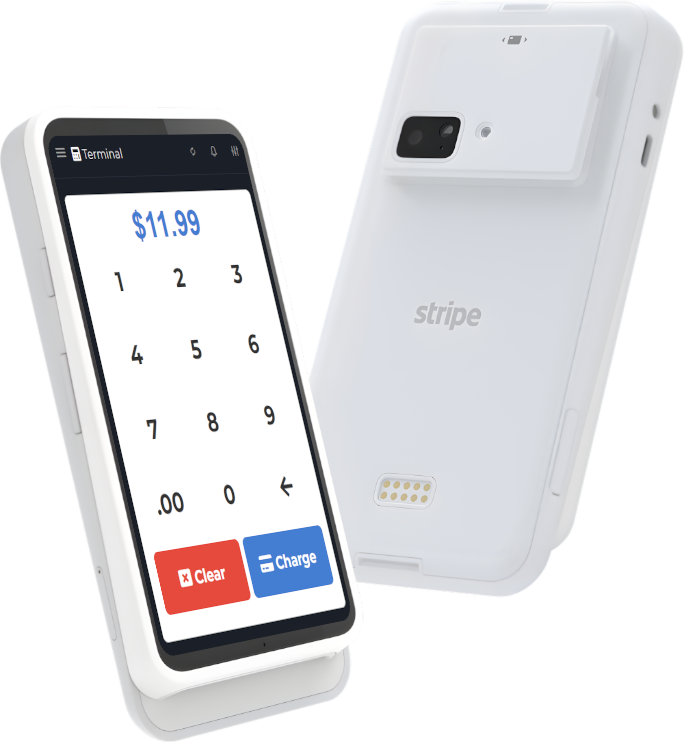
By the time you finish typing the date into the closeout screen, the register has already printed the day's summary for you. Sales by hour, the two items that sold out, the customer who asked for the oat milk again, and a short note suggesting how many loaves of bread you should order tomorrow. You read it while the last two tables clear their plates, and before you are ready, the whole evening is reduced to nine lines of text.
Ninety seconds, tops. That is the part of POS AI that gets the demos and the screenshots. The part that decides whether your closing report actually helps you is quieter, and it is where I would spend my time if I owned your counter: the ninety-second read between the AI's draft and the moment you decide to trust it, or send it, or fix it first.
Here is the setup. Your register keeps the numbers: what sold, when it sold, who paid how, and what is left on the shelf. An AI layer on top of those numbers can turn the raw log into a person-readable summary. It does not guess from nothing. It reads your own day. What it cannot do, at least not well, is tell you whether that day was typical. It does not know that the Saturday drop you are staring at happened because the bakery next door was closed, or that the spike in pastry sales comes from one regular who works two shifts at once. The machine sees the number. You see the reason behind it, and the reason is the part a wrong number would quietly overwrite.
What the ninety seconds actually contains
Let's be concrete about what you are reading when the summary comes up, because the review habit only works if you know what to look at. A daily closeout brief like this usually carries four things:
- A sales read: what the day did compared with the week, in plain language.
- Stock flags: items that sold out, items that sat untouched, and a suggested restock number.
- Customer notes: repeat requests, complaints that came in more than once, and orders that were modified at the counter.
- A short recommendation: what the AI would do tomorrow, phrased as a sentence you can send to a supplier or paste into your own notes.
Notice what that list is. It is a draft with your name on it, not a verdict. The first three items are facts pulled from your register, and they are almost always right, because they came from your own transactions. The fourth item is where the AI starts making a call, and a call is only as good as the context it did not have. That gap, not the speed, is the whole story of whether this tool earns its place at your counter.
The restock number that looked right
Here is a true-ish story, the kind I have heard from more than one owner, because the setup is so common it happens on a schedule.
A small cafe runs its morning numbers from the closeout brief. One Tuesday the AI drafts the restock note with a confident sentence: pastry sales are down 40 percent versus last week, so cut the morning order to half. The owner is in a hurry, the note is specific, the math looks clean, and the note goes straight to the baker. The catch: last Tuesday's register had been in offline mode for two hours, and the batch that finally uploaded arrived on Wednesday morning, double-logging a block of breakfast sales. The AI read the inflated baseline, compared it against a normal Tuesday, and did the arithmetic perfectly on a broken number.
Half a morning's order. Two days later the cafe is out of its best-seller during the hour that pays the rent. Nobody did anything stupid. The summary was accurate, the math was correct, and the context that would have caught it (a bad upload) lived in a log nobody reads at 8 a.m. That is the one mistake I mean, and it is not a typo. It is forwarding. The moment the AI's sentence becomes a purchase order, an email, or a printed sheet on the bakery counter, the AI has stopped drafting and started deciding, and it did that without the one thing that would have saved the morning: a second look at the number behind the recommendation.
The ninety-second draft is a memo. The ninety-second send is a decision. Only one of those is safe to automate.
What a second look costs, and what it catches
The fix is not skepticism for its own sake. It is a tiny review step with a fixed scope, the kind of thing that takes two minutes at closeout. Three questions, in order, before anything the AI wrote leaves your counter:
First, where does the number come from? Not "what is the number," but "what did the register record that produced it." A thirty-second glance at the raw sales log answers it. Offline batches, voided tickets, and refunds all show up in the log and not in the summary, and they are exactly the events that bend a recommendation.
Second, is the baseline a normal day? Compare the AI's comparison target against something you remember from your own calendar. A public holiday, a closed competitor, a weather week, a staff gap. The AI does not keep your town's calendar, and it does not know which Tuesday was the one your register misbehaved.
Third, who is this sentence going to? A restock number is going to a human being who will buy real product with real money. A "customer asked for oat milk three times" note is low risk, because it is just facts. A "cut the order to half" sentence is high risk, because it is a call. Route your effort to the second kind.
Do this and the ninety seconds stops being a trap. The AI does the reading, the formatting, and the first draft, and you do the one thing no model can: check the number against the day you actually had. That division of labor is the whole trick. Skip it and you have handed your judgment to a summary. Keep it and you have hired the fastest clerk in your shop, the one that never forgets to check the receipts.
Where the review habit fits in your closeout
There is no extra software in any of this, and no new dashboard to learn. The habit lives in the two minutes you already spend finishing the closeout, and it changes what you do with the summary in front of you. The facts part of the brief goes into your notes as is. The recommendation part gets a quick pass through the three questions before it becomes anyone's to act on. If the register runs the summary for you and you are the one reading it, you are already running this loop; the only question is how hard you trust the sentence before it leaves the shop.
If you want the daily brief to start running itself, the register that writes it is the easy half. download M&M POS and set up the closeout summary on your next busy night. You will have the draft in ninety seconds, and the two-minute review will feel like the most profitable two minutes of the whole day.
Keep the AI doing the reading and the formatting. Keep yourself doing the check. The brief is ninety seconds long. The decision it leads to is worth a lot more, and the one mistake that undoes it is treating the draft like the answer. Read the number. Remember the day. Then let the machine have the rest of the closing.
Direct URL: https://mmpos.app/download