When POS AI alerts stop being useful
Small teams need a simple way to turn POS AI alerts into a short list of checks instead of a wall of warnings.
Read more

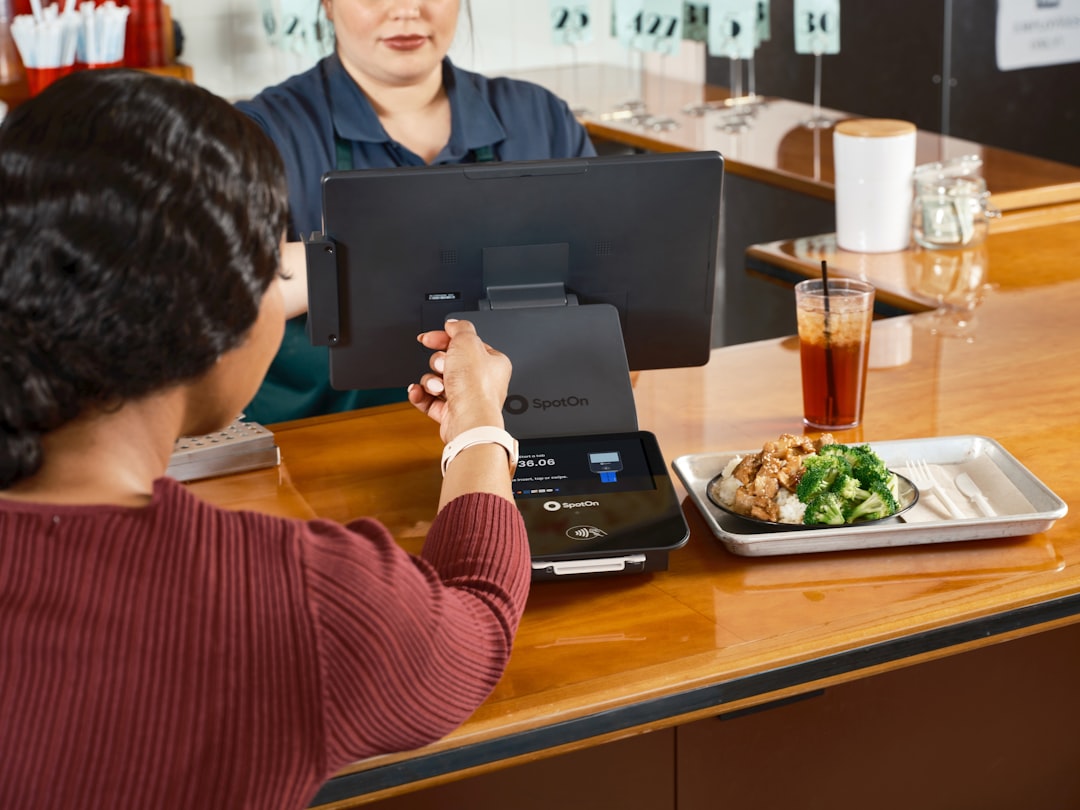
Small teams need a simple way to turn POS AI alerts into a short list of checks instead of a wall of warnings.
Read more

It writes the day's summary, drafts the restock note, and sends the customer follow-up before your coffee cools. The part that still needs you is the one where a wrong number reaches a real person.
Read more
Small teams often panic, silence, and then ignore alerts when an AI system starts flagging everything. A practical ownership ladder keeps action focused, so staff can handle real customer-impacting exceptions while background noise is documented and reviewed later.
Read more
Most teams make every failed card feel the same. A simple triage flow for payment declines lets staff respond fast, avoid repeat mistakes, and keep customer trust from leaking at the register.
Read more
Small teams lose service speed when a checkout slowdown creeps up quietly. This 12-minute warning routine gives staff a direct way to spot hidden lag early, separate the likely cause, and recover without spreading frustration across the whole shift.
Read more
Small teams usually notice problems after customers are already waiting. A disciplined 20-minute AI sanity check catches early warnings in sales, stock movement, and payments, so small operators can fix drift before it hits peak hours.
Read more
When a tap-to-pay or card entry fails during a busy shift, teams can lose flow in seconds. This routine gives your staff one shared exception flow, from recognition to fallback payment and closeout, so service stays calm, queues keep moving, and end-of-day totals stay clean.
Read more
A short weekly POS routine can turn sales, labor, and inventory patterns into a practical forecast, so teams can reduce surprises before the next busy shift even when things looked fine in day-to-day dashboards.
Read more
A spike across in-store, pickup, and online orders creates many urgent exceptions, but a shared triage process can keep service clear and revenue safe. Here is a workable way to assign ownership, route issues, and keep your team moving.
Read more
A busy checkout becomes easier when prompts help staff catch useful follow-up details without slowing the line or making customers feel rushed.
Read more
Your slow Tuesday and frantic Friday are probably trying to tell you something, and a short weekly POS review can help the schedule listen.
Read more
Practical ways for small store owners to use AI in POS without losing control or creating new headaches.
Read more