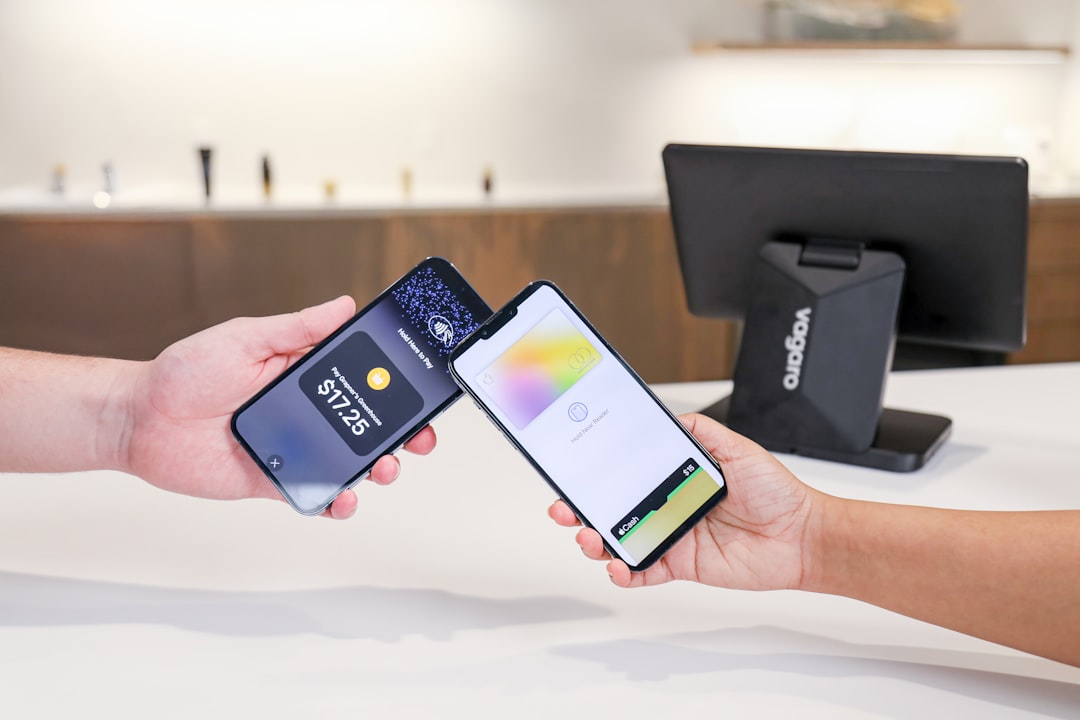
The line is only three people deep, but it feels like twenty. A regular customer is smiling at the counter with a coupon screenshot on their phone.
The line is only three people deep, but it feels like twenty. A regular customer is smiling at the counter with a coupon screenshot on their phone. The cashier is squinting at the tiny date in the corner. Someone in the back just shouted that the lunch rush is coming. This is the moment when a nice little promotion can turn into a small-business escape room.
Coupons are supposed to be friendly. They bring people in, reward regulars, help move slow stock, and make a slow Tuesday feel less like Tuesday is personally picking on you. The trouble starts when the rules live in five places: one email, one social post, one manager's memory, one sticky note, and one cashier who was not on shift when the idea was born.
A better promotion routine does not have to be fancy. It just has to be boring in the right places. Clear dates. Clear items. Clear override rules. A simple close-of-day review. Boring, in this case, is not an insult. Boring is how you keep a coupon from quietly eating the margin you were trying to protect.
Start with one job for the promotion
Before anyone names a code, prints a flyer, or posts the words "today only," decide what the promotion is supposed to do. One promotion can bring in first-time shoppers, fill a slow hour, introduce a new menu item, move seasonal inventory, or thank repeat customers. It should not try to do all of those at once unless your register has a tiny wizard living inside it. Most do not.
For example, a cafe might run a 2 PM pastry bundle because the morning case is still too full after lunch. A boutique might offer a first-visit coupon to email subscribers. A repair shop might give a small discount on an accessory when the customer buys a related service. Each one has a different goal, and that goal changes the rules you need at checkout.
If the goal is to move slow items, the coupon should not apply to the best sellers that would have sold anyway. If the goal is to bring in new customers, the team needs a polite way to handle regulars who ask for the same deal. If the goal is to fill a quiet window, the dates and times matter more than the slogan. "Save 10 percent" is not a plan. It is a starting whistle.
Write the rules before the first customer asks
The best time to decide a coupon rule is not while a customer is waiting with their card out. By then, everyone just wants the moment to end, and the easiest answer is usually, "Sure, go ahead." That answer may be perfectly fine once. It becomes expensive when it becomes the unofficial policy.
Create a one-page promotion note before launch. Keep it plain enough that a new cashier can understand it in two minutes. Include the promotion name, active dates, active times if they matter, eligible items or services, exclusions, whether it stacks with other offers, how returns are handled, and who can approve exceptions. If your team uses a shared POS routine, keep the note where staff already look during checkout or shift handoff.
Here is the heart of the checklist:
- Goal: What are we trying to encourage?
- Eligibility: Which items, services, locations, channels, or customer groups qualify?
- Timing: When does it start, and when does it really end?
- Stacking: Can it combine with sale prices, loyalty rewards, bundles, or staff discounts?
- Returns: What happens if a discounted item comes back?
- Overrides: Who can make an exception, and how should the reason be noted?
That last point matters because manual discounts are where good intentions go to wear a fake mustache. Some are helpful customer-service choices. Some are training gaps. Some are expired offers sneaking back in because a screenshot never gets tired. A simple override note helps the owner tell the difference later.
Make the cashier script human
Customers do not need a lecture about margin. They also do not need a cashier forced to improvise like they are on a game show with no prize money. Give the team a short, friendly script for the common moments.
For a code that has expired: "Let me check the promotion rules so I do not give you the wrong answer." For a coupon that does not apply to the item: "This one is for the regular-price items, but I can show you what it does work on." For a screenshot with no clear date: "I want to help if I can. I am going to ask the manager to confirm this one." Simple. Calm. Nobody has to become the coupon police with a tiny badge.
The script also protects the customer experience. A clear answer feels fair, even when it is not the answer the customer hoped for. A different answer from every cashier feels random, and random is where trust gets wobbly. Small teams win by being consistent enough that customers know what to expect.
Watch the few numbers that tell the story
A promotion is not finished when the last coupon is scanned. It is finished when someone looks at what happened. You do not need a giant dashboard with seventeen charts and a tiny confetti cannon. Start with a short close-of-day or end-of-week review.
Look at total discount dollars, number of discounted tickets, average ticket size, returned items tied to the offer, voids, manual overrides, and staff notes about customer confusion. If you sell physical products, also check whether the offer moved the items you meant to move or accidentally pulled demand away from higher-margin items. If you run a restaurant or service counter, look for bottlenecks: Did the promotion slow ordering because the rule was too hard to explain?
This is where a POS habit matters. Your POS routine should make the promotion easy to name, easy to review, and easy to retire when it is over. If the team has to remember which button meant which offer, future you will be annoyed. Future you already has enough to do, probably involving receipts and coffee.
Prevent the sneaky margin leaks
Most promotion problems are not dramatic. They are small, repeated, and quiet. A bundle applies to sale items when it should not. A first-visit code keeps getting used by regulars because no one wants the awkward conversation. A cashier fixes an unclear rule with a manual discount, then another cashier copies the habit. By the end of the week, nobody did anything wild, but the numbers look like someone left a window open during a storm.
To prevent that, keep one source of truth. Retire expired codes quickly. Do not let old flyers, old social posts, or old register notes hang around like ghosts with price tags. If an exception becomes common, update the rule or stop the offer. A promotion that needs constant rescuing is not a promotion; it is a tiny paperwork machine.
Also make returns boring. If a customer returns a discounted item, the refund should reflect what they paid, not the full original price. If a bundle is partly returned, decide ahead of time whether the remaining item still qualifies. These details feel small until the counter is busy and everyone is trying to do mental math while the receipt printer makes that little angry robot noise.
Use promotions to learn, not just sell
After each campaign, write a quick note: keep, change, or retire. Keep the offers that customers understood and staff could run without drama. Change the ones that had promise but needed clearer rules. Retire the ones that caused confusion, attracted the wrong behavior, or made your margin look like it went through a paper shredder.
If you are tightening up your checkout habits, it is also a good time to look at the tools your team uses every day. You can download M&M POS and explore how a modern POS routine can support cleaner counters, calmer decisions, and fewer end-of-day mysteries.
The best promotion is easy to explain
Small-business marketing does not need to be complicated to be smart. A coupon with plain rules, a human cashier script, and a simple review habit can do more good than a clever offer nobody can run consistently. The customer gets a fair experience. The team gets fewer awkward moments. The owner gets a clearer look at whether the campaign helped.
So before the next coupon goes live, teach the register the rules. Teach the team the script. Decide how the story will be reviewed after closing. Then let the promotion do its job without turning the counter into a negotiation booth. Your customers will appreciate the clarity, your staff will appreciate the backup, and your margins will appreciate not being treated like a snack tray.
If this kind of checkout routine would help your shop, you can download M&M POS and test it with your own setup.