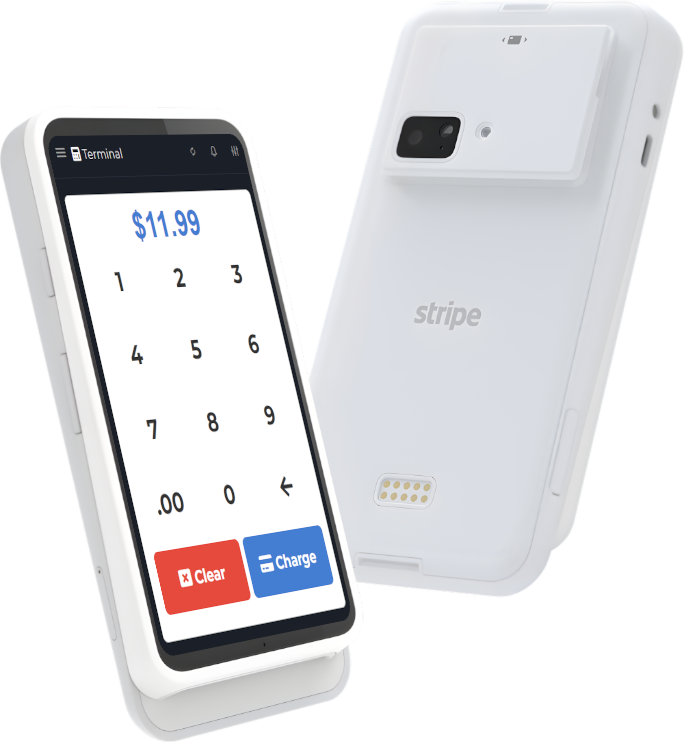


The empty floor at 2:30 on a Tuesday is not a mood. It is a line in the sales log, and the log is telling you where your money goes and where your people should actually be.
The shop floor is empty at 2:30 on a Tuesday. The music is on low, the till is quiet, and the person on the counter is mostly watching the door and wondering if the afternoon is going to happen. It is a scene any small business owner knows in their bones, and it is also the scene most owners have the worst idea about.
The register, of course, was paying attention the whole time. Every tap, every card, every item scanned is a line in a log that nobody reads until the end of the month. That log holds something worth looking at: the shape of when your business is actually alive. The slowest hours in it are not the boring leftover part of the data. They are the part that tells you what your store is, what it costs to be open, and where your money quietly goes.
What the slow hours are actually telling you
Here is the part that surprises most people. The register is not telling you whether you are doing something wrong. It is telling you when your business was real and when it was not, and whether the time you spend covering the quiet stretch is worth what comes back from it.
Every owner thinks they know their own slow hours. I would go so far as to say they know them the way you know the weather in a town you have lived in for years, without ever checking the forecast. The register disagrees. It counts transactions, hour by hour, day by day, without any feelings about your Saturday morning. It does not care that it rained for three hours or that the new cashier was nervous on their first shift. It just tallies.
That makes it a much more honest witness than memory. Memory is a storyteller. It keeps the rainy Saturday, the power blip, the weird month with the festival next door, and it smooths everything else into a general picture that feels true. The sales log is not trying to be true. It just is.
So before anyone makes a decision about hours, staff, or a new machine, the first job is to look at an entire month of sales, hour by hour and day by day. Not a snapshot. Not the busiest Saturday you can remember. A full month, because a month has every kind of day in it, including the ones that do not make a good story.
Once you have that, the trick is to look at the middle of the data, not the edges. Averages lie in both directions. They get pulled up by one wild Saturday and pulled down by a sick week. What you want is the ordinary day: the typical Tuesday, the regular Thursday, the unremarkable Saturday. That is the day your staff is paid to cover, and that is the day that decides whether a slow hour is a problem or just a fact of life.
And once you see the ordinary day, the slow hours stop being a mood and start being a map. Some windows are dead almost every day of the month. Some are fine in ways that are easy to miss, because the bad days are loud and the decent ones are quiet. The hours that look like problems on a gut feeling turn out, in the data, to be the ones that work. That flip is where most of the money is.
A shop that was running two hours a day it never used
Let me walk you through a real shape of problem, drawn from the kind of thing the register shows over and over. A small bakery, counter service, open eight in the morning to five. The owner runs it with two staff on the floor for most of the day, and she has always believed that ten to twelve on a Saturday is a slow stretch. She says it the way people say things that are obviously true, and she has staffed around it for two years. Fewer people in the morning, then everyone back by noon, because that is when the rush is supposed to be, and after the rush the afternoon dies.
So she looked at eight weeks of sales by hour. Here is what the register said.
- Saturday, ten to twelve: not slow at all. Roughly four times the sales of the two to four window, and the second strongest block of the whole day, right behind the morning coffee peak.
- Saturday, two to four: the actual dead window. A handful of sales in some weeks. In one week, seven transactions across two hours, which works out to less than a dollar a minute at her average ticket.
- Thursday and Friday afternoons: worse than she had assumed, and dead in the same two to four window every single week.
Read that again. The store was paying to have two people on the floor during its best afternoon slot, and it was paying the same two people to stand around during the slot that had the least business in the building. The staffing plan was built on a feeling, and the feeling was wrong in both directions at once, which is the classic way it goes. You remember the one Saturday when the morning felt dead, and you schedule the whole month around that one memory.
The fix was not dramatic. She moved one staff member's shift so the ten to twelve window was covered, and she cut the two to four coverage on Thursday and Friday to a single person plus a closed counter. Same building, same hours open to customers, fewer paid hours on the floor. The busy window got better service, which is exactly where you want the people. The dead window cost less. Nobody had to decide that the business was failing, and nobody had to fire anyone. The data just reallocated the people to where the customers were.
There is a second lesson in that story that is easier to miss. The owner's gut had been wrong about her own store for two years, and the numbers that disagreed with her were sitting in a report she already had. That is not a roast. That is how memory works. It keeps the vivid day and discards the quiet ones, and a store lives on the quiet ones. The register does not do that. It keeps everything, which is why it is the one you should trust when the two of them disagree.
Dead hours versus slow hours on purpose
Not every quiet hour is a waste. This is the part of the analysis that owners tend to rush, because the instinct is to look at any slow window and call it a loss. Sometimes a slow hour is load bearing. The quiet afternoon at the bakery is where the next day's bread gets mixed and proofed, where the shelves get rebuilt, where the person who will open on Friday can rest. A window that looks empty on the sales page is full of work that the sales page cannot see.
So the test is not simply whether the hour is slow. It is what that hour is for, and what it costs. Write the cost down the way the register would. What does a person on the floor in that window actually earn for the store? Not in revenue, because that is where it will look bad, but in what happens in the next two weeks because that hour was covered. If the answer is nothing, if you could close the counter for two hours and the month would end up in the same place, then the hour is dead and it is paying you in wages. If the answer is that the morning peak ran smoother because the afternoon was quiet, the hour is doing a job. Both answers are legitimate. They just lead to different staffing plans.
One more distinction helps. A dead hour is a stretch where customers simply are not there. A missed hour is a stretch where customers want to be there and something keeps them from the counter. The data cannot always tell you which one you have. But you can find out by watching for two weeks, which costs you nothing. A dead hour that turns out to be a missed hour is the cheapest upgrade in the business, because you are not changing anything except removing the thing that was getting in the way.
Change one thing at a time, then read the data again
The honest habit is also the unglamorous one. Look at a month. Make one change. Wait for the next month. Look again. The temptation is to do all the fixes at once, and the temptation is always the right instinct, because it feels like getting the job done. But if you change the staff plan, the menu, and the opening hours in the same month, the register will tell you the number moved and it will not tell you which change moved it. You have paid a month of real revenue to answer a question that three weeks of patience would have answered for free.
That is why the register is so useful as a partner in this work. It does not need you to trust a hunch. It needs you to trust one change at a time, and it will show you whether it worked, cleanly, in the next report. The store that does this every month is not the store with the best instincts. It is the store that stops making decisions on memory, and memory, as the owner of the bakery found out, is the least reliable employee on the floor.
You already have all of this in your register. The hour-by-hour view exists in every modern point of sale, and the numbers it produces have been sitting there since your first sale. The slow hours are not a mood you have to survive. They are a message you have to read, and once you have read them once, you will not look at an empty afternoon the same way. The till was talking all along. The next time you have a quiet Tuesday and a full one, open the report, read the shape of the month, and let the data say what your memory keeps insisting.
If you are running M&M POS, the hour-by-hour sales view is right there in the reports. If you have not tried it yet, you can download M&M POS and give the register a month to tell you what it has been trying to say.
Direct URL: https://mmpos.app/download