
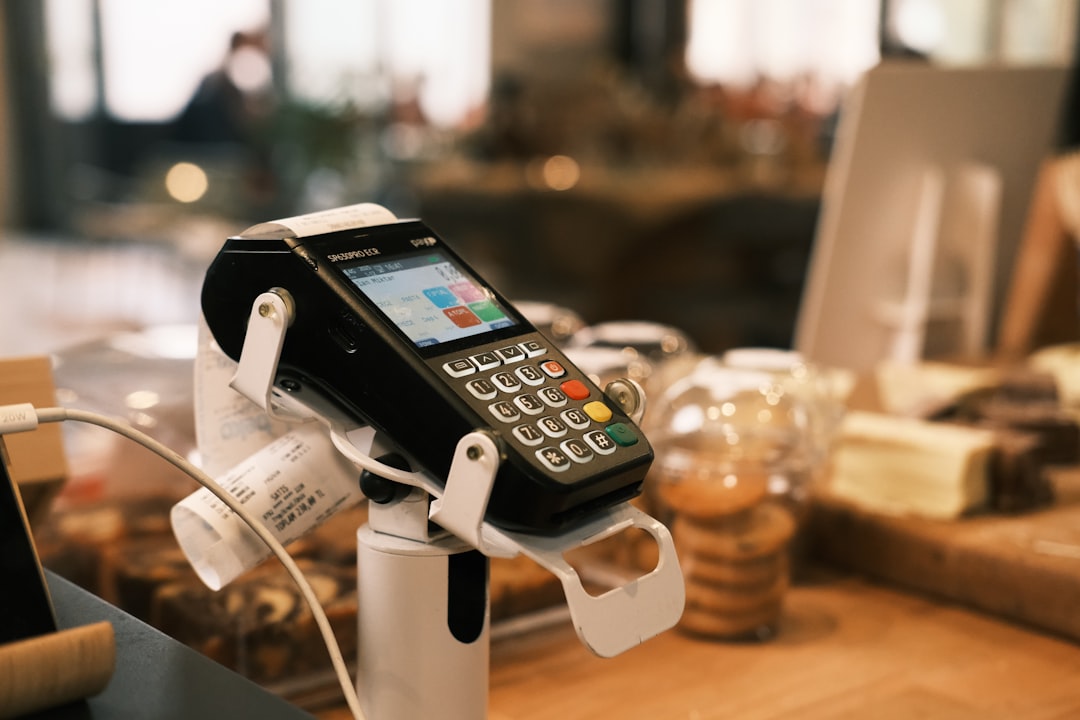
When your team runs out of a busy item, this practical substitute plan keeps checkout moving, protects service quality, and gives your next restock cycle clearer signals.
At 12:45 on a Thursday night, the line for checkout is already at the second register, and your team is trying to answer the same question three times: "Can I still get this item?" If the answer is no, the situation can either become a small conversation that solves a problem, or a small delay that tests every mood in line. A sold-out substitute plan protects the team from the second case.
A substitute plan is not limited to replacing product. It is about service consistency. It gives staff one confident path when stock is low: decide what you can suggest, train how to say it, and record what happened so tomorrow looks more like a plan and less like a guess.
Why sold-out moments fail when teams improvise
Most teams handle shortages only when the first customer is in front of the register. At that point there is pressure from the line, the printer, and the person asking. Under pressure, workers make the quickest offer they can think of, and that is often not the most reliable option. Sometimes they suggest a substitute that is missing too. Sometimes they promise one and later cancel. Sometimes they stay quiet while the customer walks away.
That pattern creates two expensive costs. First is customer friction, which is hard to measure but easy to hear from repeat feedback. Second is reporting noise. If one worker calls a missing item a void and another calls it a refund while a third swaps the transaction manually, your end-of-day stock math starts to lie.
A 10-minute setup that saves an hour of stress
You do not need a large process document for this to work. Start with a 10-minute pre-shift routine and keep it in one place. Here is what that routine looks like in practice:
- Step 1: Pick the top five items that usually sell out. Look at current best sellers and pick the ones most likely to trigger a substitute question. If a product has no practical alternative, skip it and focus on items with a real backup.
- Step 2: Assign approved alternatives. For each sell-out item, define one to three substitutes. Keep price changes simple. Decide who can offer each alternative and in what situations to avoid overpromising.
- Step 3: Write the exact one-line script. Include greeting line, two options, and a quick confirmation phrase. Keep that script visible to every register staff member.
When staff are not creating language in the moment, they are faster and calmer. That speed feels obvious to customers because they hear a clear option right away.
Retail example: candles, scents, and a line that still moves
In a small gift shop, a popular four ounce vanilla candle runs out at noon. The old routine is to shrug, suggest several options, and lose the detail. The planned substitute rule is different. The team uses a single approved substitute list: six ounce vanilla is too expensive for the same purchase, so the team offers a smaller unscented refill as a low-cost alternative or a four ounce citrus candle. If the customer wants the same fragrance feel, the cashier says: "The vanilla candle is sold out right now, but we can do the refill kit with a scent sample or the four ounce citrus option. Which one would you prefer?"
That script does two things. It gives the customer a choice, and it limits the options to what stock and margin can support. The cashier does not need to invent a new solution every time.
Restaurant example: toppings and sides with the same principle
The line is longer, and there is less patience for negotiations. In a counter kitchen, a topping can disappear from prep. The substitute plan says there is a menu-safe option ready for use, and the POS note is already prepared. A cashier can say, "That topping is out, and we have two good options available. I can move you to a similar one, or swap to the no-substitute version and keep the price." This avoids a pause where the customer and kitchen lose sync.
Use an actual item note in the POS and keep it short: substitute offered, customer agreed or declined, and reason. Your afternoon report becomes a source of truth, not a mystery.
POS entry habits that close the loop
Without the POS routine, substitutes stay in stories and disappear from inventory planning. With a simple entry habit, they become data. At the counter, add one of three quick notes:
- Offered and accepted: record what substitute went out and any price adjustment.
- Offered and declined: note the reason and whether the customer chose not to buy.
- Not offered: only if inventory confusion made the suggestion impossible, and then mark who was affected.
At this stage, do not overcomplicate the note fields. A small consistent set of fields is more useful than a long optional note that no one reads.
End-of-shift review that drives reordering
Most teams review cash drawers and discounts because they are mandatory. Add one more two-minute check for substitute events. Compare three numbers before close:
- How many times each sold-out item was requested.
- How often each substitute was accepted or declined.
- Whether substitutions delayed or sped up checkout service.
This is where the process pays off. If one item has repeated substitute requests, your reorder point is probably too low. If customers decline too often, your substitute list may be too weak for the product type. If queue time climbs on those moments, your team needs a shorter opening line and clearer script.
The practical shift from panic to routine
That substitute plan should feel like a team routine, not a policy binder. The team does not need to memorize a manual. They need one repeatable path that starts before the rush and stays visible until close. The first three wins are easy to track: fewer surprised moments at the register, clearer substitution choices, and cleaner reporting for tomorrow.
When a product is sold out, your team should not debate what to say. They should follow the plan and keep serving. If you are ready to test this in your store this week, you can download M&M POS and add your substitute flow where your morning setup and POS notes already live.