
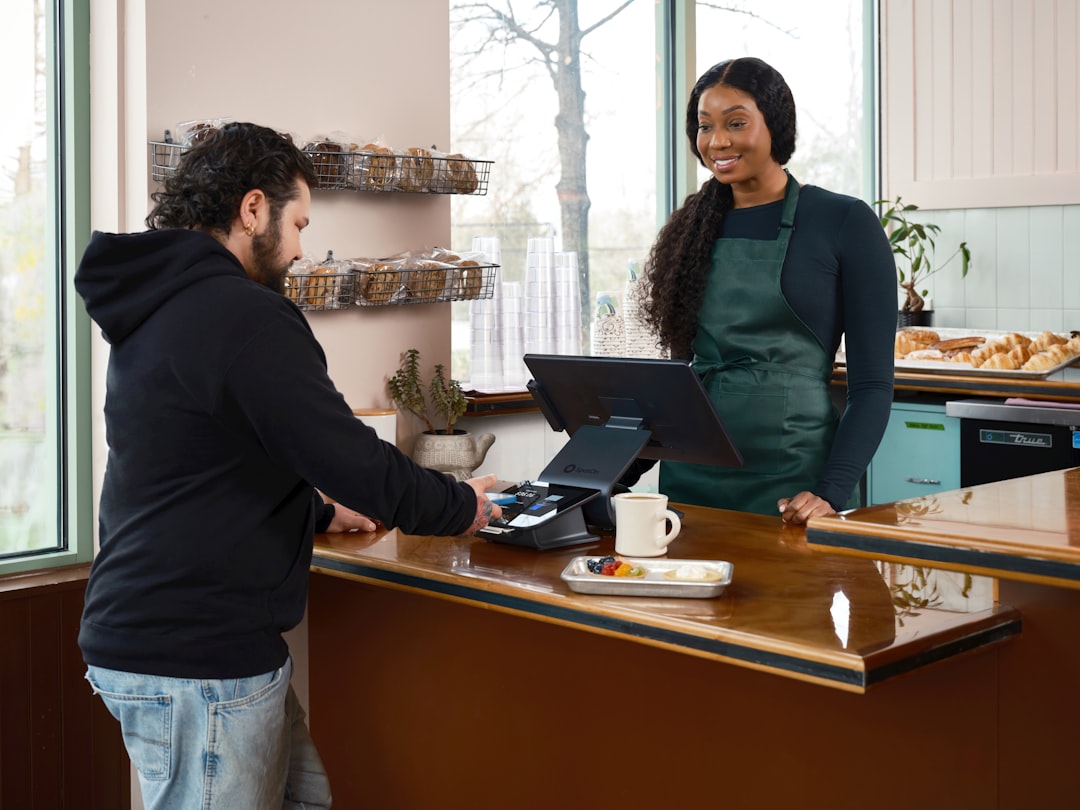
One coordinated pause can steady a packed checkout line, protect staff focus, and keep guest experience from unraveling during a sudden rush-hour surge.
At 12:31 p.m., a lunch rush starts with three large groups in the line, and one payment terminal locks for ten seconds. The register queue stretches, voices rise, and the crew does what teams often do under pressure: everyone tries to improvise at once. That is exactly when mistakes rise, not because the team is careless, but because no one is still working from a shared plan.
When surge pressure hits, speed is valuable. But speed without coordination is false speed. It feels fast for two minutes, then slows everything down. The team starts solving the same problem five times in five places. A checkout pause protocol is a short operational reset that gives the crew one shared decision for one short window, then returns full momentum.
The surge pause is not a shutdown
Most managers hear the word pause and think service must stop. A pause protocol is narrower than that. It is a 3 to 5 minute sequence during which roles are clarified, the queue is stabilized, and the team applies one temporary playbook. No extra promises are made to guests, no deep menu redesign happens, and no one tries to invent a new process on the fly.
In practice, the goal is simple. Reduce variation for one short burst, then restore normal pace quickly. Most of the damage in a rush happens in the first 90 seconds, before people stop reacting and start coordinating. A protocol gives them permission to coordinate.
How the 4-minute pause works
Pick one lead host for the line, and one backup host. Give each terminal a backup operator before the day starts. The protocol runs like this:
Minute 0 to 1: The line host announces one short status: what is blocked and what is still available. No long explanations, no side debates. A shared statement keeps the team from guessing.
Minute 1 to 2: Sales lead locks new add-on upsells. This keeps the order pipeline clean. The goal is fewer custom changes while a line rebuilds.
Minute 2 to 3: One person confirms payment lanes and split tabs. If one lane is unstable, route the next six to three lanes instead of trying to force all traffic through one lane.
Minute 3 to 4: A runner checks for visible pain points: one missing modifier, one wrong price note, or one printer lag pattern. Fix only those immediate blockers, then release the pause.
By minute 4, most teams can return to normal pace. The queue shortens because the team now has one map and one owner for the temporary changes.
What to say to guests without making promises you cannot keep
Guest communication matters during a surge, and it has to be honest and short. Do not use promises like "just two minutes" unless your team is sure. A better line is simple and safe:
"We are handling a short register alignment and we are still open. We will keep your order moving and call you if timing changes. Thank you for your patience."
That sentence is short. It sounds calm. It buys you trust without inventing a false deadline. You can make the same language available in one printed card near the front line so the host and floor staff use the same wording.
Where this protocol fits in day-to-day operations
The protocol should be documented for two situations, not one-off hero moments.
Open shift: Use it for vendor arrival uncertainty, rush timing mismatch, or one-lane slowdowns.
Mid-shift: Use it when walk-ins spike unexpectedly, online orders arrive ahead of pace, or modifiers stack up on one team member.
Many teams build a visual dashboard for this, but a simple paper card works just as well.
| Signal | Pause action |
|---|---|
| Queue feels too long and guests are waiting at one lane only | Restrict add-on questions and route overflow to open lanes |
| One terminal errors repeatedly for 2 minutes | Open backup terminal, reduce new modifiers for six tickets |
| Two staff are sending conflicting guest updates | Use one host sentence and mute all other verbal claims |
This table is not a hard law. It is a memory aid. Staff still need context, but they no longer need to invent a plan before every call.
Use AI and reporting without outsourcing judgment
AI is useful for this protocol if it works on two small jobs: spotting repeat bottlenecks and drafting short internal scripts. The most useful report is often plain: "What happened in each surge, where did the pause start, and what resolved it." If AI can generate that after the shift, the team can review trends without manual math.
Be careful with over-reliance. AI should suggest a better message, but a manager should approve any change that affects guest-facing promises. The protocol is strong because it compresses confusion, not because it hides decisions.
The same rhythm after the surge
Do not skip the first three minutes of the review. If you do, the protocol will feel random by next week.
Step A: log the exact surge cause.
Step B: keep one note on what changed first, and one note on what took the most time.
Step C: keep one permanent guardrail. Maybe that guardrail is "no add-on changes without confirmation" or "no menu substitutions without manager signal." Pick one, review it daily.
Teams who keep one guardrail improve quickly. They stop debating process every time and focus on execution. The protocol becomes a muscle. The guests do not notice the effort, only the steadier service.
A practical starting point
Most crews can start this today with one short board and one script. Write a four-minute protocol where it can be seen quickly. Add a backup host phone number and the exact guest sentence near the point-of-sale desk. Practice it in a 10-minute drill once a week, ideally on a calm day so no one learns under panic.
When the next midday surge hits, your team does not need a genius move. It needs a shared pause, one route for payment pressure, and one short line that keeps everyone honest.
If you want a practical way to standardize this routine and reduce rush-line volatility for good, you can download M&M POS and make the protocol repeatable across shifts.
Direct URL: https://mmpos.app/download