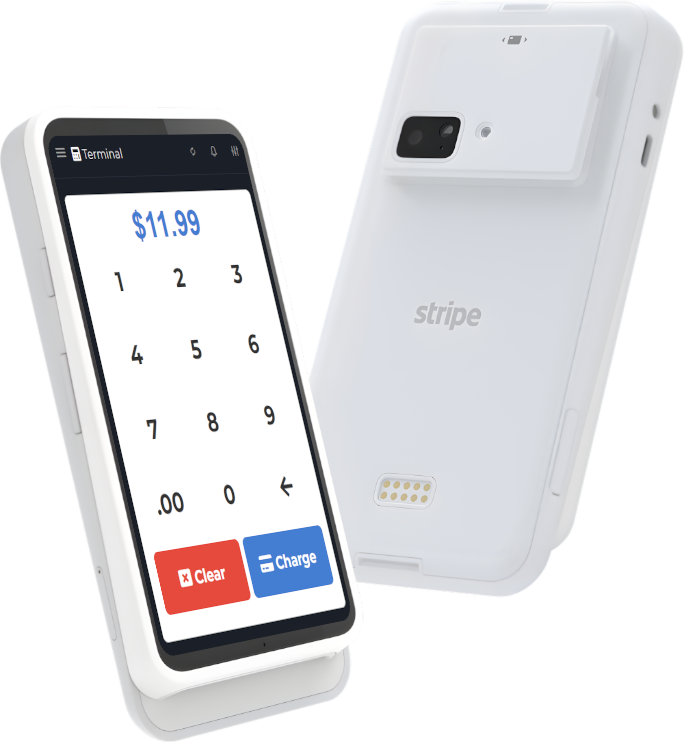


A short terminal recovery drill gives small teams clear roles, recovery steps, and a final reconciliation pass when a register drops during a rush.
At 6:58 on a Friday, the second counter at a busy lunch counter froze with a spinning icon. The line moved from five minutes to twenty in less than a minute, and guests started scanning the room like the team had forgotten how checkout works. This is when small teams usually lose time, composure, and trust.
A frozen terminal is rare for a minute, but chaos can last much longer. The device itself may be recoverable in 30 seconds, yet nobody moves correctly if nobody owns the moment. No one wants a fight over who should print receipts, who should keep taking orders, and who should tell the next guest what is happening.
Most teams assume this is a technology problem, but the bigger issue is usually a human process problem. If your team has not practiced a terminal recovery drill, the first person to notice the fault becomes the default project lead, and that almost always creates double handling. One person restarts the tablet, someone else starts a manual board, and another person argues whether refunds should be written down in the drawer or in a note app.
The first 60 seconds are for control, not fixes
When a terminal drops, the fix is never the first move. Control is. The first minute should settle command, not device settings. The team lead should announce one sentence:
"Hold, we run the drill. Register 2 is paused, lane 1 keeps taking flow, and counter 3 starts note capture."
Then assign three roles and keep those roles for the next ten minutes:
- Recovery lead: the person who can open the terminal settings and restart or switch to backup mode.
- Guest-flow lead: the person who keeps one or two backup lanes open and moves the line safely.
- Capture lead: the person who records incomplete checks, failed taps, and manual notes in one place.
If you try to solve this with everyone improvising, you get a partial fix in every step and no reliable result at the end. A steady line is built by clear ownership, not by perfect hardware.
Why a short drill beats improvised recovery
Improvisation works when things break once a month. In food service, it breaks you every month. A repeatable recovery drill does three useful things. It gives everyone a role. It defines the order of action. It keeps one source of truth for every incomplete order.
Think of a drill as the opposite of chaos. A drill says what is done first, next, and only then what can be optimized. It also creates a predictable way to train new team members. New staff can learn by observation and then by repetition. If the drill is simple, they can follow it even when under pressure.
A 10-minute terminal recovery drill you can run right now
- Minute 1 to 2: Lock the lane. Stop taking payment on the failed terminal. If another lane is running, keep it active. If not, open a backup lane manually and announce a short expected wait.
- Minute 3 to 5: Collect facts. Note the error text, transaction count, and time it started. Avoid assumptions. Capture only facts: one terminal not responding, three active check opens, one retry needed. These notes become your recovery log.
- Minute 6 to 8: Switch and restore flow. Move all new starts to a working terminal. For cards already in progress, follow your terminal error flow. For Tap to Pay, verify the phone is not showing a stale session before asking the guest to retry.
- Minute 9 to 10: Confirm close. Confirm no ghost checks remain open on the frozen terminal. Have one team member read the capture list while another checks live order count, then share the final status to the host line.
That is the core. The trick is not in the app settings, though there are app settings. The trick is consistency. Teams who run this routine once a week usually finish recovery faster because each person already knows the sequence.
What to do with failed card taps during the drill
Payment errors are loud, even when they are minor. A guest may stand still, stare, and try again. Keep responses short and specific. A useful phrase is:
"The reader is paused, but your order is safe. We will complete this on the next lane and send it right away."
Do not say:
- "This app is down."
- "It should work in one moment."
- "Maybe it is the network."
Those phrases create uncertainty. Instead, give a time-based update. If the issue should clear in five to ten minutes, say that. If you need backup mode, say that. Guests tolerate delay more when the team sounds certain.
For staff confidence, keep one print of the steps in the station binder or an internal note and rotate who reads it. That one card is cheaper than a lot of panic.
Use the first recovery as a learning event, not a blame event
Most teams stop after payment flow returns, but that is where useful learning gets lost. Spend five minutes at shift end to clean the signal. Did the lead assign roles quickly? Did the capture lead record all incomplete checks? Did anyone create a second list because the first list got unclear?
Turn answers into adjustments. Maybe backup lane takes longer than expected. Maybe your Wi-Fi reboot script runs too late. Maybe staff forgot to note retry attempts and had to ask a guest twice for the same order total. None of these are personality flaws. They are missing steps.
Why stock and reporting routines should sit next to this drill
Most recovery drills fail because teams only test payment in isolation. The terminal can recover and still leave behind accounting ambiguity if stock and sales counts are not updated at the same pace. That is why the drill includes two end checks in one place.
First check is payment integrity: every attempted or failed transaction has a marker in the capture log. Second is stock integrity: if an order could not complete, confirm which item quantities should have moved in your inventory plan. The point is not perfection. The point is no silent mismatch.
Use a tiny form with three lines. It is enough:
- Open checks on failed terminal
- Payment status at capture
- Final stock movement confirmed or held
What a steady recovery script sounds like
Teams that recover well do not sound polished. They sound specific. Try a style like this when your lead gives updates:
"We paused register 2, switched to lane 1, moved three in-progress checks, and we are now waiting on one retry. We will recheck totals in two minutes and then continue closeout checks."
No drama, no blame, no guessing. Just status and timing.
How this helps beyond crisis moments
When a drill becomes routine, the value appears during normal days too. Staff communicate better because they are used to direct updates. Shift leaders see fewer one-time rules and more stable operations. And managers get cleaner audit trails on small losses. Guests notice the difference too. The line may still be long, but it no longer feels chaotic.
The goal is not zero failures. The goal is not panic. The goal is controlled recovery. A controlled recovery is a small investment that protects goodwill, especially on a shift where every minute feels expensive.
Try this next shift
Pick one quiet block and run the drill before service spikes. Teach roles in two minutes, then run through all ten minutes exactly as written. Measure only three outcomes: how long it took to stabilize, how many check retries were documented, and whether closeout questions came up after the lane reopened. If all three improve, keep it. If one misses, shorten the language and simplify the capture list.
You do not need fancy tools to start. You need a short routine that someone can follow when the line is full and your first impulse is to fix one thing and ignore the rest. If your store is already using M&M POS, keep using the strengths you have, and make this drill part of your regular operations. For teams ready to reduce manual chaos and make checkout recovery a predictable routine, download M&M POS and build this right from day one.
Direct URL: https://mmpos.app/download