
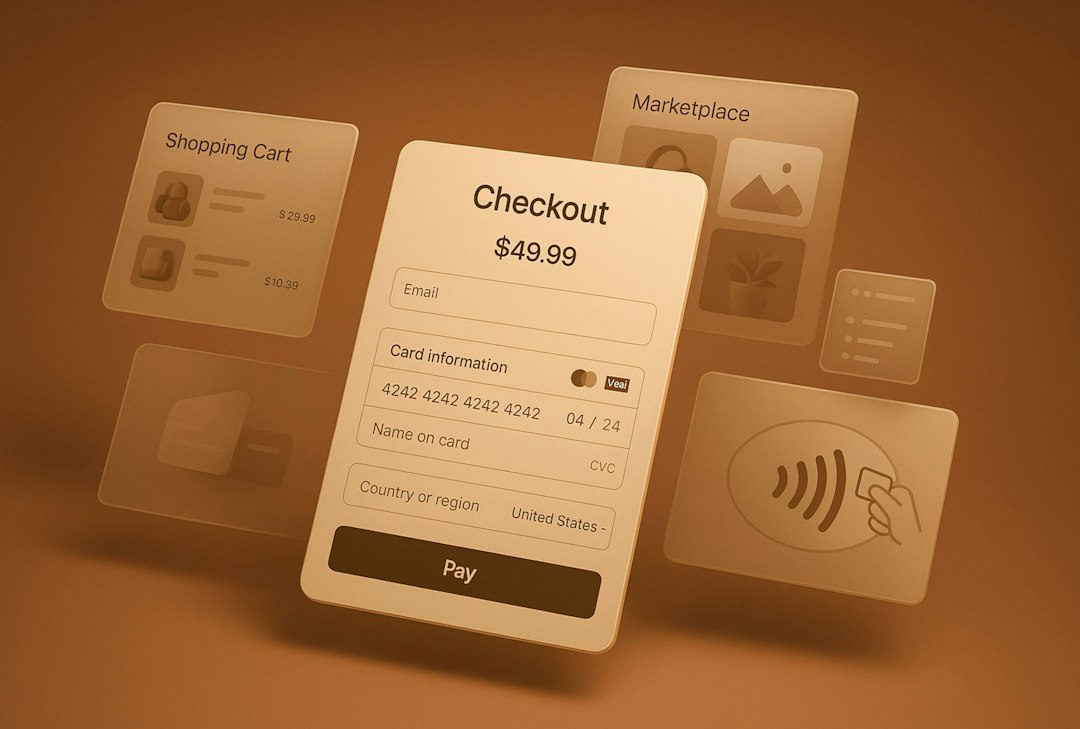
A short opening check can catch price, discount, and payment problems before they spread through the day.
The first ten minutes after opening are not just a busy start. They are the moment when a small team decides how the rest of the shift will run. If the register is set up correctly, the first sale is usually smooth. If a price is wrong, a discount is left open, or a payment type is mislabeled, the problem can repeat without anyone noticing. A short opening check gives the team a clear place to look before the line grows. It does not need to be long. It needs to be consistent. The goal is to make the first sale a test, not a surprise. When the first sale is clean, the team can focus on service. When it is messy, the rest of the shift often carries the same small error. A quick check is not a punishment. It is a way to keep the register aligned with the menu, the price list, and the payment rules.
The most common opening problems are small enough to miss. A price may be entered for the wrong item. A discount may be left active from the previous shift. A payment type may be selected by habit instead of by the customer. A gift card may be applied to the wrong line. A tip may be recorded in the wrong field. None of these problems looks dramatic at first. They become expensive when they repeat. The register does not need a long lecture. It needs a short list of checks that matches the way the store actually works. A useful list is not a list of every possible error. It is a list of the errors that show up in the first hour. If the team can name the top three or four problems, the check becomes faster and easier to follow. The list should be short enough to finish before the first customer waits.
A simple exception board can turn a vague worry into a visible task. The board can sit near the register, on a tablet, or on a printed sheet. It does not need to be fancy. It needs to show what was checked, what was fixed, and what still needs attention. If a price is corrected, the team can write the item name and the time. If a discount is closed, the team can mark the line. If a payment mismatch is found, the team can note the type and the amount. The board gives the next person a clear starting point. It also gives the owner a quick way to see whether the shift started clean. The board should not become a place for long notes. Long notes slow the team down and make the board harder to read. A short note is enough. The point is to make the problem visible, not to write a full report. If the board is used every shift, it becomes part of the routine instead of a one time fix.
The opening check is not a magic fix. It will not solve a broken scanner, a slow network, a missing item, or a price list that changes every day. It also will not replace training. A new teammate still needs to learn the register, the menu, and the payment rules. The check helps the team notice the small problems that are easy to miss. It does not remove the need for clear answers. If the price list is wrong, the team needs a correct list. If the payment rules are unclear, the team needs a simple rule. The check works best when it is paired with a stable source of truth. A stable source of truth can be a printed menu, a current price sheet, or a clear note that explains how a special item should be sold. The point is to reduce guesswork. When the team knows what the correct answer should be, the first sale becomes a useful test instead of a source of doubt.
The same idea works at the end of the shift. A short closeout check can catch problems that only appear after the day has been busy. A price may have been corrected once, but the item may still need a permanent fix. A discount may have been used correctly, but the reason may need to be written down. A payment type may have been selected correctly, but the next shift may need a reminder. The closeout check does not need to be long. It needs to be useful. A simple list can ask whether the first sale was clean, whether the exception board was used, and whether any problem needs a longer fix. This keeps the shift from ending with a pile of small questions. It also gives the next person a clear picture of what was already handled.
The best routine is one that fits the store. A restaurant may need to check menu items, modifiers, and service charges. A retail store may need to check price changes, gift cards, and returns. A mixed location may need to check both. The routine should not copy another store. It should match the real work that happens at the register. If the team spends too much time on the check, the check will not last. If the check is too short, it may miss the problems that matter. The right length is the length that can be finished quickly and still catch the common errors. A short routine that is used every shift is more useful than a long routine that is skipped when the line gets long.
The practical recommendation is simple. Start the shift with a short opening check. Use a small exception board to record what was found and what was fixed. Finish the shift with a short closeout check that notes any problem that needs a longer answer. Keep the list short. Keep the notes short. Keep the routine consistent. The goal is not to make the register perfect. The goal is to make the first sale a reliable test and to keep small errors from becoming shift habits. When the team can see the problem early, fix it quickly, and pass the answer to the next person, the register becomes easier to trust. That trust is what keeps the rest of the day steady.
Continue at mmpos.app at https://mmpos.app/download.