
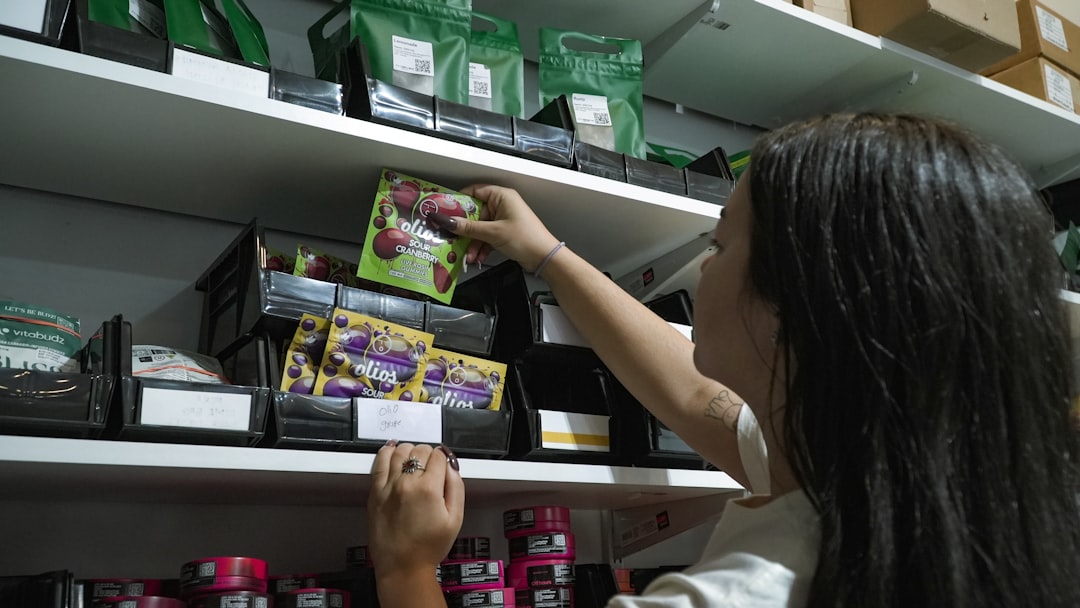
A return can look tiny from the outside. One customer, one receipt, one item coming back across the counter.
A return can look tiny from the outside. One customer, one receipt, one item coming back across the counter. Easy, right? Then the lunch rush walks in, the card terminal is still thinking about yesterday, the shelf count says there are three blue jackets when your eyes can clearly see two, and someone asks whether the refund should come from the drawer or go back to the card. Suddenly that little return is wearing tap shoes and dancing on your closeout report.
That is why a good refund counter routine matters. A return is not just customer service, not just inventory, and not just money. It is a small chain that touches all three. When each link is handled in the same order every time, the customer gets a calmer answer, the shelf count stays closer to real life, and the manager does not have to become a detective at 9:18 p.m. with cold coffee and a calculator.
Here is the plain-English playbook: decide what kind of return it is, record what happens to the item, explain the refund timing carefully, and close the loop before the shift ends. Nothing fancy. No big binder that needs its own parking space. Just a repeatable habit your team can actually use when the counter is busy.
The first step is to name the return before touching the drawer. Is the item unopened and ready to sell again? Is it damaged, missing packaging, or used? Was it the wrong item for a customer who still likes your store? Was the refund part of service recovery after a mix-up? These are different stories, and your POS record should not flatten them into one vague bucket called return. Vague buckets are where future headaches go to raise families.
Picture a boutique customer bringing back a dress with the tags still attached. The cashier can match the receipt, mark the item as resale-ready, and send it back to available stock. That is a clean return. Now picture a hardware counter accepting an opened tool case because the customer received the wrong model. That item may need a review bin instead of the sales floor. The refund might be correct, but the inventory decision is different. Same counter, different outcome.
For restaurants and quick-service spots, the lesson still applies. A wrong item refund is not usually a restock moment, unless you have invented a time machine and a very brave health inspector. But the reason code still matters. Was the menu item named in a confusing way? Did the kitchen miss a modifier? Did the handoff station grab the wrong bag? A quick note turns a refund from a sad little subtraction into a clue your team can use tomorrow.
The second step is recording restock status while the item is still in front of the team. If everyone waits until later, later will arrive with three other problems and a line of customers who all need something right now. Decide at the counter whether the item is sellable, damaged, needs manager review, should go to vendor return, or should be written off. Even if your process is simple, the key is consistency.
This is where small inventory errors start or stop. One resale-ready item returned to available stock can prevent a missed sale. One damaged item accidentally returned to the shelf can create an awkward second customer conversation. One item placed in a mystery pile can make the next count feel like an archaeological dig. A good POS habit keeps the physical item, the shelf count, and the customer record telling the same story.
The third step is explaining refund timing without promising magic. Customers understandably want to know when their money will show up. The honest answer may depend on the payment method, processor, bank, and whether the original transaction has settled. That is a lot of machinery behind a simple question, so keep the language simple: the refund has been started, the receipt shows the details, and the customer's bank or card provider may take additional time to post it. Clear beats clever here.
This is also a good place to separate refunds from reversals, voids, and cash returns in your team training. A same-day void may not feel the same as a refund after settlement. A cash return affects the drawer right now. A card refund may appear in reports before the customer sees money available. You do not need to turn cashiers into payment engineers. Just give them a short script that avoids overpromising and tells the customer what proof they can take with them.
Try a script like this: 'I have processed the return on our side, and here is the receipt for your records. Card refunds can take a little time to appear depending on the bank, so keep this handy if you need to check back.' It is not glamorous, but neither is arguing with a customer because someone promised instant funds. Operational glamour is mostly just avoiding preventable drama, which is underrated.
The fourth step is using manager approvals where they actually help. Not every return needs a parade. But refunds above a set amount, no-receipt returns, repeated returns from the same account, and drawer-impacting exceptions should have a second set of eyes. That approval should include a short note, not just a manager tapping a button and sprinting away like the building is on fire.
Security habits belong in this conversation too. Refund and override permissions should not depend on a shared manager login taped under the counter. Long, unique passwords and a password manager are boring in the best possible way. They help keep refund controls tied to real people instead of whoever knows the ancient password from three managers ago. Payment security is not a place for folklore.
The fifth step is the shift-end review. This does not need to be a dramatic meeting with charts projected on the wall. A manager can look at four things: refund totals, return reasons, items that were not returned to sellable stock, and approvals that need follow-up. If one reason keeps appearing, tomorrow's fix may be training, clearer product labels, better menu wording, or a receiving check. The report should point to one useful action, not just sit there looking official.
Here is a simple retail closeout example. A shop has five returns in the afternoon. Three are clean exchanges, one is a damaged package sent to a review bin, and one is a no-receipt goodwill refund approved by the manager. At close, the manager checks that the three sellable items are back in inventory, the damaged item is not available for sale, and the no-receipt note explains the decision. The whole review takes a few minutes. The next morning, nobody has to guess why the numbers moved.
That is the real payoff. A return counter routine makes the uncomfortable moment feel normal. The cashier knows what to ask. The customer gets a clear answer. Inventory does not wander off into fantasyland. The money trail has enough detail for the person closing the day. When sales are moving, those little bits of calm add up.
If your current process is mostly memory and crossed fingers, start small. Pick five return reasons your team can remember. Create one restock decision list. Write one customer refund-timing script. Decide which exceptions need manager approval. Then review the return report at close for a week and adjust what feels clumsy. That is how a routine becomes real instead of becoming another document everyone politely ignores.
M&M POS is built for small businesses that need daily operations to feel less scattered. If you are tightening up checkout, returns, and closeout habits, you can explore the system here: download M&M POS. No confetti cannon required, though if your team finally stops losing return notes, a small celebration is understandable.
If this kind of checkout routine would help your shop, you can download M&M POS and test it with your own setup.