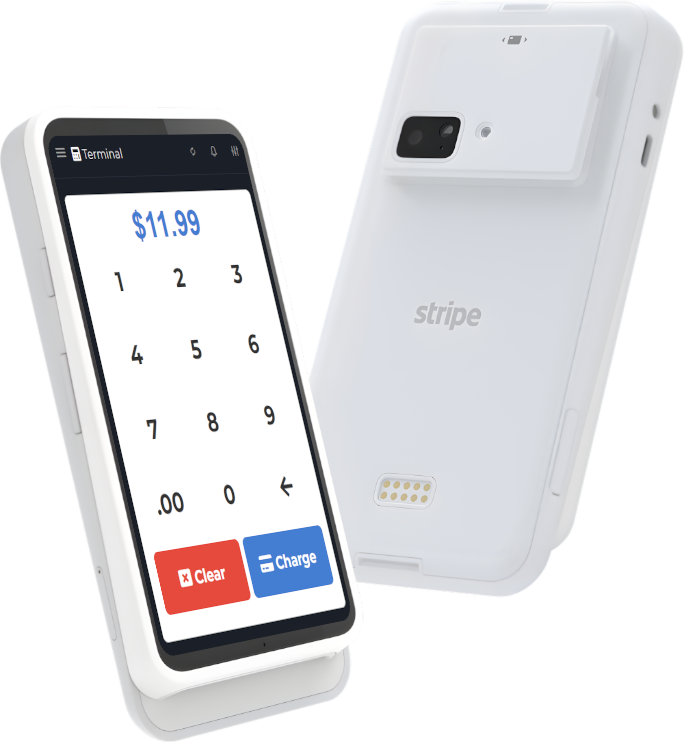


Peak service hides the small details, and guest allergy notes can vanish between team handoffs. This routine makes each note stay visible, confirmed, and acted on from the first order to closing checks.
At 6:07 in the evening, the dining room is already full. A hostess is already balancing a reservation app, a phone call, and a line of seated tables when a guest quietly says the dish has to be nut-free. The server entering the order adds a note in the remarks field because that is fast. Thirty seconds later, a coworker relieves that server and opens the same ticket on a second terminal. The note never reaches the second screen, and no one is trying to do a bad job. Nobody has seen a clear, common place to check for this warning.
That is the point. Most allergy mistakes are not about ignorance, they are about signal loss. In restaurants, a note can move through host, server, runner, expeditor, and kitchen in under a minute. If your system does not force that signal to stay in sight at every handoff, your process depends on good memory. Good memory is not a reliable operational control. The staff member who has the right intent can still forget a detail under pressure, especially at 11 o'clock rush where everyone is counting tables and minutes.
The first shift mistake is treating allergy notes as comments
Comments are useful, but comments are often low priority data. If a note goes to a place that people only read when they have spare time, your safety check is a gamble. The same pattern appears with item substitutions, meal preferences, and kids menu requests. It is not because teams do not care. It is because the interface and routine treat these items as text notes rather than as operational instructions.
In a small operation, a better approach is to treat any allergy signal as a ticket-level instruction. That means three things: it should be entered in a consistent field, it should move with the order across terminals, and one person should verify it before production starts for that dish.
A practical workflow in three checkpoints
The goal is simple: make the note impossible to miss without making everyone jump through ten approvals.
Checkpoint one: capture with a structure, not a guess
Use one approved phrase pattern every time your team receives an allergy or preference note. Pick plain terms like "ALLERGY: ..." or "DIET: ..." and place the data in a dedicated POS field if you have one. If your current interface has multiple free text boxes, choose one and use it consistently. If the POS supports custom fields, lock one as a required field for items flagged with special dietary needs. If not, make one checklist habit and stick to it.
Staff should not improvise a new shorthand each shift. If one manager writes "nuts=none" and another writes "nut allergen," the kitchen still has to guess what is safe. Standardized phrasing lowers ambiguity and speeds correction if someone has to hand off the order.
Checkpoint two: verify before it leaves the front line
Build one confirmation step in the order path. Right after an allergy note is entered, the receiving server should repeat it once to the table, and once to the runner or expeditor. This is not a long speech. A direct check can be short: "Guest needs no shellfish, cooking method okay, no cross-contact on fryer order line." Two confirmations reduce errors because they catch mismatched interpretations early.
The second confirmation is not for blame. It is for signal safety. In most incidents, the second person hears the same wording, asks the same question, and catches the one person who mistook a preference for a hard allergy.
Checkpoint three: confirm completion at prep handoff
When the ticket reaches food production, the prep lead or chef should see the same flag before prep starts. The instruction should be visible in the ticket summary, not hidden in an internal note that only one station opens occasionally. At this point, one of two things usually happens. Either the team confirms the alert and marks it as handled, or someone asks for clarity and resolves it immediately.
If your POS is configured for task queues, one tiny queue rule helps a lot. Put a pending allergen list near other urgent kitchen notes so it is reviewed once per shift cycle instead of waiting for verbal recall.
Why this helps more than a warning label
Most teams already know they need better allergy handling. The difference is that a visible workflow lowers the cognitive load. Instead of asking every person to carry ten risk rules in their head, your flow carries the rules for you. You still need training. But training sticks when steps repeat in the same order every shift.
The payoff is not only fewer complaints. It is less friction at busy service moments. The same person who avoids one correction also serves more tables without stop-and-go confusion. The same manager who avoids one avoidable near miss also closes shift faster because team questions are resolved while the order is active, not after the fact.
A 14-minute pre-shift routine that fits in real schedules
This is a practical routine you can run before each shift starts. Keep it short and concrete:
- At shift board time, the lead scans the menu notes template and confirms the allergen terms list for the night.
- The host team assigns one person to own note capture consistency for online and phone tickets.
- Servers confirm one sample allergy phrase and the required repeat-back path: server to runner, runner to kitchen.
- The kitchen lead confirms where the alert appears on their screen and how unresolved notes are escalated.
- At closeout, the manager clears any notes that were not completed and records one line in team debrief: what was clear, what was unclear.
That routine costs five to ten minutes, depending on the team size. More important, it makes responsibility visible. People do not perform better by knowing a rule exists in a manual if the rule is not called out and repeated where they work.
Handling substitutions without breaking trust
Substitutions are one of the first places allergy workflows fail. A substitute ingredient is easy to justify during a run on supplies. It is hard to keep safe when the same sentence gets repeated three times across different staff and no one tracks the exact change.
Create a substitution policy tied to the same flow. If a substitution is requested, it should be logged in the same field as the allergy note and tagged as approved. If that approval is not done before the dish moves to prep, the order should not leave the prep lane. This is a discipline change that sounds strict until you compare it to the cost of a corrected dish and a frustrated guest during a packed hour.
If you run delivery or takeout at the same time, keep the rule identical in all channels. Many teams treat in-house tickets as controlled and remote tickets as lower risk. That gap causes repeated mistakes. Safety rules do not change because the guest is 20 feet away or 20 miles away.
How to train a new person in two shifts
New hires absorb restaurant routines by watching senior team members, not by reading policy pages. So make the workflow visible. Let them watch one live call from capture to prep. Then let them run the flow with a coach who checks the same three checkpoints. You want their first successful completion to happen before their first rush hour. If it has to be learned under pressure alone, the lesson can be forgotten.
Build one short feedback habit at end of shift: name one order where the alert stayed visible and one order where it did not. If the team can explain both, they are understanding the process, more than passing a test.
Closing thought
Allergy handling becomes easy when the team does not have to invent meaning for every note. A clean POS flow turns a fragile memory-based habit into a visible routine. If you want the system side of that routine to match the way your team already thinks, download M&M POS and set your custom fields, alert path, and shift handoff rules so dietary notes stay visible from host to kitchen.
Direct URL: https://mmpos.app/download