
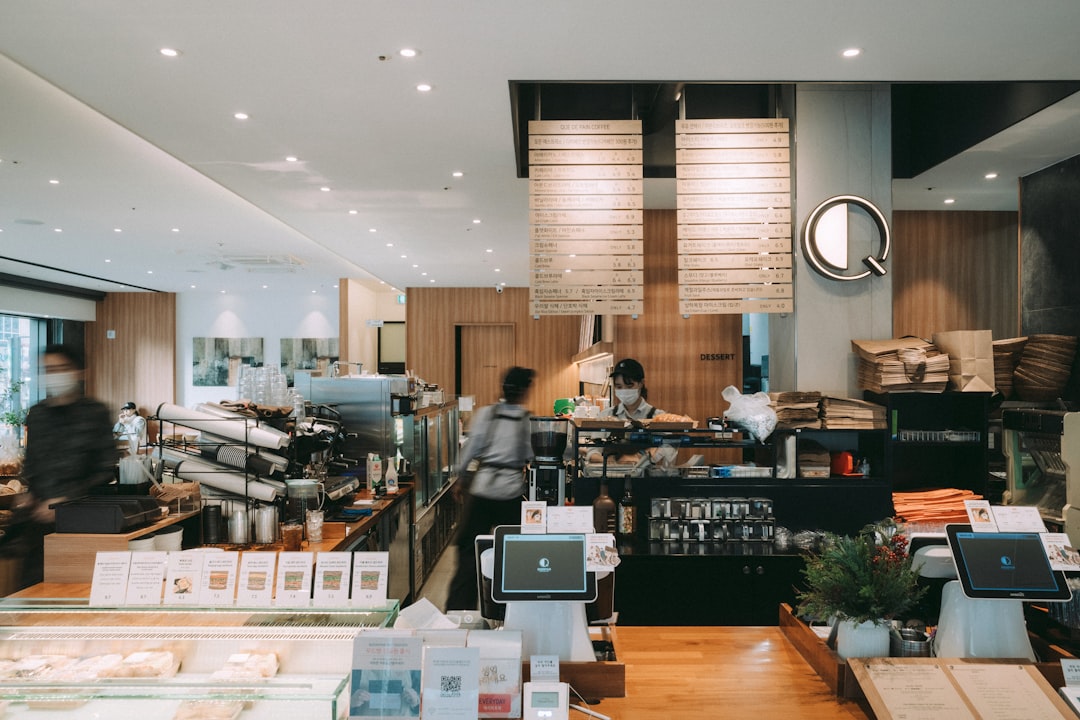
Most opening problems happen before the first order is entered. This routine gives a small team a practical first-hour sequence for device access, routing, payout checks, and fallback handling so service begins with fewer surprises.
At 5:55 a.m., the manager checks her phone first, then the dining room, then the POS devices. It is the same scene every morning for a long time, except for one thing: this week she has a new plan.
One part-time cook is still grabbing prep. The host has no opening message for the line. A cashier is trying to remember a discount from yesterday. A few minutes before guests arrive, no one knows which item failed for the last shift and which lane still has a stale notification.
The room is calm for exactly ten seconds, then the pressure starts. At that point, no one is waiting for a full operations course. They need one concrete, repeatable plan that keeps the opening in control.
Why opening stress is usually a process gap, not a team problem
Small teams feel this hard because every role is visible. There is no hidden middle layer to absorb surprises. That means any gap shows up immediately at the front door.
Most teams react only after a glitch appears, so they solve the same issue repeatedly. A pre-open runbook does not need fancy software. It needs clear ownership and sequence.
Opening with a pre-open reliability runbook for small teams
This guide is for a team with limited staff, limited hours, and very real margin pressure. It focuses on five checks that should take about 15 minutes, with no extra tools.
- Minute 1 to 3: Confirm devices and access.
- Check network lights and signal quality.
- Confirm staff credentials are not expired for today.
- Clear system notices that block transaction flow.
- Minute 4 to 6: Verify order visibility.
- Run one note-heavy test ticket to check workflow path.
- Confirm prep acknowledges before adding any live waiting orders.
- Keep one staff member owning exception notes only.
- Minute 7 to 9: Validate payout expectations.
- Minute 10 to 12: Lock menu and price assumptions.
- Minute 13 to 15: Set fallback and comms.
Open one register and one handheld device. Verify both are logged in, date-aligned, and connected. Send one tiny test order through each lane. If either fails, fix it now, not at peak.
Create one realistic ticket with a modifier and note. Confirm front and prep see it in the same form. If the message disappears, pause special requests for the first ten minutes and keep tickets simple.
Open drawer and payout settings once. If split checks are used, run one split test now so odd defaults do not surface during a busy hour.
Check one high-frequency item, one modifier, one tax setup. Confirm one recurring issue from last night is marked and assigned. This one quick check catches most opening surprises in small operations.
Assign one backup payment path, one comms channel, one fallback operator. No complicated matrix. One person remembers this and one person repeats it.
Who owns each piece when staffing is thin
Ownership does not need to be perfect, but it must be explicit. For a two-person shift, the opener owns device and payout checks, while the runner owns order routing and exception notes. In a three-person shift, one person can own both communication and fallback lanes.
Write owners on a dry-erase board, not in memory. If the board shows blanks, fill them before opening. If ownership changes because someone calls in sick, reroute by person and not by role title.
What each check protects
- Connectivity: prevents random lane stalls and time lost resetting in front of guests.
- Routing: prevents repeated questions between front and prep about what needs cooking.
- Cash controls: prevents payout confusion at day end and avoids last-minute blame.
- Menu integrity: prevents wrong charges that force disputes.
- Fallback planning: prevents panic when one lane slows down.
A short story that made this real
A small bistro used this for three days. On day one, they discovered one POS lane used a stale cache setting. Day two, they found a recurring note template mismatch. Day three, they assigned a named fallback operator and moved one exception check earlier.
None of the fixes were expensive. Two of them were language updates on how they opened. The team said the opening no longer felt like a coin toss.
When the runbook breaks in live service
Breaks happen. The point is to respond quickly, not perfectly. If a lane fails at 5:57, activate the fallback path and keep one short team note updated every ten minutes. If a menu mismatch appears, disable only that item rule and continue opening with the safe baseline.
- Red: switch lane immediately and route exceptions manually.
- Yellow: keep flow simple and pause non-essential promotions.
- Green: run at normal pace and monitor only for regressions.
How to run this for two weeks without burning out your team
Week one: use all five steps but skip extra notes. Week two: keep the same steps and simplify language. If anyone asks for a change, change one sentence and review it at close.
Small teams fail this part most often. They either add too much too early or lose patience after the first resistance. Keep the ritual short. If a step is often skipped, replace it with one easier question.
A good line is: has lane one, routing, and payout passed, and is there one fallback person? If yes, service can start.
Close with a cleaner first hour
There is no magic dashboard for tiny teams. There is only a better opening habit. If this routine helps, the next practical step is bringing these checks into one system where notes, menu updates, and exceptions stay in one place. You can do that with download M&M POS when you are ready to scale reliability without adding staff.
And if you are not ready for full migration yet, keep one thing from this post: name owners in advance. That single habit removes 80 percent of first-hour confusion.
Three quick checks during the first 10 minutes of service
After opening, do not declare victory yet. The first ten minutes can still expose a hidden issue from the pre-open sequence. Use three checks and no one speaks in full paragraphs. Just answer yes or no.
- Is at least one backup lane available without breaking access?
- Has the prep team confirmed the first two live notes?
- Is a payout owner and exception owner both reachable on one channel?
If all three are yes, keep pace. If any is no, keep the plan short and apply a fallback rule before the next order is handed off.
One owner should say this sentence out loud at the 10-minute mark. That simple check changes teams from reactive to prepared.
A final note for leaders
When teams are small, reliability is mostly cultural. A team that opens with one clear routine is already more organized than a team that starts with three scattered decisions. Consistency is the trick. The team can refine the exact wording later, but the sequence should stay intact.
Direct URL: https://mmpos.app/download