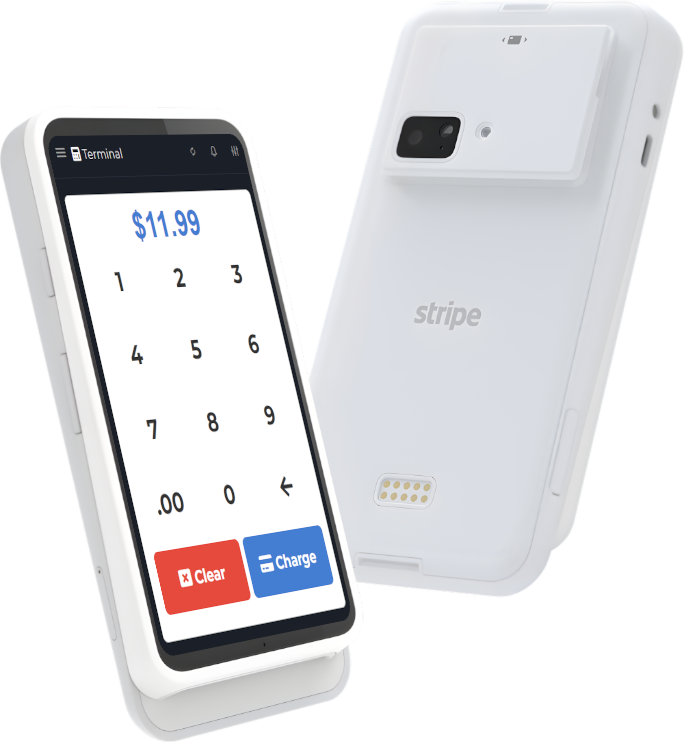


A practical playbook showing how stock discipline works best when exception handling stays tied to POS transactions.
A manager says inventory once a week is done. A customer still sees empty shelves at peak time.
That gap is often a movement gap, not a counting gap. The count may be right in a workbook, and still wrong at the register because return handling, transfers, and adjustments are not synchronized.
Inventory starts in the transaction flow
Stock movement begins with one action: what the POS says. If scan and adjustment steps are delayed, your reports become a mirror from yesterday, not a guide for today.
Inventory discipline should begin at the counter with three habits:
- Record every return scan consistently.
- Use one transfer note format with who, what, and time.
- Review manual adjustments before closeout, not during rush.
These habits keep stock truth close to customer reality.
Make the routine easy to repeat
Complex checklists collapse under pressure. Keep one compact rhythm:
- At opening, confirm one top-selling item is correctly active in both shelf and POS.
- Midday, review exceptions created in the last two hours.
- After close, run a quick count of manual corrections and unresolved transfers.
This short loop catches common leaks before they become weekly surprises.
Returns are your first stock alarm
Returns should be tracked as part of live stock, not as a side document. A missed return scan does not become obvious until a customer asks for the same item again.
Use plain language in staff training: if the return path was not confirmed in POS, the stock number is still uncertain.
Use reporting to learn, not to punish
Pick three fields for a weekly review and stop there:
- Top movers and any stock mismatch frequency.
- Manual corrections by lane and by time block.
- Top three products with repeated exception counts.
When teams see a clear list, they own the data and adjust faster.
If you want to put this into practice with one coherent flow, you can download M&M POS and test this rhythm with your team.
Daily stock rhythm for stores with thin margins
In small operations, stock mistakes feel expensive because everything has margin pressure. Small improvements matter. The goal is to make each stock action visible to the person who can fix it immediately.
Try a five-question end-of-day review once per day for two weeks:
- Which two items had the sharpest mismatch between shelf and POS?
- Which lane created the most manual corrections?
- How many exception notes were added manually?
- Which transfer note was missing an owner or time stamp?
- What is one smallest action for tomorrow?
When teams review these five items, they stop guessing and start linking stock, lanes, and ordering behavior.
Build a 'no surprise' receiving ritual
Receiving is where hidden stock drift starts. Use one short routine at delivery drop-off: scan, verify, count, and post a shared note before items leave the dock.
If a team cannot finish this in five minutes, shorten your receiving list to essentials and delay complexity to later in a less busy hour. It is better to finish the core checks than to skip them.
For the manager, this gives confidence at closeout because adjustments now have a timestamp and a person behind them.
Separate quantity and location mistakes
Quantity mistakes happen when an item is counted wrong. Location mistakes happen when the right item is in the wrong shelf zone or transfer lane. The fix is different. Treat both in reporting, or both become recurring. You need one column for quantity and one for location during daily audits.
Once staff get this distinction, the same item can be corrected quickly without arguing about whether the count itself is accurate.
Train staff to treat inventory updates as customer support
The best stores do not say inventory is 'an admin task.' They say, This check keeps the next customer from waiting. That framing changes behavior. Staff fix scan details because they understand the impact directly.
When that mindset lands, you get fewer emergency order changes, better line trust, and cleaner reports without major tool changes.
From exceptions to prevention
The next step after reporting is prevention. When your data shows repeated mismatches, pick one item category and map where it breaks: receiving, transfer, sale, return, or manual adjustment.
Then tighten just that one path for one week. If the break still appears, it is usually not a team skill issue. It is a process sequence issue that needs one less handoff, not one more checkbox.
Supplier timing and reorder confidence
Many teams place emergency orders because stock appears uncertain. Use the same exception log to build reorder confidence. If stock movement is clean and recent, reorder timing becomes more predictable, and emergency buying drops.
If movement remains messy, reduce reorder volume until data is cleaner. It is cheaper to hold a little extra on one item than to freeze your team with avoidable emergency replenishments.
Cross-training the counter
Cross-training is not for deep software power. It is for confidence on one task that is often ignored: confirming the stock flag after a return before closing the order. That one habit alone reduces ghost stock drift over time.
Keep this practical: one 10-minute cross-training block every two weeks. Repeatable beats grand training sessions.