
A practical guide to removing 2026 POS friction in the moments customers care most about.
At 11:20 a.m., two customers are waiting in the same line. One order is simple: one item, one payment. The other has a return. Same staff, same store, same register. Yet the second one takes much longer and leaves the line feeling crowded.
Most owners hear checkout speed and think only about hardware speed. In practice, the bigger issue is decision speed. In busy moments, teams make many tiny choices: where to open the right register lane, who handles a return, and which note to click next.
Checkout friction has a hidden price
Small-business owners usually notice friction in two ways: a queue that grows and comments that sound worried. The queue is visible. The comments appear later and are harder to fix.
Think of checkout friction in three buckets. First is avoidable waiting, like searching for the right lane. Second is avoidable confusion, like not being sure if a cart needs exception handling. Third is avoidable rework, like fixing a return after the line has moved on.
Each bucket can be solved by a routine. No one needs a perfect AI stack overnight. They need a cleaner sequence for the team.
What changed in practical POS routines this year
Many stores improved checkout this year by making three habits consistent:
- Using mobile lanes as intended, with a standard handoff script.
- Setting staff permissions and device setup before opening.
- Separating returns and exceptions from normal sales flow.
These habits reduce the amount of guesswork happening during rush windows.
A first move for every transaction
When an item enters a lane, the team should do one two-second classification:
Standard sale, return, or exception.
That one sentence keeps the line consistent. A standard sale can move directly through payment. A return can be pulled into a defined recovery lane. An exception should be flagged once, not repeatedly.
Mobile POS is fast when setup is boring
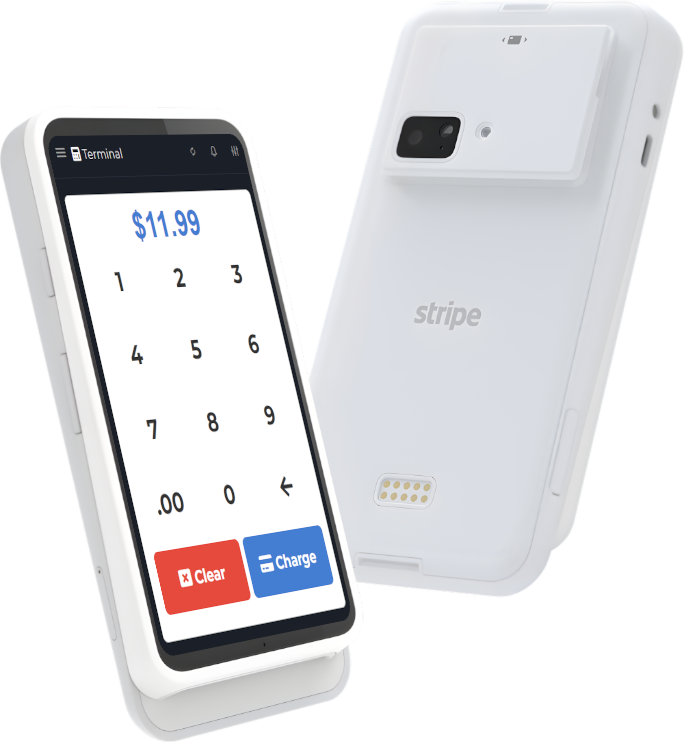
Mobile POS can make lines easier only when setup is boring and repeatable. Do this each morning:
- Assign one device tester for 10 minutes.
- Run one test sale on each active lane.
- Confirm payment method visibility and tax settings for that shift.
That short routine usually removes the unpredictable first-transaction delay that causes customer frustration.
Returns and discounts should have a defined lane
Returns are not the problem by themselves. The problem is mixing return steps with normal lane flow, especially when staff are still trying to keep pace with rush. A separate lane for returns prevents normal traffic from slowing down.
Train staff to use short phrases with customers. Example: Your return is processed in a dedicated lane, and the order will stay ready while we fix that quickly.
A 10-minute daily closeout check
Close every day with three questions:
- What part of checkout slowed down this day?
- Which lane had the highest number of exception handoffs?
- Did we move more than one customer per lane into manual follow-up?
If one lane has repeated issues, assign one person to coach that flow. Do not change all lanes at once, and do not add more rules until this is stable.
Humor helps teams through this. One store wrote their lane targets as 'faster than a slow coffee line.' The team laughed, then used it as a reminder to calm down and move quickly.
Try this this week. Pick one lane and one exception habit. If the line feels more reliable by Friday, you have your pattern.
For a practical baseline, you can download M&M POS and test your flow with your real team.
The checkout reset that changes everything
Here is the practical pattern to improve flow in a single shift. Run it for 90 minutes this week and keep it exact, not experimental.
At :00 minute, map your lanes by expected ticket type. Keep one lane for fast singles, one for split tickets, and one for returns and exceptions. At :15, verify all POS users are signed in with the correct lane permissions. At :30, run two test sales with the hardest product combinations: one discount, one tax-heavy item, one split tender, one standard no-frill item. At :45, walk the return process once while another staff person watches only timing, not quality. At :60, reset your queue direction signs or queue tape so customers can see which lane is which. At :75, do a dry run of one manager handoff for shift change. At :90, adjust one small thing only.
That may sound rigid, but this routine gives your team fewer surprises. The bigger lesson is not that every step is perfect. It is that every step exists and no one is inventing a different routine under pressure.
Three exceptions you can standardize without heavy policy
Standardize how exceptions begin, not how you solve every exception forever. Create this language for three common moments:
- Card declines: one retry, one backup method, one manager note.
- Gift card checks: verify once, process once, and keep the same visual confirmation.
- Price rule questions: check promotion rule in the POS view, then confirm by the end of shift.
Every team that applies this pattern sees fewer stalled lanes because people do not debate what to do in real time.
Use your own data, not general claims
If one lane still drags, ask three questions only. Is the lane manager rotating? Does the lane mix too many exceptions? Is there a timing mismatch between POS and payment terminal? If none of those, then you have training variance, not process variance.
When your team knows this question list, owners stop chasing broad software fixes and start fixing one lane at a time.
And yes, you can still keep the tone light. I once saw a manager label one counter lane as Plan B and then call that lane the 'emergency escape hatch' for returns. It made the team laugh, and more importantly, they remembered the lane purpose.
Apply this routine and keep the rule simple: the first 60 seconds at opening define the rest of the day.