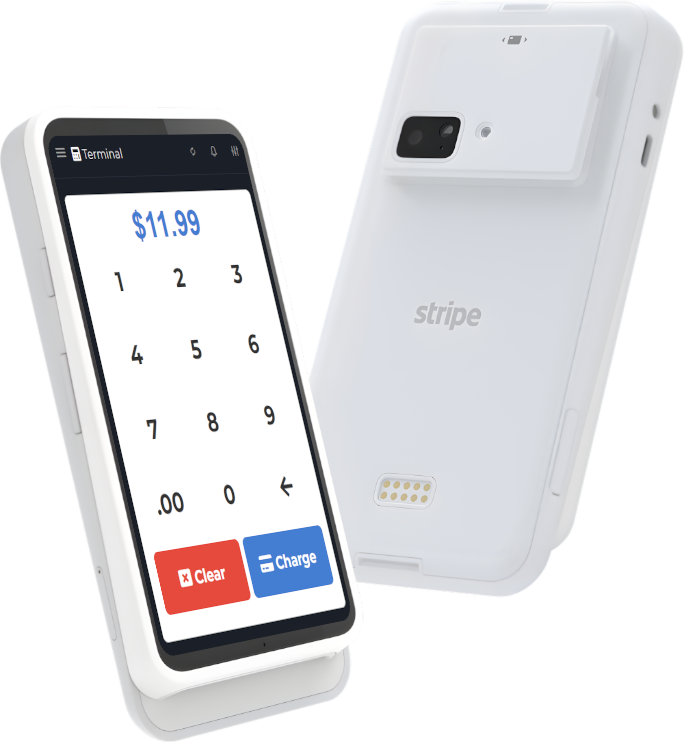


A practical guide for small stores choosing same-day ACH and other faster payment options, with clear checks that keep speed from turning into extra reconciliation pain.
At the corner bakery I sometimes visit, the owner once described her checkout flow like a tiny emergency room. The phone was ringing, the card machine was online, and a regular customer wanted to pay a split bill with a bank transfer while her busser asked a question about a coupon. She could be smooth when everything worked. She could also look panicked when the money part moved too fast and she had to reconcile what was promised versus what settled.
Same-day ACH and instant payment features can help, but only when a small team treats them like a routine, not a magic button. In 2026, speed is valuable, but predictability is even more valuable. If your staff can explain how a payment route works when it goes wrong at 9 p.m., then your operation can use faster rails without adding nightly surprises.
Why this topic is getting louder in 2026
For small businesses, every new payment option brings two questions: does it move faster, and who owns risk? In practical terms, this year brought more attention to both points.
ACH rules keep evolving for senders and receivers, and processors keep simplifying the user-facing side. That is good for speed, but it can hide new responsibility layers under a simpler checkout button. Teams need to separate two pieces of the job: making payment UX quick and making settlement handling safe.
Speed feels like a feature until it hides a missing process; then it becomes a problem you only notice on payroll day.
Use ACH as a normal option, not a default panic button
Think of payment channels like doorways in a kitchen. You can have a front door, side door, and staff door. Each has a purpose. The same way, card, cash, and ACH each serve a different operational pattern.
ACH is useful when customers already moved funds trustfully or when the order is large, planned, and not rush-driven. Card and wallets are often still better for quick impulse sales, especially in short queues. This is not a rule to limit innovation. It is just a way to avoid forcing one channel to solve every situation.
A simple framework: the 3-2-1 payment check
For a small team, this is practical:
- 3 details before accept: customer choice, expected settlement window, and whether manual override is needed for exceptions.
- 2 confirmations: team member who entered the payment and team lead who saw the final value before closing.
- 1 fallback path: a predefined card or cash route when ACH is unavailable or does not match expected amount.
Keeping this pattern in mind helps a team decide fast without debating policy every time. In practice, this reduces decision fatigue. A person on close shift can follow a routine, not reinvent policy.
What changed operationally, in plain language
If you are already using ACH, do not panic if you hear about updates in the payment world. Instead, add a review step to your routine. Ask two questions every day during morning huddle: Are the next-day and same-day rails both expected to be used today? Are there unusual volumes in exception payments, chargebacks, or reversals compared with last week?
You do not need internal legal expertise at every terminal to be compliant with modern rails. You do need shared habits. Staff need to know exactly when an ACH request is acceptable and what to do when a bank transfer is not final in time. Those rules should be small, written, and repeated.
What not to automate too early
Do not automate every decision at first, even if your POS lets you. If your first release tries to auto-reroute all large payments, you may see a prettier screen and a messier closeout process.
- Avoid launching auto-refunds before your team has documented reasons for refund review.
- Avoid silent retries without staff alerts, because retries can look like new fraud risk to a human.
- Avoid hiding hold logic from staff; they should know why a payment is pending when they ask the customer.
How to build a 14-day rollout that does not hurt trust
Most stores do best with a short runway. Here is a tested rhythm that keeps the pressure off:
- Days 1-3: add ACH visibility in one checkout scenario and train one person on exceptions.
- Days 4-7: open the option for a small set of customers and monitor settlement notes.
- Days 8-10: add a second checker role for mismatches or duplicate intents.
- Days 11-14: adjust team language and scripts, then decide whether to expand to all shifts.
The goal is not adoption speed. The goal is no surprises. If your team can state what the exception path is, your rollout is ready for wider use.
Small mistakes that create big confusion
Here are the most common traps I see with growing stores:
- Trusting every pending state: pending is a signal, not a done state.
- Letting one person own all overrides: this creates delays and burnout.
- Forgetting to align shift handoff notes: one shift sees "cleared," the next sees "pending," and both think someone else solved it.
- Letting discounts and split methods drift: mixed conventions create extra manual cleanup.
How to keep customer trust high while you move faster
Customers care more about clarity than speed. The best line at checkout is honest clarity: what happens now, and what happens if something changes. If you must ask a customer to wait for one confirmation, say it plainly and give a clear next step.
Train staff with one simple phrase set. For example: "This option usually settles by today, and I will confirm before we close this sale." It is not promotional copy; it is operational insurance. It prevents arguments and keeps team language consistent.
If you want one practical way to test this, pick one day and compare two shifts. Use one payment policy this day and the other shift as baseline. Track three fields by hand: customer wait questions, exception tickets, and closeout correction time. If the new path helps at least two of those three, you are improving.
Why this matters for team culture
Small stores run on confidence. Faster money tools are not anti-human if the team feels in control. A good flow gives people a clear lane: who accepts, who checks, who confirms. It reduces blame because everyone sees the same standard.
When people trust the routine, they are also more willing to suggest improvements. That is how small operations get better without adding senior staff or bigger software bills overnight.
Want to build this from day one in your own workflow, including a practical checkout script and role-based setup? You can download M&M POS and set this with your team in manageable steps.