

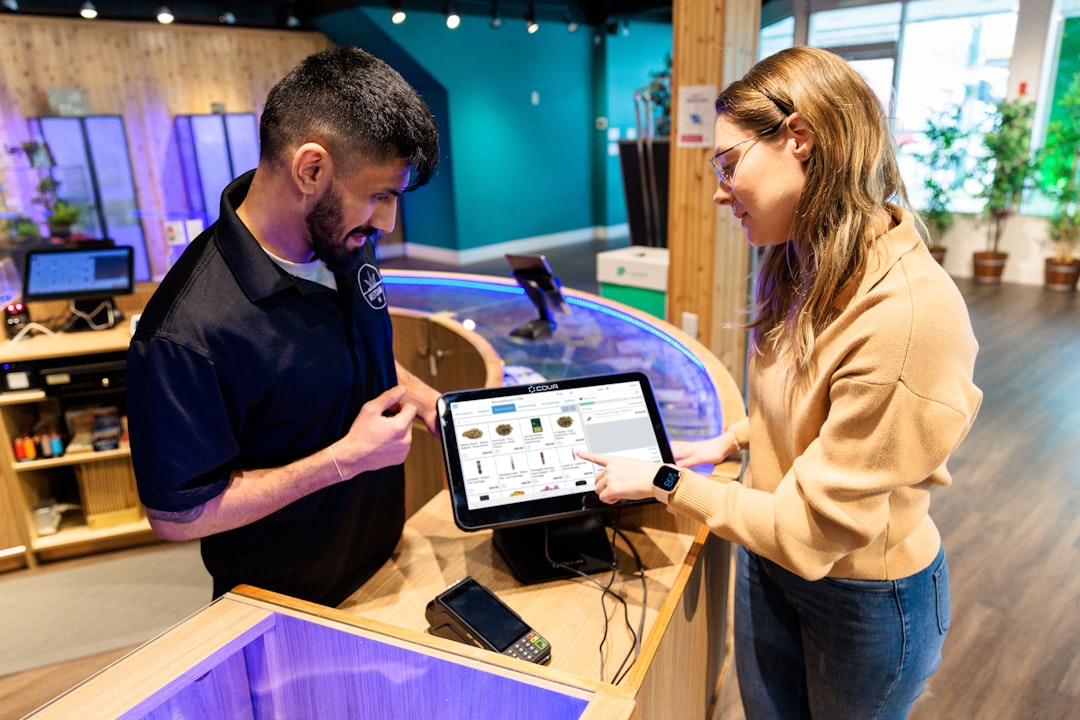
A practical, calm security playbook for card-present and EBT workflows that reduces risk without overwhelming busy teams.
Small businesses run on trust. The person at the register, the person paying, and the people reading a receipt later all assume the checkout is steady and fair. Skimming scams hurt that trust because they thrive on confusion. The owner then gets stuck between two risks: overreacting with fear or underreacting with denial.
The better path is practical prevention habits. Think of it like your daily opening routine: brief, repeatable, and specific. Not paranoia, just smart habits.
Why this matters even when you have been careful
Most skimming incidents begin with small shortcuts. A terminal is left open, a card reader is moved without tracking, or an unusual reconciliation question is brushed off because "it is only one card". One small exception becomes a pattern fast.
Public agency guidance on scams usually reads like a checklist for everyone, but for operators the useful version is simple: reduce opportunities for secretive behavior and improve transparency of exceptions.
Three habits that actually work at the counter
- Assign clear roles for card handling. One person starts a card-present order, another verifies settlement notes for flagged amounts. Clear ownership reduces ghosting.
- Keep cash and card workflows visibly separate. If staff can map exactly where cash adjustments happen, disputes drop.
- Train on what to report in one sentence. Too often, staff do not escalate because they are unsure what "normal" looks like.
That last point is key. A team that knows the difference between a normal void and an odd void pattern spots issues sooner. This is where communication makes security less dramatic and more normal.
"Security is not one big speech. It is a few habits repeated every day."
Protecting EBT and card flows without slowing service
EBT and card workflows can feel slower if you overcomplicate them. So keep controls light: verify account details and confirmation screens, then move on. The habit is not to stop service, but to stop blind service.
Practical flow suggestion:
- At opening, confirm reader status and offline mode settings.
- During rush, spot-check one payment path every 20 minutes.
- At close, review exceptions with a simple reason tag (customer typo, partial payment, retry, terminal error).
When exception tags are consistent, coaching becomes easier. A staff member is not embarrassed for speaking up; they are praised for flagging patterns.
What to do when an issue appears
Do not bury exceptions in a private note or verbal handoff only. Create a short written path: date, station, amount range, and who observed it. One shared log builds continuity between shifts and helps you catch repetition that verbal memory misses.
If your team is already stretched, this still takes under a minute if you keep the fields short.
The customer experience angle
Customers notice calm security more than they notice perfect speed. If you communicate clearly, they trust the process. A short script like "I want to confirm the card details so your receipt is clean" keeps dignity on both sides. That is why this topic is also about customer experience, not fear.
Security is easier to maintain when the team feels supported, not blamed. Turn training from a blame session into a confidence upgrade, and you will protect revenue and relationships at the same time.
For teams that need one place to start, download M&M POS and set your payment routine review as part of daily opening and closing habits.
A one-week security rhythm that is realistic
Start with one short daily check at opening. One person confirms the terminal status, one person confirms pending exception notes, and one person confirms that any manual adjustment in the previous shift has a reason note. That is enough for day one. No spreadsheets, no blame chart.
Midweek, run a ten minute review and ask three direct questions: which exception rose, who saw it, and what changed in the flow? If the answer is always I am not sure, the routine is still too abstract. If the answer is a concrete shift note, you are building habits.
Keep customer talk short and respectful. A simple script like, I want to verify the last receipt step so everything stays clean for everyone is usually enough. Guests usually appreciate clarity more than speed theater.
Security works best when everyone can describe one step in the chain, not just the owner.
At week end, review your log for repeated patterns: one terminal, one shift, one reader, one cash adjustment trend. Repetition there often points to a process gap instead of a single bad actor. You fix the gap, not the people.
If your team handles these routines without drama, you will have a stronger service promise and fewer late-night explanations to owners, managers, and customers.
What to include in the weekly staff refresh
Use one quick 10 minute board review on Fridays. Each team member shares one exception they noticed and one rule that felt unclear. Then write a one line change for next week and confirm who is responsible.
This sounds procedural, but it creates a calm chain of ownership. The team learns that security is not a secret department. It is a shared standard that keeps everyone safer and keeps customers returning because the checkout feels trustworthy.