
A practical plan to update menu prices for rising costs while protecting guest trust and steady repeat sales.
It is a familiar scene: you are doing inventory review, you check the food cost report, and then you look up at your menu board like it might answer back. The milk price moved. Flour moved. Packaging moved. Suddenly every dish that seemed stable yesterday looks a little too brave today.
That is exactly where many owners lose sleep, because no one wants to explain a higher price to regulars who still say hello by name. But here is the good news: you do not have to choose between paying your bills and upsetting your guests. You can adjust with care, test in small steps, and keep the promise of value alive.
Start with a clean truth map, not your ego
Before touching any menu line, write down what you already know and what you guess. A lot of teams skip this and then blame guests for not understanding. The honest version is this: most menu prices drift by accident, not by plan.
Use this simple split:
- Cost reality: what one item truly costs you now, including waste and prep time.
- Guest tolerance: what price range your regular traffic can accept for the same level of quality.
- Business goal: what margin level keeps you alive next month and next quarter.
Most stores do one of these and forget the others. Your menu should be based on all three. If cost says price up 12%, goal says keep profit at 30%, and guests tolerate only a 5% change on a favorite item, that one item may need a recipe tweak or bundling fix before you change the sticker.
Do a fast category reset in one hour
Set a timer for sixty minutes and review your top 20 highest-traffic items. For each one, ask:
- Is the current cost number based on old supplier pricing?
- Are we using the right recipe version and serving size?
- Is this item part of a popular combo that can carry the higher cost?
- Can a smaller adjustment in one side item protect margin without touching the hero dish?
This small audit works best when you treat each category as if it has a different personality. Your coffee may tolerate a 3% increase, while a high waste side salad may need larger corrections but only in a special promotion.
Use two price ladders, not one
Regular price changes often fail because owners assume everyone reacts the same way. In practice, you have at least two groups:
- Daily regulars who know your kitchen rhythm and return for your signature experience.
- New or occasional guests who compare with the street and have a lower memory of your previous prices.
That is why this works better than a random bump:
- Ladder A: Keep the hero favorites stable but improve value through smaller sides or a swap-up choice.
- Ladder B: Raise less-loved items gradually while improving presentation, and keep these updates out of the social media spotlight at first.
People are more comfortable with visible quality improvements than with sudden price jumps. If the experience feels better, the number starts to feel fair.
Avoid "death by decimal" pricing mistakes
For small businesses, one very sneaky mistake is too many tiny, random adjustments. $9.25 to $9.79 feels small, but customers notice the inconsistency. Better to use clean values and keep the story straightforward. Your menu should be easy to scan, not a cryptogram.
If you are using old mental anchors like $9.79 because "it adds up in the long run," you might be paying for that anxiety with lower trust. A clean, confident number is easier to accept when your team explains why. Keep the menu readable. Keep it fair.
Let M&M POS show the pattern you cannot see in your head
At least once a week, export a simple report of best sellers, average ticket, and ingredient-level cost. If your software tracks ingredient usage by item, this becomes easy. If not, it is still worth setting up. The point is to compare what guests ordered with what the menu says it should cost.
M&M POS helps you stay on the same page with this by keeping sales, receipts, and inventory in one workflow. When you compare margin by item and then cross-check with your busy times, you can pick the right moment for a change instead of guessing.
A test window beats a full menu rewrite
Do not roll every change at once. Choose one meal period for the pilot, test for 10 days, then read the numbers. If sales drop from a price change, pair that with a quick customer conversation. Not a big survey. Just ask one question: "Did this price change feel fair for what you got?" Keep a notepad. You will get cleaner signals than spreadsheets alone.
For a local operation, this is often enough to spot where communication matters. Sometimes the price is not the real problem. Sometimes the description forgot to mention what changed in portion, quality, or add-on options.
Communicate like a kind shop, not a courtroom
When you publish, your team should know three lines by heart:
- "Our ingredient costs changed, so we adjusted pricing to keep the same quality."
- "You still get the same flavor profile and portions we stand behind."
- "If you have a question, we will explain it before you leave."
That is all. No scripts, no drama, no guilt.
Simple rollout plan for the next two weeks
- Week 1: Audit top items and choose 3-4 candidates.
- Week 2: Update only those items and review hourly sales with your team.
- Week 3: Keep, tweak, or revert based on margin and repeat guest behavior.
- Week 4: Standardize successful changes into a repeatable menu review cadence.
That repeatable rhythm is the real breakthrough. Menu management becomes less emotional and more operational.
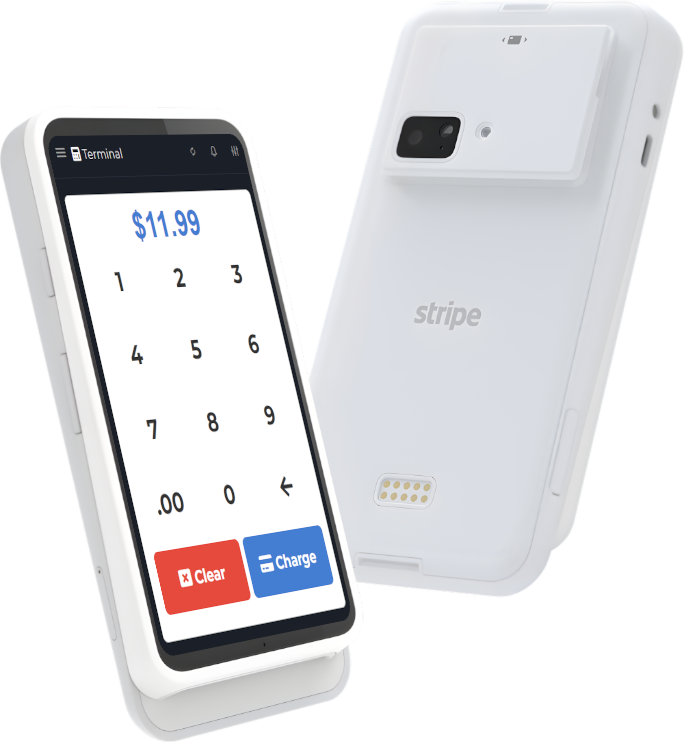
If you need a clean and calm way to keep menu quality steady while protecting margins, start with this simple reset, then try one focused change cycle in M&M POS. And if you want a live starter setup, you can download M&M POS to align pricing, cost, and daily reporting in one place.
Build a repeatable review loop so your menu stays trusted
If you want this to work for more than one season, you need a repeatable review loop and a boring schedule. Boring is a feature here, not a flaw.
Try this cycle for six weeks:
- Week 1: update costs and run a first pricing pass on only 2-3 categories.
- Week 2: monitor same-day margins and any customer questions logged by staff.
- Week 3: adjust wording and portions where confusion is highest.
- Week 4: keep successful pricing changes and freeze any underperforming line.
- Week 5-6: test one menu communication line with your top three returning guests.
This may sound like a lot, but each week takes less than 30 minutes if your report view is already routine.
Three practical value messages that do not sound defensive
When you must raise price, say what changed, not why you felt like it.
Good line: "Our ingredient costs are up this month, and we are adjusting a few prices so this dish stays as fresh as you expect."
Better line: "This price holds our quality standards steady while keeping waste low."
Bad line: "This is what the market forced us to do."
That bad line puts blame on customers. Even if customers nod, the feeling is weak. Friendly transparency lands better and lowers argument at the register.
Use guest feedback as an emergency thermometer
You do not need a huge survey tool. A short verbal question from staff can reveal if the price change is accepted:
- Did the new price feel explained clearly?
- Did value still feel like a fair trade?
- Would this guest return for this item after the change?
If responses dip on one item, reduce the communication blame and review the offer. Sometimes a quick menu description change does more than another price bump.
Word on wording and team confidence
Team confidence matters more than any software setting. If a server is unsure, the price feels uncertain. If your team says the same short line, it feels stable. If you are funny, do not be cheap on consistency: "Same great dish, with fewer cost headaches" is light and still clear.