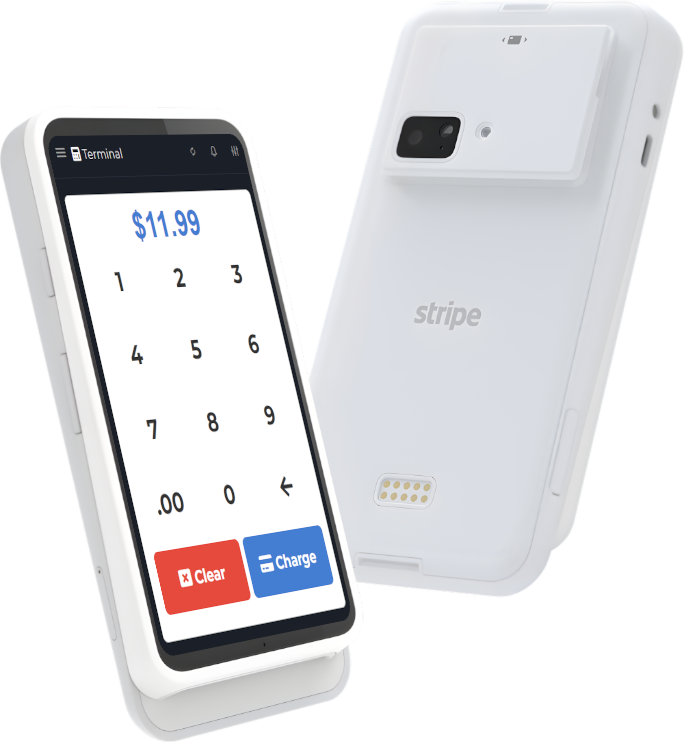


A practical checklist for preventing payment blocks, disputes, and refunds chaos during busy holiday sales.
You can usually feel holiday season coming two weeks before the first rush. Not because of the decorations, but because the payment questions start landing early: "Can we split this one?" "Why was this card declined?" "Where is the receipt?" and, of course, "I did not authorize this charge." Most of those are fixable if your team has clear guardrails before the line forms.
I used to watch a local bistro owner say, "I get one chargeback complaint and spend the whole morning doing detective work." That is expensive in time, stress, and mood. The goal is not zero problems. It is fewer surprises and faster resolution when they happen.
Build your payment guardrails in five layers
Think of your payment stack like a door with locks. More than one lock makes sense, but each lock should do one clear job.
- Layer 1: Front of line clarity. Train staff to confirm cart total, tax, and tip options clearly before payment.
- Layer 2: Card capture hygiene. Use signature, present verification, and receipt confirmation habits that match how the terminal expects it.
- Layer 3: Fraud signal checks. Use risk settings for unusual amounts, shipping mismatch, and high-risk payment methods.
- Layer 4: Dispute log. Keep a structured note for each refund, chargeback lead, or card reversal event.
- Layer 5: Post-sale review. Review disputes weekly, not monthly, and update team scripts quickly.
Each layer reduces the pressure on the next one. You do not need a banking team to feel protected. You need repeatable steps.
Stripe-specific settings you should review now
Even if you are not a fintech expert, you can handle three practical checks:
- Confirm all payment keys and credentials are current and not sharing test/live mixups.
- Turn on realistic fraud detection thresholds instead of one-size-fits-all defaults.
- Create a simple dispute workflow and make the trigger owner clear for each case.
If your account has manual reviews, keep them focused. Too many manual blocks can slow happy customers. Too few lets risk pile up. The sweet spot is the one your team can execute without freezing the checkout for every second transaction.
Train your team with scripts that do not sound robotic
Scripts help teams stay calm. These are better than "What is the exact policy?" scripts, because short rules are easier to remember:
- "Let me check that for you before we send the payment."
- "I can send the receipt now, and I will show you each amount line."
- "We can retry with a different card, or I can help split this in simple steps."
Good scripts reduce argument time and keep your staff from improvising in ways that make disputes worse. Train once, role-play once per week, and keep it 5 minutes. Yes, 5 minutes. You do not need a seminar every shift.
Use M&M POS reports to spot weak points before they become tickets
Before the holiday week, run a small report on payment status by hour, service type, and terminal. Look for repeat patterns:
- Decline spikes after rush hour
- Higher refunds on specific team members or time windows
- Items that are always paid by one method because the process is easier for staff
Patterns are useful because they show where the process leaks. If half your declines happen on one device, it might be a hardware issue, not customer behavior.
What to do when a dispute hits
Disputes are not a sign to hide. They are your chance to improve your data hygiene.
- Record the exact timestamp and terminal.
- Attach the order details, tax amount, and payment metadata.
- Take a short, clear note with what was offered at the time of sale.
- Send a polite follow-up if required by your processor.
This can be painful when the store is full, but done consistently it reduces repeat complaints and protects cash flow during the busiest weeks.
Humor is a real risk control tool
When the line gets long, people forget they are paying for coffee. They just know they are in a hurry. A calm team voice plus one light human moment makes things smoother. Try this: "You caught the checkout speed lane; now I catch the tiny detail we might miss." Friendly language lowers anxiety, and lower anxiety means fewer rushed cancellations.
Checklist for the next ten days
- Day 1: Review payment settings and disable weak manual overrides.
- Day 2: Train one dispute owner per shift.
- Day 3: Update payment scripts and post at the register.
- Day 4: Run first test report and fix one bad trend.
- Day 5-10: Repeat, then do a short team reset for any open issue.
With a stack of small steps, your team can keep service fast and still protect margin. For small businesses, that is the best kind of guardrail: one that lets people buy and keeps surprises out of payroll.
Want a clean place to keep sales, payouts, and dispute notes linked to the same workflow? The easiest path starts in M&M POS. If you are ready to set this up quickly, download M&M POS and use your own payment process as a template.
Dispute response script that fits on one sticky note
Disputes move faster when there is one script. Keep it short enough to read on a sticky note:
- "I understand the issue and I can see why that is frustrating."
- "Let me pull the exact order timeline and fix this with you now."
- "I am sending the invoice trail and next step right away."
Read this once before the first shift starts each morning. You will sound calmer during the third dispute of the day, which is the real test.
Holiday pre-mortem with your own team
One week before peak season, run a pre-mortem roleplay:
- One person plays a confused customer.
- One person plays a cashier.
- One person acts as dispute desk with only five minutes to resolve.
Keep a whiteboard of friction points and set fixes. This is cheaper than waiting for 20 real calls and then guessing what went wrong.
Fraud checks without slowing queues
When checks are too strict, queues grow and service drops. When checks are too loose, risks rise. The sweet point is by transaction type:
- High value and repeated retries: extra review.
- First-time order with normal amount: quick flow.
- Known repeat customers with consistent profile: normal approval.
That small branch split protects flow and keeps team energy predictable.
Keep a visible chargeback calendar
Every Friday, check chargeback trend versus same weekday from last month. If one payment method has changed, flag it. If one team member has repeated manual override logs, coach directly and adjust training.
No blame, just a practical correction. If a system says something is off and two people can repeat it, the fix is probably process, not personality.