

A practical close-of-day reporting rhythm for retail and food teams that converts POS metrics into one next-day action.
Daily reports are most valuable when they end with action, not when they generate polished charts. Small teams do not need more dashboards. They need fewer questions and clearer next steps.
The most common failure is writing metrics that are never used. A report can be correct and still be useless if nobody knows how to act on it before the next shift. The fix is to simplify both the metric set and the decision rhythm.
Pick a stable set of five metrics
Choose five metrics and keep them for at least two weeks. Too many metrics creates analysis fatigue. Too few can hide risk. A practical set includes top-line sales rhythm, exception rate, labor-to-transaction trend, order completion stability, and stock risk rate.
When each team can read all five without a meeting, the report is already improving. Keep labels plain: \"up\", \"down\", \"unchanged\" and \"who will act\".
Use one short close framework
At the end of each shift, use a short framework: what changed, what it means, what happens tomorrow. This keeps the team focused on decision, not description. For example, if labor-to-transaction time rises, action might be prepack setup for busy lane and role balancing.
Do not allow open metrics with no owner. Every significant observation should point to one accountable person and one concrete task. Ownership turns data into behavior.
Separate lanes without splitting teams
Retail and food lanes often need different action logic. Keep a shared reporting board and add lane labels so staff know the target context. This helps mixed operations avoid copying decisions from one mode into another.
A service station may focus on order timing and accuracy, while a retail counter may need pricing and stock closure checks. Same board, better tags, better action quality.
Review repeated actions as process debt
If the same action appears repeatedly in weekly notes, it may be a process debt issue, not a motivation issue. Identify whether the action can move earlier in the day or become one default setup rule.
For example, if \"price correction due to wrong code\" appears all week, the team is signaling a setup gap. Fixing the setup is often better than asking someone to remember every time.
Keep review short and reliable
Set a strict time limit for close review, such as under ten minutes. One person presents metrics in simple language, one owner each action, and one expected outcome for next close. That is enough structure for durable improvement.
Small teams that sustain this rhythm usually see calmer operations in less than a month, because people stop arguing about priorities and start checking action completion.
Use a weekly trend check
Keep a second, weekly view for one week only. Compare the same metrics to the prior week and ask what changed with direct impact on service reliability. Avoid adding new metrics mid-cycle, or the team will lose focus.
In week one, trend means spotting direction. In week two, trend means selecting one action to remove the repeated issue. If an action still repeats, reduce complexity before adding more metrics.
Close with a customer lens
Data is only useful if it helps serve customers better. Include one line for customer signal, such as repeat questions or pickup delays. Teams that connect operations metrics with customer impact usually sustain changes faster than teams focused only on internal numbers.
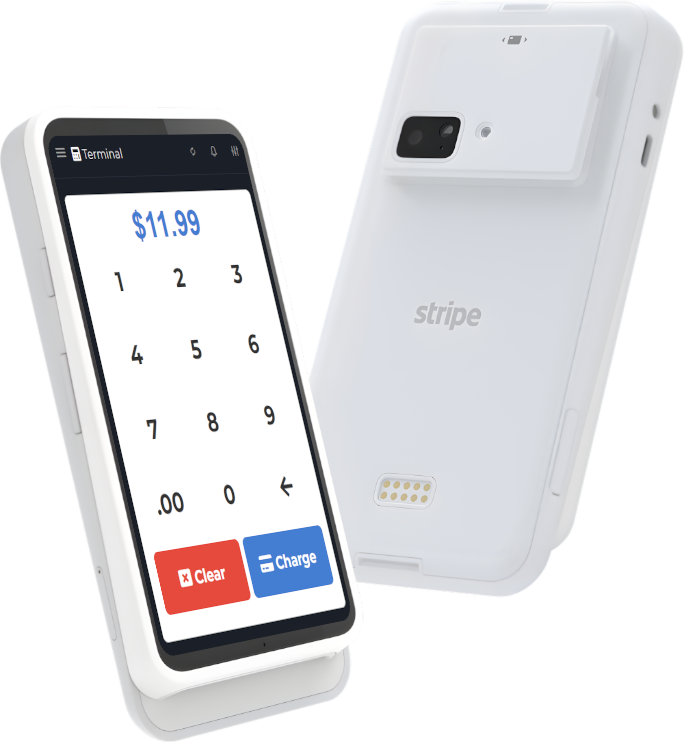
To align this reporting flow with your POS workflows, use download M&M POS and wire metrics into your existing close process.
Turn report fatigue into report clarity
Teams often feel too many metrics is the same as too much visibility. It is not. Too much unfiltered visibility can be noisy. Clarity comes from fewer decisions, not more numbers.
Use your close sheet to force one owner per metric cluster. If no owner exists, remove that metric for now. Ownership is what converts attention into action.
Try this with service delays and stock risk for two weeks. If both improve, add a third metric that the team asks for. If they do not, delay expansion and improve interpretation first.
Use cross-location consistency for growth teams
Teams with two or three locations need one standard. Keep naming and definitions consistent across sites. \"Order delay\" should mean the same thing everywhere, and \"high risk\" should have the same threshold. That consistency makes weekly rollups useful instead of confusing.
The goal is not to centralize every decision. It is to ensure shared vocabulary so reporting speeds action instead of debate.
Close reports should become a short narrative for tomorrow, not a historical scrapbook. When teams stay aligned on this, service quality improves and leadership regains breathing room.
What to remove as reporting matures
If your team has a metric that is stable for three close cycles and never drives action, remove it. Every retained metric should trigger visible changes. This makes reports faster and keeps attention on real levers.
Add one replacement only when the team asks for that insight and can act on it in one shift. This keeps reporting practical and avoids dashboard bloat.
As you mature, report content should shrink, not grow. The team should spend less time reading, and more time executing.
Create a two-step review process
Use a strict two-step review. Close review happens daily for execution clarity. Weekly review happens once to look for the one repeat pattern that should change. Keep weekly review short and action-oriented.
For weekly review, ask one simple question first: which action from close notes changed most? The team should already know, but the question protects focus.
If one recurring issue still appears, convert it into one updated step in the close routine rather than adding another metric to the board.
Over time, this keeps reporting useful and keeps operators from treating reports as paperwork.
Turn weekly signals into one next-step plan
At the end of each week, pick one metric that changed and explain the action tied to that change. This keeps reporting from becoming a broad list and keeps it focused on practical direction.
If one metric improved but behavior did not, do not add another metric. Improve the execution phrase and training around that metric instead.
The most useful teams are not the ones with the longest reports. They are the ones with the clearest next-day move. Keep that standard and reporting becomes a tool you reach for, not a task you avoid.