
Keep service quality stable with staffing and handoff routines designed for high-turnover and high-demand periods.
Food service teams are under unusual pressure across costs, hiring turnover, and guest expectations. The result is a common cycle: strong service standards in the morning, then rushed substitutions and delayed pickups by late afternoon. If operations drift during busy windows, teams often compensate with temporary discounting or ad hoc staff moves. Those tactics reduce immediate pain but increase margin pressure. A more durable path is to engineer consistency into repeatable service routines so quality holds even when labor is thin.
Map the service moments that are not optional
Guest experience in restaurants is decided before the first bite. Define three moments that must not fail: greeting, order confirmation, and handoff completion. Each moment should include a specific staff owner and a short verification step. For example, a check-in greeting means seat or acknowledgment within a target window; order confirmation means item and modifiers repeated once; handoff means payment status and pickup promise explicitly stated. This sounds small, but it removes ambiguity when walk-in volume spikes and staff are covering extra tables.
Labor pressure and menu clarity
When labor time drops, errors usually happen at item customization and modification edits. A kitchen that receives "no onions" and "extra crispy" as a freeform note has high replay risk. Use a stricter menu modifier model in POS:
- Use pick-lists for high-frequency variants.
- Reserve custom comments for non-standard requests only.
- Train one host to confirm high-risk modifiers during peak windows.
This does not remove flexibility. It reduces correction loops.
Design labor-aware templates
Shift planning is not just about headcount counts. It is about role coverage at each guest service point. A practical template tracks who is always accountable for:
- Order intake and modifications.
- Payment exception escalation.
- Table check and pickup handoff.
- Post-sale closeout and queue cleanup.
When one role is weak, assign a relief flow. If a host is late, an assistant can absorb modifier confirmation while kitchen keeps running.
Shift handoff is a revenue control, not a formality
Most restaurants lose consistency at shift changes. An easy fix is a printed or digital handoff card with three fields: expected order volume, current exceptions, and unresolved guest notes. Include one rule for each channel: walk-in, reservation, takeout, and pickup. If a card is wrong, the cost compounds because each role assumes the next shift has correct visibility. Keep handoffs brief and standardized.
Consistency habits for labor-saving service
Teams often confuse speed with consistency. If staff rush, they skip confirmations, then recover with compensation claims. A consistent team is not slower. It is less error-prone. Use these habits:
- Repeat any high-risk order once before send-to-kitchen.
- Confirm timing and pickup channel for every pickup order.
- Review one unresolved complaint per shift before closeout and close each issue with an internal action owner.
These habits are simple to coach. They also improve team confidence because everyone knows what is expected under pressure.
Use team rhythm to reduce burnout
Fatigue creates the fastest path to guest mistakes. Build one rhythm segment each shift where one manager leads a two-minute reset. During reset, close outstanding disputes, clear queue highlights, and reprioritize tasks for the next 30 minutes. This is especially useful in lunch and dinner spikes where teams are tempted to skip cleanup until end of day.
What to review weekly
Review these three numbers every week:
- Modified order rate after initial confirmation.
- Average wait from payment to completion.
- Complaint rate by shift and team composition.
If any number is high in multiple shifts, the issue is likely process, not personality.
Use tools where they protect time
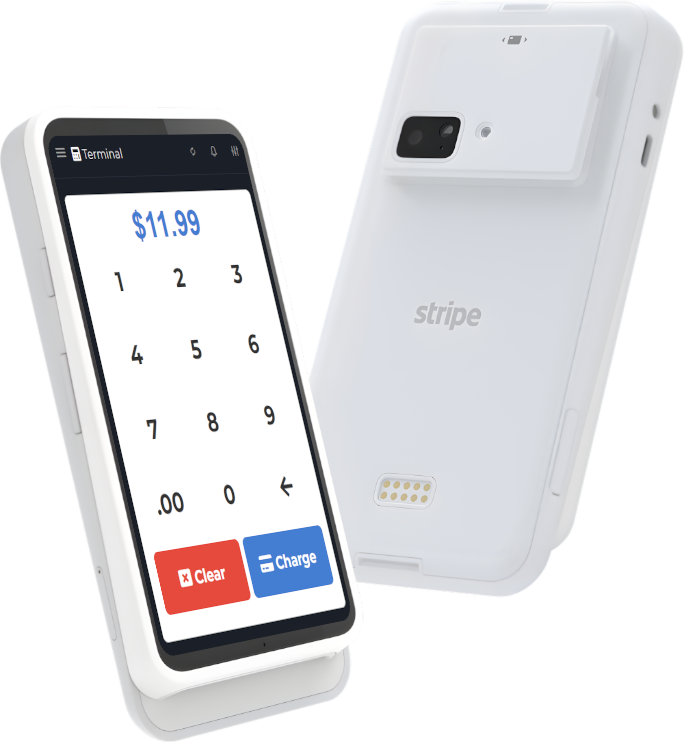
Technology matters only when it reinforces service consistency. M&M POS can help by keeping order capture, modifications, loyalty status, and payment closure in one flow. Teams that move to a single source of truth usually spend less time clarifying what happened during a rush. If adoption is part of the plan, set a clear goal and then download M&M POS on all active operator devices.
14-day implementation sequence
Week one: map the three non-optional moments and role assignment. Week two: standardize modifier and handoff templates. Week three: introduce one labor-aware shift template and a two-minute reset habit. Week four: review numbers and adjust one process point only.
Build a service exception matrix
An exception matrix lists the most common disruptions and what happens next. For example: menu variant conflict, delayed station handoff, missing side item, and wrong pickup address. For each, define owner, fallback, and closing step. Staff can then apply the same sequence even when stress is high.
Create confidence-based training checkpoints
Use short simulations with real guest scenarios from your peak times. Instead of open-ended role play, run one scenario per trainer where the team must follow the template from greeting to closeout. Debrief with one line: where was the first inconsistency observed, and what rule reduced it. This keeps training practical.
Cross-trained shift roles for variable demand
Cross-training works when roles are tied to outcomes. Pair one front role with one support role and define exactly what each takes over in peaks. This avoids chaos at handoff moments and makes labor adjustments easier to trust.
Guest education before discounting
When guests are informed clearly about wait windows and change steps, service pressure drops. Make one visible board that shows normal pickup cadence and exception categories. Transparency improves resilience and keeps complaints from turning into escalation loops.
Build a repeatable incident-to-lesson cycle
Retention and service quality are not improved by one perfect week. They improve when each exception becomes a lesson. Add one process block called Incident to Lesson. It has three steps every shift: capture, classify, and convert. Capture stores what happened, with timestamp and channel. Classify marks root cause as training, policy, or menu-data. Convert assigns one change before next shift. This method keeps teams from guessing and gives owners confidence because improvement has a timestamp.
Design service promises around operational reality
Guests trust clear boundaries. If pickup windows are always within reach and the team has a plan for rush delays, complaint load drops. Create a short promise matrix that includes peak and non-peak windows. A team that misses promises only within clearly communicated windows can recover faster than a team that tries to always promise short waits.
Segment retention support by team touchpoint
Some guests come for speed, some for care, some for clarity. A one-size support reply often underperforms. Define three retention touchpoints:
- First repeat reminder after first issue.
- Mid-cycle follow-up after completed support case.
- Annual habit check on service preferences for top customers.
This does not mean more messaging. It means better timing, better relevance, and fewer generic notes.
Set retention goals in plain language
Keep team goals simple: reduce repeat complaints by one source type, improve first-response time, and increase resolved repeats. These targets are easier to coach than complex funnel maps, and they still support revenue goals because stable operations reduce avoidable leakage.
How to avoid discount dependence
When teams see discount dependence grow, they should map every discount event to the operational pressure that triggered it. If one process causes repeated margin-heavy coupons, fix that process before repeating the offer. Reliable operations are cheaper than repeated retention incentives.