
Reduce bottlenecks by pairing shift roles, queue rules, and coaching cadences for steadier guest service.
Restaurant operators face staffing pressure as a weekly condition, not a quarterly event. Throughput drops first where handoffs are unclear. A reliable rhythm is a practical response to labor variance.
Many teams add people and still feel behind. The issue is often process load, not pure headcount. Too much unstructured routing makes teams carry mental overhead while guest service slows. This is where role rhythm and queue rules matter.
This playbook starts with one assumption: every station should know what to do when demand spikes. A station waiting for direction during a spike makes the spike longer and more expensive. Build a rhythm that supports action under stress.
Step 1: Define peak blocks and handoff ownership
Map your day into three peak blocks and one stabilizing block. In each block assign one ownership lead and one backup. The lead owns recovery decisions for that block.
Backups should be pre-named and shared before the shift starts. If one person is absent, role handoff should already be known.
Step 2: Use fixed routing instructions for rush moments
Write two fixed scripts for every station:
- What to do when backlog reaches a threshold.
- What to do when customer updates must be sent immediately.
Thresholds should be clear numbers, not vague impressions. For example, when open tickets exceed a target, one helper moves to the highest-delay lane. This reduces debates and delays.
Step 3: Shift coaching into short weekly micro sessions
Coaching works best when it is tied to operational reality. Use 12-minute lane-specific reviews twice per week. Ask three questions:
- Where did delay first build?
- Which role could not complete handoff?
- Which update reduced guest frustration?
Track answers by lane and keep one improvement rule for the next shift. This is the fastest way to spread resilience without adding training fatigue.
Step 4: Reduce decision overload with role templates
Use role templates with exactly three escalation rules. Extra rules increase hesitation. Keep templates simple:
- pause conditions,
- who can authorize exceptions,
- what update is sent to guests.
Template consistency lowers mistakes and helps temporary staff follow the same flow.
Step 5: Make the queue visible for all shifts
Create one queue board and expose it to all stations. Use labels for waiting, active, or blocked. When status is clear, teams rebalance quickly.
Most throughput failures are not from one weak person. They are from weak handoff visibility.
Step 6: Stabilize the new-hire pathway
Hiring under pressure is often reactive. Convert it into a loop with three checkpoints:
- first shift simulation flow,
- first live shift with mentor,
- first shift review and role fit update.
If a hire cannot clear checkpoints, place them on support tasks until confidence improves. Avoid forcing perfect performance in one high-velocity shift.
Step 7: Build a daily incident drill
Run one incident drill every day for the first two weeks of a staffing cycle. Rotate realistic disruptions such as POS timeout, modifier mismatch, delayed pickup, or missing tray. Assign one owner and one recovery step.
Drills are not penalties. They are rehearsal for stress windows.
Step 8: Measure what changes behavior
Track five numbers that guide action:
- average station handoff time,
- guest complaint rate by peak block,
- queue age over ten minutes,
- number of exceptions resolved without manager approval,
- daily staffing variance versus schedule.
Use this data to adjust routing and coaching. If a number rises, the process is missing rhythm, not effort.
How M&M POS can keep the loop reliable
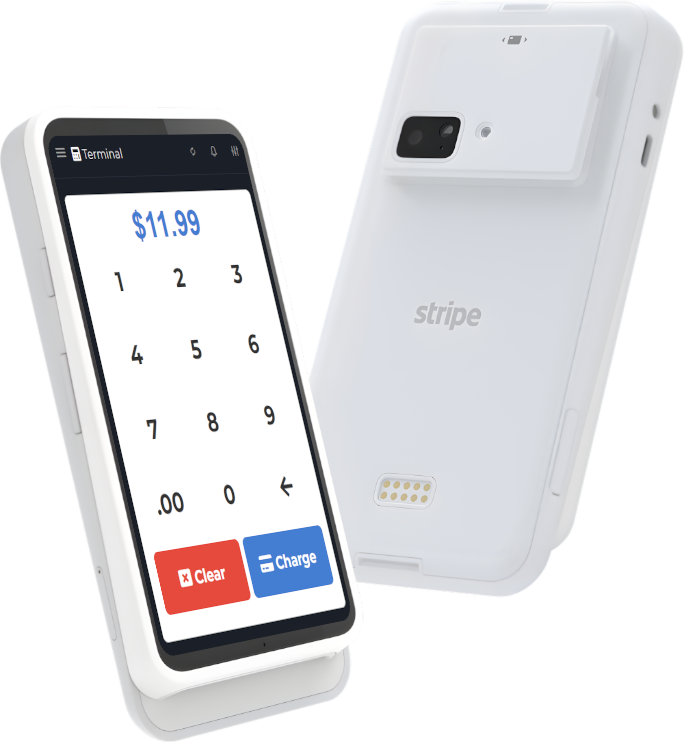
Rhythm only scales when it is in one system, not in fragmented notes. With M&M POS, teams can keep queue states, station notes, and communication history tied to the same transaction timeline. If your workflow is still split, download M&M POS and move one recurring handoff flow first, then add one supporting routine each week.
\nRole-based shift templates for recurring pressure windows
Pressure windows are predictable in most restaurants, even when demand feels random. Build two short templates per shift:
- Standard throughput template for normal flow.
- Recovery template for high backlog windows.
Keep each template to one page. Too many steps reduce adoption.
Throughput dashboard you can run daily
Create a simple daily dashboard with these six fields:
- open tickets at 15-minute intervals,
- handoff completion rate by station,
- backlog count by lane,
- new order pace,
- guest correction calls per hour,
- staff handoff notes completed.
Use this dashboard in pre-shift review and post-shift debrief. It is easier to improve when everyone is seeing the same numbers.
Controlling staff fatigue through routine
Fatigue is a throughput risk, not just a wellbeing issue. A fatigued shift misses steps and creates disputes. Keep routines short and specific: one check each 45 minutes, not random coaching every hour.
Design micro-break coverage into the schedule so one person is always alert for core handoff points. If fatigue patterns repeat, adjust the template before expanding operations.
Queue balancing without overstaffing
When one lane becomes blocked, do not just add labor if possible. First check whether routing rules are correct. Many queues grow because one station stays open too long with wrong priority rules.
If an overload happens, move one helper into a predefined lane and set a 20-minute recovery target. This is often enough to reset flow.
Communication rhythm to protect guest trust
Guests respond better to short updates than perfect speed. If completion will take longer than expected, communicate early with one transparent timeline. If updates are delayed and no reason is sent, complaint frequency rises and recovery cost increases.
Create a one-line status update rule in one place so every staff member can reuse it.
Coaching model for team continuity
Coaching is most effective when it is tied to specific moments. Run reviews after first rush, middle rush, and day close. Do not review only final numbers. Immediate coaching prevents bad habits from repeating overnight.
Over time, teams that coach by moments instead of months reduce onboarding cost and improve consistency.
Keep this model in one place with M&M POS for role notes and order context, and download M&M POS to run this workflow where the team already checks tickets.