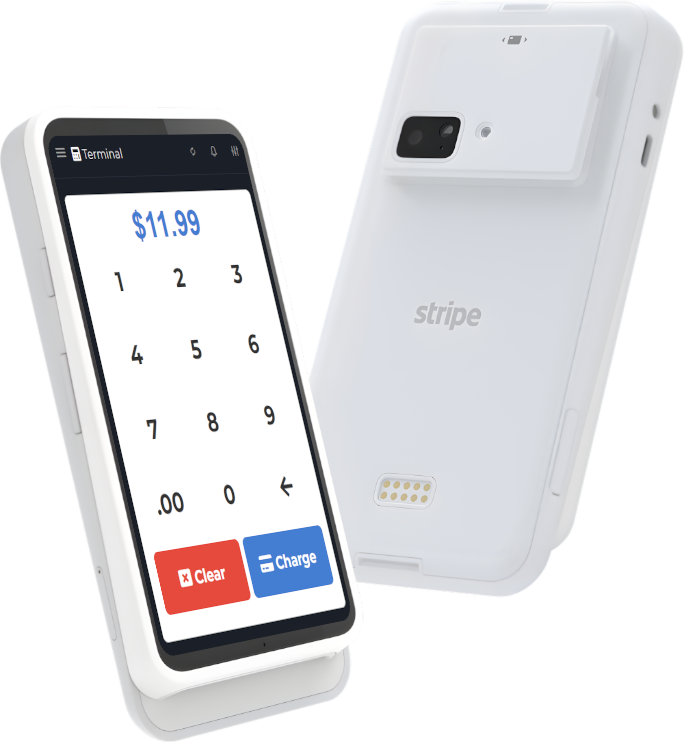


Prepare your team for card reader and payment changes with a checklist that protects uptime and guest trust.
If your checkout stops for even 10 minutes, your team notices it and your guests do, too. Payment reliability is one of those operations basics that sounds boring until it breaks. A small continuity plan is not glamorous, but it is exactly what keeps a POS business steady.
The goal of this checklist is to avoid surprise downtime from reader or payment workflow changes. Instead of reacting at close time, you prepare with repeatable checks.
Step 1: Keep one documented reader profile per store
Write down your active terminal type, app version, and support contact in one shared note. If you operate more than one location, make this per location. A lot of failures happen when one register is patched and another is not. You do not want that conversation when the line is growing.
Keep a simple status label for each reader: online, needs update, reserve needed. This is enough for triage.
Step 2: Pre-open payment test routine
Before doors open, run three live checks:
- One tap card transaction.
- One dip card transaction if supported.
- One offline fallback scenario.
Record results in your team channel. If anything fails, pause and fix before guest flow starts. Yes, this adds three minutes. It saves thirty.
Step 3: Track update windows, not just support tickets
Most payment disruptions come from missed update windows. Keep a recurring calendar reminder for:
- Payment gateway release notes.
- POS app update notes.
- Reader firmware changes.
When a new requirement appears, ask one person to summarize impact in plain language. Most updates are manageable. The issue is usually communication lag, not technology complexity.
Step 4: Build fallback playbook
Have a fallback script before peak periods:
- Who can process manual overrides.
- Which card brands should route to alternate entry.
- Where to print backup receipts if needed.
Teach it to everyone who can open registers. If staff knows the script, service quality stays stable when systems hiccup.
Step 5: Monthly continuity drill
Once a month, run one short drill where you simulate a partial checkout outage. Do not use real guest data unless you are confident. The goal is rhythm and confidence. Team members should know exactly where to log incidents and when to escalate.
Track drill timing, then compare to real incidents. If incidents keep recurring in the same area, simplify the workflow there before adding hardware.
Use metrics that actually matter
Two metrics are enough:
- Time to first successful payment after interruption.
- Number of affected transactions.
Do not hide behind dozens of logs. Focus on guest-facing outcomes.
How M&M POS supports continuity habits
M&M POS helps teams keep payment work and sales tracking aligned so your team can spot checkout health earlier. If your team can view orders and statuses in a unified flow, you can detect anomalies sooner and reduce guest inconvenience.
For a small team, this is what continuity looks like: fewer surprises and faster recovery. If you want to start this week, run the pre-open checks for two shifts, then add one monthly drill. Then keep one clean note per reader and one backup plan per staff role.
When your operations are steady, your team can focus on people and service instead of recovery mode. download M&M POS and use the core workflow to keep your payments reliable under pressure.
Three signs your continuity plan is aging
Even a good plan can become weak. Watch for these signs:
- Same reader issue repeats for two more than two shifts.
- Fallback steps are not followed because they are not written on one visible page.
- Staff waits for the owner before using fallback methods.
Each sign has a direct fix. If issues repeat, add one more preventive check before opening. If fallback steps are buried, move them to the POS workstation and shift board. If staff waits too long, set a confidence rule that allows two approved team members to escalate directly.
Make guest interruption a team task, not a hero act
Checkout reliability is a shared responsibility. One person should never carry every interruption alone. Assign one backup on each shift who can switch to alternate entry methods, and one support person who can log and recover orders. This lowers stress and keeps service from stopping.
Use training cards for high-fidelity issues. A short card can include: affected hardware, what happened, who to notify, and expected fix time. Keep language practical. A staff person under pressure needs one line that says exactly what to do.
For small businesses, continuity is less about replacing hardware faster and more about reducing recovery time when hardware does not behave. When recovery is fast, guest trust stays high.
Review your two-week incident notes and simplify any repeated action step. If a step takes too long, there is usually a better place to capture status or a missing shortcut.
Recovery drills that build real confidence
A drill only helps if it is repeatable. Keep your recovery drills to one scenario and run it once each week until everyone can do it without asking for help. Repeating one clear drill is better than one dramatic drill with too many moving parts.
Use this drill flow:
- Declare mock failure at register.
- Log who owns backup method and who logs incident details.
- Restore payment flow and process three test orders.
- Review what took the longest to reset.
Keep timing data for each step. If a step takes longer than normal, write a one-line fix and apply it before the next shift. This is where teams stop panicking and start practicing.
Also check your signage and scripts. Guests should never get silence during recovery. One line of status updates from your team lead can reduce frustration. Not perfect grammar, just clear info.
When payment continuity becomes predictable, everyone in the team can focus on what matters: completing orders correctly and keeping the guest experience calm. Your software and your team are stronger when recovery is owned, not improvised.
One final practical step: keep a 2-minute end-of-shift note for any payment event over 60 seconds. Note who handled it, which method failed, and whether the guest notice was sent on time. That habit catches issues fast and helps your team avoid repeating the same fix under pressure.