

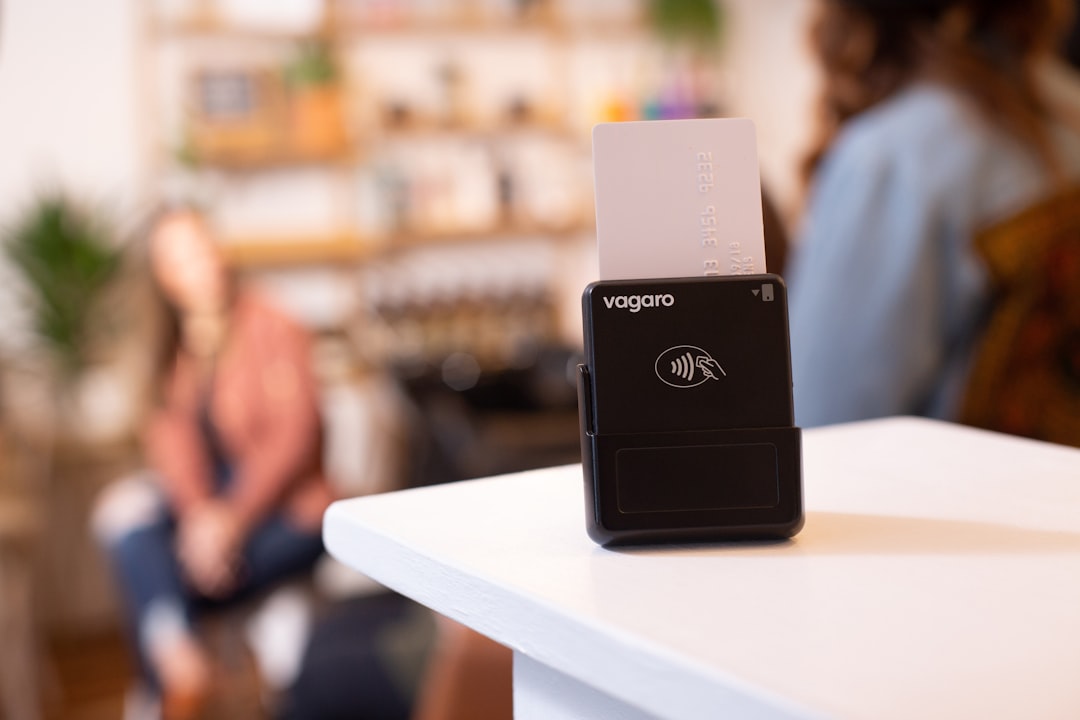
A practical framework for verifying, documenting, and communicating each step to reduce avoidable card disputes.
Many operators treat disputes as a tax you pay for doing business. In most small teams, many disputes are preventable. The goal is not to eliminate all fraud risk. The goal is to reduce avoidable payment issues through clear habits in checkout, communication, and documentation.
Dispute prevention starts before card entry. The first control is clarity in order and payment data. If the order details and customer expectations are vague, both trust and evidence are weak.
Step 1: Improve the payment capture pattern
Use a strict capture checklist every time:
- Confirm full guest name and contact method.
- Capture any special request exactly as written.
- Review tax and service line items before payment.
- Confirm delivery, pickup, or dine-in detail before final submit.
Staff should never assume these fields are intuitive. Human assumptions create charge disputes and increase support load. A simple confirmation script lowers confusion and supports later proof if a dispute appears.
Step 2: Strengthen communication before and after payment
Guests dispute less when expectations are clear. Use consistent language for:
- pickup windows,
- refund timing expectations,
- menu substitution rules,
- delivery delays and who owns updates.
Document these in confirmation messages so the customer sees the same promise in text. If communication changes mid-shift, update the same message thread instead of starting new notes in a different place.
Step 3: Build a lightweight evidence folder by shift
Dispute teams do not need a huge legal archive. They need consistent evidence for each paid order:
- payment authorization and amount,
- order summary with modifiers,
- delivery or pickup confirmation timestamp,
- staff notes for exceptions.
Keep this accessible in one place so staff can answer customer concerns quickly. If your team cannot produce a clear timeline, disputes become harder to defend.
Step 4: Use verification settings and monitoring
Modern payment settings can add friction if enabled blindly. Treat security as a layer that supports customer flow, not blocks it. Where possible, use staged verification rules that match transaction risk, so low-risk repeat customers do not repeatedly face friction while higher-risk patterns receive tighter checks.
Step 5: Create a dispute triage routine
Not every dispute is fraud. Some are misunderstanding. A weekly triage process helps you separate:
- service misunderstandings,
- delayed delivery claims,
- billing description confusion,
- actual unauthorized use signals.
Each category gets a different response script and evidence set. Train staff on this difference so everyone escalates correctly.
Connect reporting to real outcomes
Track these three numbers weekly:
- disputes per 100 transactions,
- dispute resolution time,
- recovery ratio on valid cases.
If the recovery ratio drops, review where order communication failed, not just where disputes came in. If prevention rules are good but resolution is weak, your team is still missing a reporting or communication gap.
Operational discipline over fear messaging
This is a confidence play, not a fear campaign. Do not overstate risk to staff. Give teams one calm script, one verification workflow, and one evidence template. That is enough to reduce avoidable losses while keeping service quality high.
For teams using one POS layer, this kind of control set is easier to sustain when billing, refunds, and order notes stay together. If you are ready to standardize this with fewer touch points and clearer workflows, you can start by using M&M POS and then download M&M POS for your team baseline.
Transaction-level proof in the right format
Small teams often lose quality because evidence is scattered. Keep one transaction record format with a fixed order: 1) order timestamp, 2) items and modifiers, 3) payment method and last authorization status, 4) dispute notes if any, 5) communications sent.
That format supports quick response and avoids guesswork when a case is disputed.
Differentiate delay disputes from true payment disputes
Most operators process every complaint the same way. Instead separate by type on first contact. If a guest is upset about timing, prioritize service and communication corrections. If the issue is card use, route immediately to the payment workflow with receipt and authorization details.
Staff scripts for first contact
At first contact, teams should answer three questions quickly:
- What was expected?
- What is now confirmed?
- What is the correction window?
If staff can answer consistently, disputes de-escalate and often close without chargeback.
Use periodic verification and review
Set a monthly review for the most frequent dispute categories. If one category repeats, it is not mainly a fraud issue. It is a repeat process issue. Fix the process, and document the change in checklists.
Improve cardholder confidence without slowing every checkout
Balance security and speed by applying stronger checks only where risk patterns justify it. This includes amount thresholds, mismatched addresses, and unusual behavior patterns. Staff can communicate this as a standard policy and avoid ad hoc friction.
Recovery communication that reduces escalation
When a dispute is open, guests mostly need timeline, not jargon. Keep recovery updates short: what happened, what you checked, when next update arrives. This reduces frustration and improves resolution quality.
Long-term discipline
Payment quality is not a single initiative. It is a loop of transaction setup, communication, records, and review. The loop works best when it is part of normal ops and not an afterthought in finance.
If you need a single platform to keep this loop consistent, connect your workflow to M&M POS and download M&M POS so your team can standardize payment data, notes, and exception handling.
Small team protocol for repeat disputes
When disputes repeat across similar items or channels, do not broaden investigation too far. Start with a narrow protocol. Choose one incident pattern and trace it backward through the workflow in order:
- order capture,
- payment step,
- service handoff,
- resolution script.
Assign one owner to document the trace and one owner to apply changes. If the same weak point appears again, then tighten one control and retest.
Protecting customer trust through language and timing
Disputes are often defused by speed, not perfection. A short status update with a realistic correction window can prevent escalation. The team should not hide behind generic apology text. It should give one clear next step and one clear contact path.
At month-end, review which disputes were reduced by better communication versus stronger technical checks. This prevents overbuilding controls where training alone could solve the issue. It also keeps staff confident because they can see progress in real terms.
Use this protocol to keep your payment operations calm under pressure. Keep every case tied to one record, one evidence set, and one follow-up habit. If your team needs a single place to keep this loop consistent, M&M POS and download M&M POS gives you a stronger baseline for reliable transaction handling.