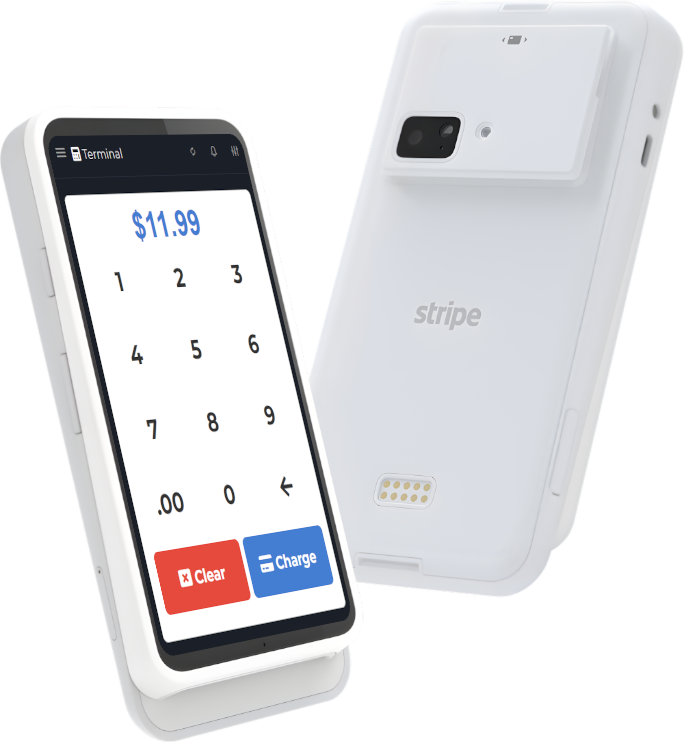


Build a single reliable POS workflow before adding new apps. Less chaos at the front desk usually means fewer errors and calmer teams.
Most small operators are not short on tools, they are short on attention. A new app for every problem feels productive in a meeting, then creates a chain of half-connected data by week two. One person cannot carry five dashboards while answering customers.
Start with one source of truth
If your store has separate places for inventory, customer notes, receipts, and staff schedules, you will eventually compare two versions of the same event. One says stock is available. Another says it is not. That mismatch creates delays, frustration, and support calls.
Small teams should resist the urge to "just try this new tool." Instead, choose one operational home for core data first. For most SMB workflows, that core is usually orders, inventory, and customer details in one place. Once this foundation is solid, add only tools that pull from that base and push back cleanly.
Sequence upgrades from floor risk down, not feature excitement up
Many failures come from adding a tool to solve a low-priority annoyance while the daily closeout routine is still manual. Ask one question: if this tool breaks, can we still run business? If no, it is not a good first add. If yes, it might be worth testing.
- First: stabilize item, price, and stock flow.
- Second: stabilize receipt and order flow.
- Third: stabilize reporting and trend review.
- Fourth: test optional automation helpers.
This order sounds obvious and boring, but boring order wins for operators who need reliability under pressure.
Automation should remove repeat work, not create it
Practical automation starts with repeatable cleanup tasks: recurring menu updates, basic follow-up reminders, routine email receipts, and standard stock recount flags. If your automation writes itself into a process no one understands, then it creates noise, not value.
Use AI for low-risk writing and sorting tasks first. For example, AI can help clean notes into standard labels for support tickets, or suggest a simple customer follow-up language. It should not decide pricing, and it should not replace training decisions. Keep your team in control of the real business rules.
How to avoid integration drift
Integration drift happens when one app receives new fields and your main system ignores them. The first sign is usually duplicate inventory entries or missing refunds. To prevent this, set a weekly check: verify that a sample sale appears the same way in all reports, and verify that staff can find the same customer record without switching apps.
If drift appears, pause all optional automation changes for one week. Fix the core flow before adding improvements. Most operators assume one more integration will solve the issue. Usually the issue is the same integration path running without shared standards.
Team habits beat software talent
Teams are the true integration layer. Teach one recurring habit: log issue and owner before solving a weird behavior. If a bug appears at 8 PM, a short note can prevent the same issue at 8 PM next week. This habit is as important as choosing the right connector.
Use short team rituals after each shift: one line for sales, one line for inventory exception, one line for customer issue. A 45-second ritual often catches problems before they become expensive.
Where M&M POS fits
download M&M POS works best when you treat it as your operations spine instead of one more disconnected feature pile. A unified spine means each tool either gets clearer data from the POS or sends useful, structured data back to it.
You do not need a perfect architecture to start. Start with fewer moving parts, cleaner habits, and one useful baseline dashboard. Upgrades done in that order usually feel slower at first, but you spend less time fixing surprises by Friday night.
How to avoid tool drift in practical terms
Tool drift starts when each team member assumes their tool is the source of truth. In practice, you need one trusted source and one simple rule for each exception. Without that, small changes turn into hidden rework.
A good practical standard is one team data table for active items and one event log for adjustments. If data from a loyalty app or scheduling app is delayed, keep it marked as delayed until confirmed, and do not let it overwrite your live order table. This simple status marker reduces confusion during close.
Build your minimum operating layer
There is a minimum layer every SMB should keep and improve before adding new features:
- Sales input and correction path.
- Stock decrement and return handling.
- Customer contact and note capture.
- Simple role permissions for who can adjust what.
When that layer is solid, your team can think straight. If one part changes, everyone knows where to look.
The hidden cost of "quick wins"
Quick automation wins can still create long debt if they remove visibility. For example, auto-generated notes can be useful, but if no one reads them, the team loses a chance to learn. Ask before every automation: who will use this output, and how soon?
Another common issue is report duplication. Two reports with similar names and different date ranges make the same data look contradictory. You then adjust pricing or staffing based on wrong assumptions. Spend one day standardizing report names and runbook steps before adding new dashboards.
Human roles in the automation era
Do not automate away your team sensemaking. Keep one role or one routine for spotting unusual patterns each morning. A small team might call it a "10-minute review," but it can save hours later in billing corrections and customer disputes.
Use AI to draft short summaries only after data is validated. The AI summary is useful when it saves typing, not when it decides the decision. Keep the decision in staff hands.
A migration plan that works in small teams
When replacing a stack, migrate one process at a time. Do not turn everything off on Monday and hope for smoothness by Friday. Pick the process with highest risk, run it for one week, then move to the next.
For teams using M&M POS, this rhythm is often: closeout checks first, then item-level visibility, then customer notes, then optional notifications. Your team gets used to each layer before the next one lands.
And if progress slows, that is not failure. It is a sign the team is adapting with care. Slow adaptation is expensive sometimes, but chaos is usually more expensive.