
A practical menu pricing routine to protect margin under higher food costs without confusing customers or dropping sales.
Food costs move in waves. Some weeks are calm, then a supplier call lands and everything suddenly feels expensive. Teams either raise prices too late or raise them too fast and lose walk-ins. There is a steadier way.
This guide is for owners and managers who want pricing control without complicated spreadsheets. Think of it as a weekly margin routine, tuned for small teams.
Before changing menu prices, confirm your baseline. You need three numbers each week: food cost by category, sales mix, and waste level. Without all three, pricing decisions are half-blind.
Step one: separate hard cost from soft cost
Hard costs are what you buy: meat, produce, packaging, dry goods. Soft costs are labor, utilities, rent, and shipping noise. If you only watch hard costs, you miss the full margin story.
Use your POS reports to see what people actually buy. If burgers sell steadily but fries spike only in weekends, you can adjust differently than with a one-size price model.
Step two: keep a category lens
Do not chase one perfect menu margin. You need a category lens. A category can be drinks, proteins, sides, and family bundles. You want to compare margin trend by category, not just total margin.
If one category is healthy and one is shrinking, you can rebalance promotion and portions before pricing surgery hurts volume.
Step three: use a gentle pricing ladder
Big jumps on one item can feel unfair to customers and staff. Use a gentle ladder instead: modest increase on high-risk costs, stable prices on best drivers, and small bundle nudges where volume is steady.
For example, if lettuce costs rose sharply, it may be smarter to adjust one side item in a bundle than to raise all prices at once. This keeps the menu structure familiar while still protecting your margin.
Step four: adjust portions before you adjust only prices
Portion strategy can be your quiet advantage. If ingredient volatility is real, tune recipes with chef approval and customer clarity. Slightly smaller serving for side items or recipe-standardized prep can improve margin without a dramatic menu redesign.
Be transparent with your team about why it changed. Staff who understand the reason can explain it calmly if customers ask.
Step five: add a weekly price-watch note
Put a price-watch note on your management board each Monday. It should list:
- three fastest cost-moving items
- one category that improved margin
- one customer behavior signal from the previous week
- a plan for the next two days
Most teams do this once a month and call it strategy. For small operators, weekly is better.
How to avoid customer backlash
Customers tolerate price changes when the menu still feels fair. They feel pressure when communication is unclear. Keep two practical habits:
- Do not change too many prices in one section.
- Frame value clearly with portion and quality consistency.
Small, explained changes are easier to accept than one large jump that feels sudden.
Use reporting to test, not guess
After a change, wait at least 10 days before concluding. Look at basket mix, item-level sales, and repeat visits. If one item drops too hard, either its value story is weak or the increase was too large.
If sales hold and margin holds, scale confidently. If not, adjust and document the reason. The key is learning fast, not avoiding action.
Labor and food volatility can be managed together
When labor pressure rises and food costs rise together, teams often freeze action. That freeze is expensive. Use pricing and labor in the same weekly meeting. If one menu day is overstaffed and underperforming, shift labor to better-selling windows and review menu timing there.
Small businesses cannot solve everything with price. But they can avoid margin erosion with a reliable routine.
Your manager checklist at closing
End each week with one close checklist: which items moved well, which cost shifts happened, and which two changes to test next week. Keep it short and visible. That habit keeps future pricing stress manageable.
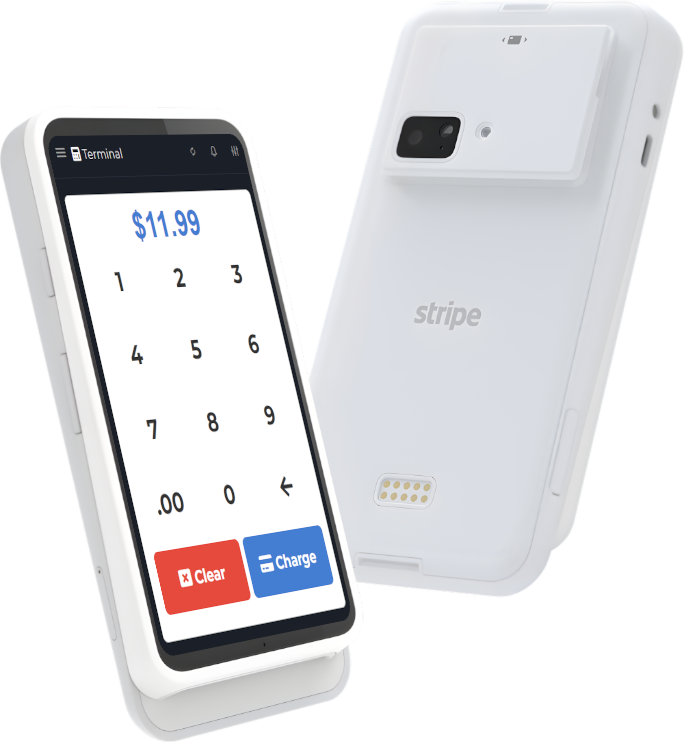
If you want the reporting loop and pricing signals in one system, If you need to explore the setup quickly, visit M&M POS and download M&M POS. and tie menu, ingredient, and sales tracking to one operational rhythm.
And now, yes, this is how you protect margin without needing a spreadsheet that runs into five tabs and three printouts.
How to protect customer trust while updating prices
When cost pressure hits, teams often skip the explanation part. That is where trust drops, even if pricing logic is strong. Keep a short reason box in your menu change message: what moved, why it moved, and what stays steady. Customers can accept a price change when they understand value still matches.
For example, if produce and dairy costs rise, you can keep the most popular combo structure steady and adjust one supporting side. That lets customers keep their familiar habit while the team protects margin.
Menu psychology that supports margin
Use names and descriptions as guardrails. People respond to clarity. If a higher-cost item is still your top picker, pair it with a simpler topping plan and a clear serving note. If a lower-cost item is your helper item, make it easier to order with a simple suggestion, not a complex promo rule.
Keep the language simple. Chef choice includes ... is better than a 3-line math story. The point is not to hide cost. The point is to keep decision points clear.
How to use labor with pricing changes
Labor can quietly destroy margin when pricing changes increase complexity. If every staff member explains a different reason for a price change, customers hear noise. Give one short script and one backup line. Consistency saves time and protects confidence.
Use the script in team huddles, then let staff adjust tone naturally. This keeps operations smooth without making teams sound scripted.
Weekly margin review rhythm
Pick one day each week to review margin movement with one screen only: top movers, top losers, and one adjustment decision. You do not need a full dashboard session yet. You need only enough signal to decide whether the current routine still makes sense.
Consistency over volume is your advantage. Smaller teams win by adjusting in steady motion, not by reacting with one expensive price shock every month.