
A practical, low-hardware guide for small stores and cafes to make checkout smoother with contactless and phone-based payments.
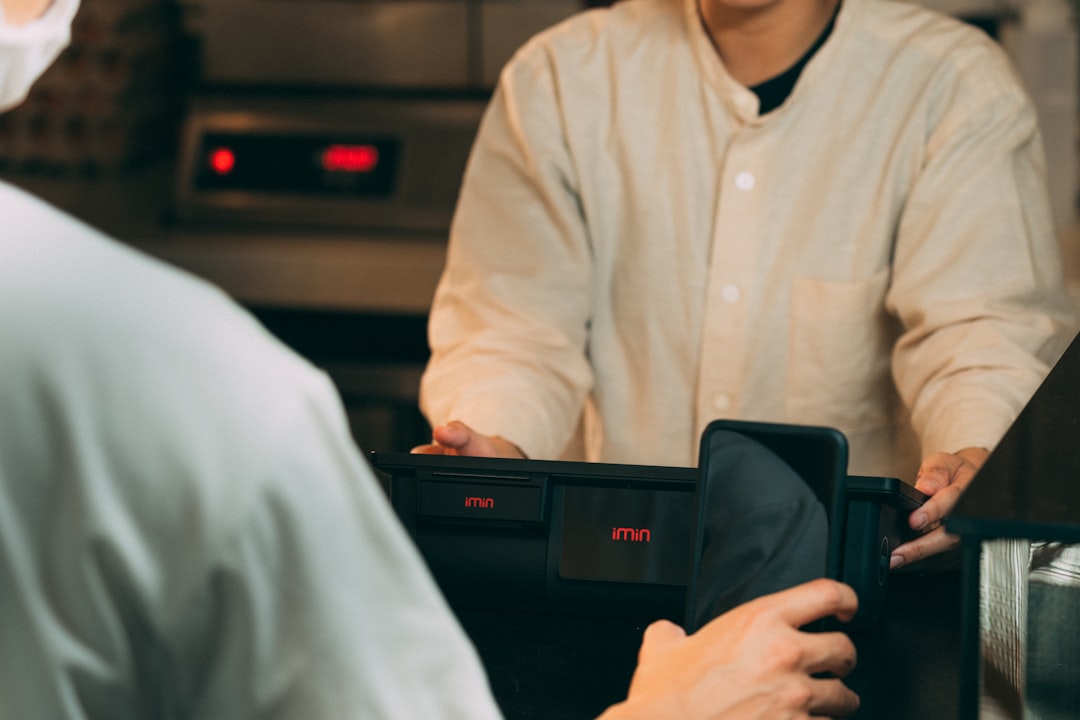
On a Friday night, the line at my local corner store looked like a patient queue at the DMV. One cashier, one card swiper that beeped twice per sale, and a customer at the front asking, 'Can I tap and go?'
The question gets asked more often than ever, and that single sentence tells you where the checkout game is now. Your team is not just taking payment, they are managing an expectation. Customers are used to pulling out their phone at a bakery counter and tapping once. If they need a long explanation or a second step for every purchase, they may not be angry because of the tech. They are just ready to leave.
For many small businesses, this feels like a trap: customers want modern pay options, but hardware feels expensive, and old POS terminals are already maxed out. The good news is you can usually improve speed and reliability without replacing everything in one go. Contactless readiness is as much about behavior and setup as it is about cards and cables.
Think of checkout as a hallway, not a machine room. If traffic moves cleanly through the hallway, any decent lock can handle the door. If traffic is messy, even the newest terminal will look broken.
What customers are really asking for
Most people are not asking for your POS to become complicated. They are asking for three small things: confidence, speed, and clarity. Confidence means the payment gets done. Speed means no extra steps. Clarity means they know what happened at the end and the next step is clear.
Those expectations can be met with contactless cards, phone wallets, and scan-to-pay flows when your team has a repeatable sequence. The technology usually works fine; the process often does not.
Why small stores can do this better than they think
Big chains can absorb a messy rollout with dedicated teams. A small store cannot. You have two people on lunch shift, one of them is answering questions, and the other is scanning goods. That is exactly why a simple rollout is your edge.
When you plan for fewer steps, you protect your people. A simple rule: pick one checkout pattern and repeat it until it is boring. Boring here is good. Boring means trained, reliable, and predictable.
Before you touch settings, fix the flow
Most checkouts fail for a non-technical reason: the sequence changed without a script.
For example, one team asks for a coupon first, then the card. Another asks for payment first, then a membership number. The shopper hears each method as a tiny coin toss. A tiny delay here becomes a long line there.
Write a two-part script your team can follow:
Step A: confirm what is being bought. Keep it to item count and final total. No detours.
Step B: choose payment type before bagging. If it is contactless, you know whether a signature step is needed or not. If it is split bill, you can handle it before items are moved apart.
That small change sounds trivial. In practice, it helps during your busiest 30 minutes, when cognitive load is highest.
Weekly rollout plan without adding devices
- Pick one payment mode to lead with. If phone wallets and cards are common, teach that first. Staff should be able to explain it in 20 seconds.
- Use one shared order status pattern. In every POS queue, mark whether the sale is awaiting payment, completed, or held for split tender.
- Let one person own queue resets. At day start and changeover, that person checks payment mode settings, receipt options, and refund rules.
- Run one 10-minute drill. Not during lunch. Use a slow hour: one fake order, one split bill, one failed tap simulation, one mobile wallet reversal.
- Track three signals only: tap-fail rate, repeated customer prompts, and staff override calls. If these shrink, the setup is working.
If you want a mental model, imagine a train station: one platform for payment type, one clear departure board (receipt state), and one quick check with the operator before the peak arrives.
A smooth checkout is not magic in the machine; it is clarity in the team.
Three common mistakes that create fresh lines
Mistake one: turning every transaction into a new exception path. If a phone pay can be done quickly, do not force extra verification screens on every customer.
Mistake two: teaching too much at once. When everyone remembers a different flow, your lane speed drops even if every feature works.
Mistake three: ignoring exceptions until they become routine. The first failed tap is okay. The hundredth failed tap means your setup is missing a standard response, like a clear retry phrase and alternative path.
The service side: this is team psychology, not gadget fatigue
People think hardware limits are the reason lines hurt. In reality, uncertainty hurts more. Your team wants to help, but if they fear making a payment mistake, they slow down naturally. Build confidence, not heroics.
Try a simple language shift in training: swap the phrase how do we save this with how do we finish it in one flow. Put a script on the counter if needed. A short line like, No problem, I can take that with phone or card, then watch me do one clean step, lowers anxiety for staff and shoppers.
When tap-to-phone is a better move than new hardware
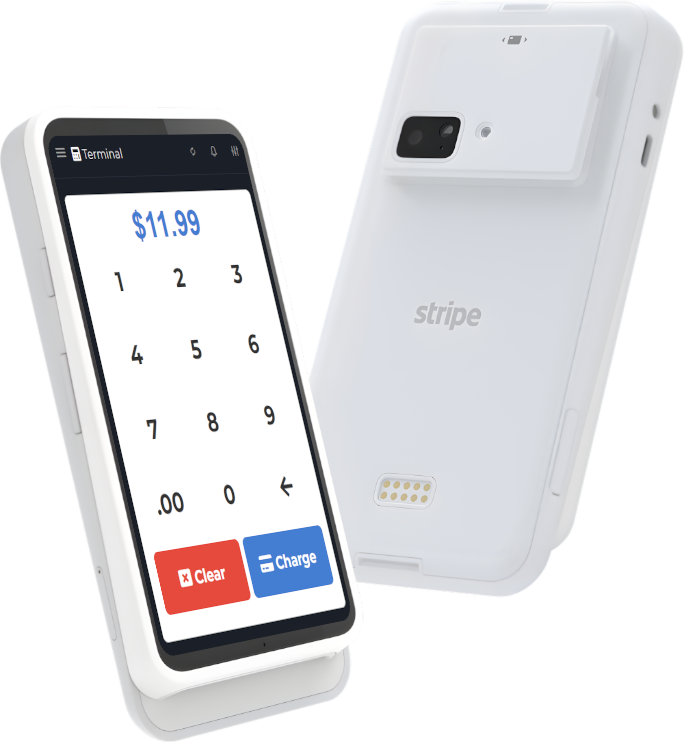
A lot of teams assume they must buy more countertop devices. In many cases, modern phone-based flow gives you the same speed boost without an upgrade cycle.
Use your existing POS as a control point and route more interactions through preapproved wallet or scan methods when possible. Keep manual card entry and signature flows as backup, not the default. This is less about the latest hardware and more about using a calmer default pattern.
One last practical checkpoint
Check your flow on three real moments:
Before peak: Are staff positions set so one person collects payment exceptions without blocking the main lane?
Mid-peak: Are people rerouted cleanly from in-person queue to mobile or takeout channel without repeating item confirmation?
After close: Do you have a short log of what failed and who solved it, so training follows actual incidents, not theory?
Small business math you can trust
We do not need a spreadsheet full of fancy percentages to know if this is working. Trust your own rhythm.
If the line shortens, questions repeat less, and staff can reset the register without stress, checkout is already improving. If your team feels less tense during the same rush, that is often the earliest signal that your process is sound.
Need a practical starting point?
Start with one branch of your operation this week, train one lead, and run one scripted flow for every transaction type. If your team can explain it in a consistent way, you have moved the needle. If not, tighten the script before buying anything.
For teams that want to standardize this quickly without turning checkout into a software course, download M&M POS and build your first lane with one clear payment path, one clear exception path, and one clear retry rule.