

Protect margins with reliable promises, service scripts, and reporting that turns repeat behavior into a compounding process.
Many operators assume retention means adding more discounts. In high-pressure markets that often backfires. Lower margins cannot support a discount loop forever. Retention that lasts longer comes from consistency: reliable timing, predictable quality, and clear communication. Teams that make these three promises and keep promises reduce churn even when demand is uncertain.
Build a consistency standard before promotion ideas
Start with measurable reliability moments. A service message that promises pickup in 20 minutes should match actual timing. A return process promise should happen in a stable time box. A loyalty note should be logged and acted on, not just sent. These are retention anchors because they reduce the guesswork customers associate with your business.
Create a realistic expectation policy
Promise less, and deliver more. Teams that overpromise force exceptions. A practical policy:
- Publish realistic pickup windows.
- Update customers quickly when delays occur.
- Close out every complaint with an action owner.
This policy sounds administrative, but it directly affects repeat purchase behavior. Customers remember consistency more than a one-time discount.
Use reporting to identify service reliability
Tie retention effort to real signals:
- Repeat purchase by customer segment.
- Complaint recurrence by category.
- Resolution time by agent and shift.
- First response consistency to post-sale questions.
If repeat purchase drops while new acquisition rises, something about retention is broken even if weekly signups look fine.
Convert friction points into scripts
Customer frustration usually follows repeated friction: unclear updates, slow follow-up, unclear refunds. Convert each common friction into a script.
- Late pickup: message to customer, internal reassignment, and automatic credit policy threshold.
- Wrong item: capture photo reference, trigger fix flow, and communicate eta.
- Billing concern: include order summary, payment reference, and closeout owner.
Retention content and sales rhythm
Consistency plus useful communication can reduce dependency on constant new-customer campaigns. Use customer records to segment what message matters next:
- High frequency buyers: maintenance offers, no spam.
- New customers: onboarding and first expectations.
- Dormant customers: clear, short re-engagement prompt with real value.
Measure cost of retention actions
Track how much each retention action costs and what result it creates. A costly reward campaign may create short spikes but weak margins. A process improvement may create slower growth but stronger lifetime repeat value. The right mix is usually heavier on process reliability and lighter on discount depth.
Sales + service link that actually works
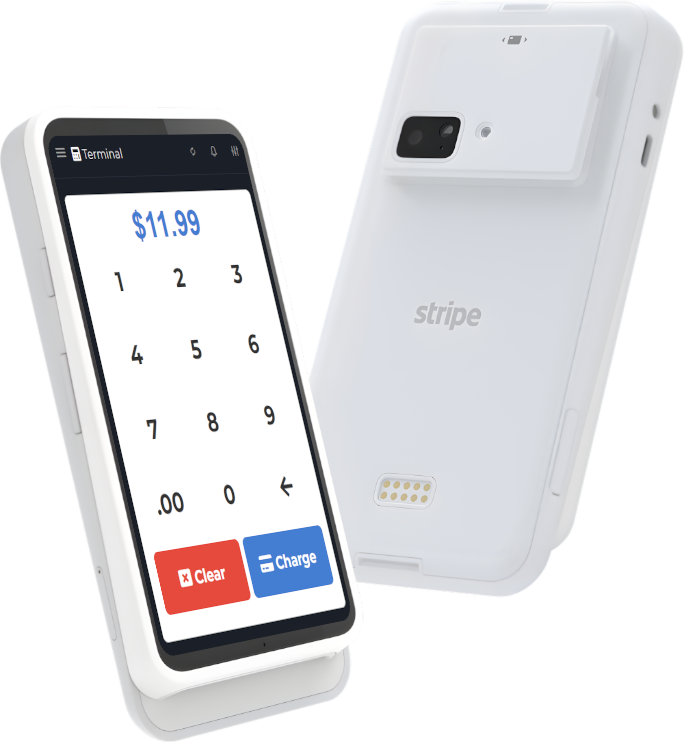
M&M POS can provide a shared view of sales, returns, and service events, helping teams make grounded decisions. Use one shared weekly review: what promise broke, why, and what changed. Keep the review short, but repeat it.
Use data to defend the team
If a team is under pressure, they need a process that protects both service and margins. This review gives proof of what improved and what still needs adjustment. For faster rollout, download M&M POS and align on consistent service and reporting steps.
14-day execution sequence
Week one: define the three promises you will never overpromise. Week two: build complaint scripts for top three friction points. Week three: segment follow-up messages by customer maturity. Week four: review repeats and margin contribution after closing the loop.
Design retention meetings for decisions, not storytelling
When review meetings become story sessions, teams lose clarity. Use a fixed template with three rows: signal, root cause, action by date. This keeps the meeting operational and prevents the team from debating opinions instead of outcomes.
Protect long-term loyalty with small, repeatable asks
Ask existing customers for feedback with a short cadence and simple response handling. If you ask too often, quality drops. If you ask rarely, you lose early warning. Choose one reliable cadence by segment and keep it steady.
Consistency reporting as a team scorecard
Use one page that tracks three consistency signals: promise reliability, complaint resolution, and re-engagement response. This one page should drive weekly planning and coaching conversations, not an internal argument map.
Retention playbooks for service-heavy teams
Create a short playbook for each retention category: late delivery, wrong item, billing question, and feature confusion. Each playbook includes the first message, the internal owner, and the backup action if the first step misses.
Move from reactive to proactive retention reviews
Reactive reviews happen after complaints. Proactive reviews happen at preset times based on actual data windows. Use retention health windows for weekly, biweekly, and monthly reviews so teams catch weak signals before complaints become repeat cycles. This is a practical way to defend margin while still improving long-term value.
Build customer comfort with predictable updates
Every team can answer questions quickly for some, but not for all. Define default update intervals based on issue complexity. If an issue usually needs under 24 hours, provide a check-in message and final resolution target. This builds confidence because customers see movement even before completion.
Use margin-safe incentives
Incentives should be used for value recovery, not revenue leakage. A margin-safe offer has three traits: limited scope, tied to a defined issue, and tracked against repeat probability. Avoid open-ended incentives because they train guests to wait for discounts and weaken long-term behavior.
Align sales and service goals
If sales targets rise while service confidence falls, teams will overcompensate and create short-term artifacts. Set a shared score that includes conversion and retention quality. Teams that perform well on both goals are usually easier to scale because they reduce hidden recovery work.
Measure retention as behavior, not promise
Track guest behavior after support resolution: repeat booking, repeat visit, and follow-up message response quality. Promises alone are not enough. Behavior confirms whether consistency standards are actually landing with guests.
Define a minimum consistency score
Set a minimum retention consistency score for every team: complaint reply within target time, first follow-up before end of day, and repeat resolution before next contact. This simple score prevents teams from skipping process steps during busy periods and gives operations a concrete target.
Track one improvement at a time
Retention systems improve when teams change one routine per period. If five routines change at once, behavior drift follows. Choose one measurable retention promise, train it, test it for a full week, then move to the next one. This creates stable progress under pressure.