

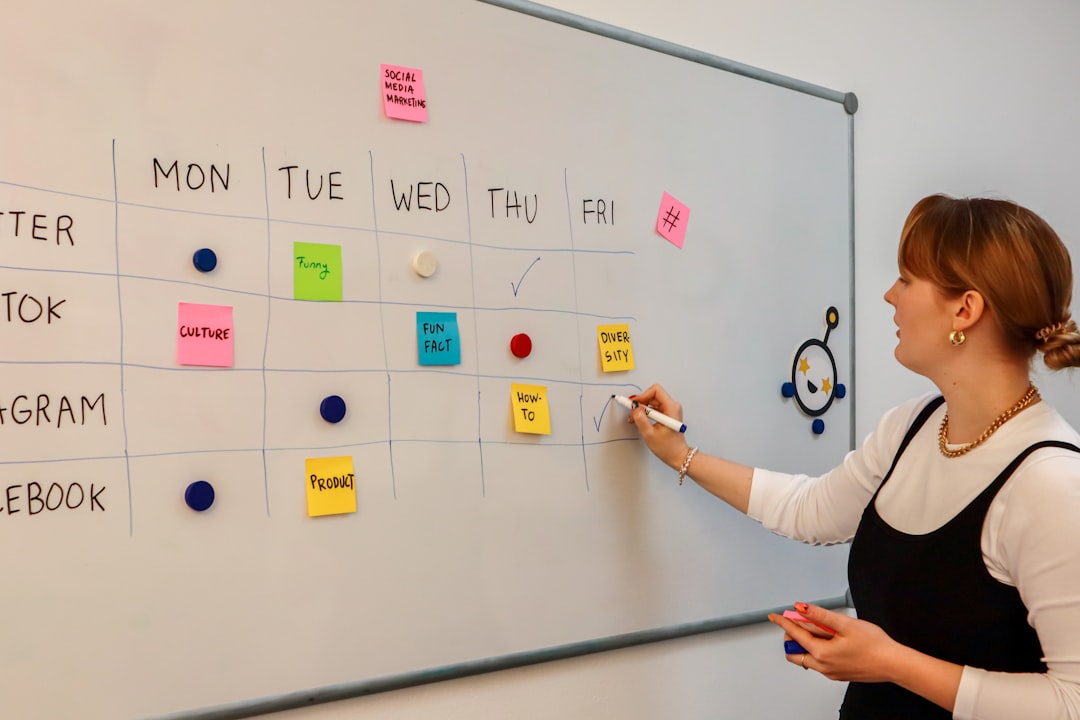
Use demand blocks, role clusters, and reporting loops to reduce scheduling stress without overstaffing.
Many operators describe the staffing challenge in one sentence: "I always feel understaffed." In reality, the issue is often visibility, not just headcount. Demand changes by hour and day, but many teams still staff by broad habit. A shift model that adjusts by demand windows and service standard can reduce both cost leaks and hiring stress. The same logic works across restaurants, retail, and service workshops, especially in 2026 where labor markets are changing but still active.
Build demand blocks from real sales rhythm
Do not start with staffing tables. Start with the sales rhythm by daypart and channel. Use the POS to capture these blocks:
- Peak open windows by channel (walk-in, online, phone, pickup).
- Average order value and average handle time by hour.
- Cancellation and edit rate by hour.
Each block should have a base staffing minimum and a surge range. Base is the minimum team that keeps quality from collapsing. Surge handles spikes and special events.
Separate volume tasks from care tasks
Busy teams usually over-assign everyone to every task. That creates weak accountability. Define role clusters and task owners even when headcount is low:
- Volume tasks: order intake, fulfillment start, and queue balancing.
- Care tasks: complaint triage, modifications, and guest reassurance.
- Control tasks: closeout checks, exception cleanup, and reporting.
This split keeps operations stable because care tasks do not disappear when volume peaks.
Use forecast-led scheduling
Shift planning becomes more accurate when it starts with forecast signals instead of pure habit. A simple weekly loop:
- Collect three weeks of sales and conversion signals.
- Rank days by expected demand and cancellation volatility.
- Assign staff to blocks with clear backup coverage, then lock.
Forecast-led schedules reduce panic changes. Staff know why they were scheduled, and supervisors can justify coverage decisions when service requests rise suddenly.
Protect onboarding as part of staffing risk control
High turnover does not disappear. What changes is impact. New team members should be ready by a predictable routine:
- Day one: channel overview and checkout guardrails.
- Day two: repeat and exception handling script.
- Day three: one supervised full flow and end-of-day reconciliation.
Create a scheduling scorecard, not just a roster
Use a weekly scorecard with these fields:
- Hours scheduled vs hours worked.
- Service load per staff hour.
- Quality score for handoffs and exception cleanup.
- Manager notes from top three incidents.
Scorecards are not about blame. They are about pattern detection. If two shifts fail in the same block, staffing quality and not random luck is likely involved.
When hiring remains needed, hire for routine fit
As labor indicators improve, hiring can resume but role fit still matters more than broad speed. Prioritize applicants who are calm in peak windows and precise in data capture. This reduces future training cost and supports consistency.
Apply the model to POS and inventory tasks
Retail teams often separate staffing from inventory labor. Treat them as linked. If inventory tasks are underloaded during peak sales windows, stock errors rise. If fulfillment is underloaded during slow windows, reconciliation slips. Use one schedule map for sales and stock labor. A map that links both sides makes cross-training meaningful.
Close the loop with clear reporting
By combining staffing and operations in one review, teams can see if changes helped. Track labor cost per processed order, average service completion time, and exception rate by shift. These three numbers are not just finance and operations. They are retention drivers and stress reducers.
Execution path
Use M&M POS to keep this data visible across shifts and team members. Document one block at a time, test it in a single location, and scale. For teams ready to standardize quickly, download M&M POS and align scheduling, handoff logs, and closeout tasks in one dashboard.
14-day rollout
Week one: build demand blocks and role clusters. Week two: run forecast-led scheduling for two shifts. Week three: add onboarding and scorecard routine. Week four: tune staffing and publish updated schedule playbooks.
Labor-aware menu for tasks
When staffing is limited, prioritize which tasks can pause and which must not. A simple rule: all customer-facing promises, payment completion, and cash controls must always have coverage. Non-urgent cleanup can move. This reduces pressure because teams know exactly where tradeoffs are allowed.
Make scheduling transparent to team leads
Share the demand blocks with shift leads before finalizing rosters. If leaders can see why a shift needs extra support, they can coach better and reduce last-minute dissatisfaction. Transparency also improves accountability because leads can identify where forecast assumptions were off.
Reduce overtime without chaos
When demand overruns, overtime is often the first fix. Before adding overtime, test whether shifts are clustered correctly by labor skill and channel demand. In many cases one role swap saves the same time as an extra hour.
Hiring cadence under changing labor demand
Use a bi-weekly hiring cadence with strict role expectations. Instead of broad calls, ask for one scenario-based task and one process reliability task. That single filter catches candidates who can work under structured routines.
Build staffing decisions from operational evidence
Volatility scheduling works better when decisions are driven by demand and not emotion. Use one weekly evidence packet with three numbers: expected demand by hour, current queue stress score, and completion SLA by order type. If queue stress rises on a low-demand day, the root cause is usually task mix, not demand. In that case, adjust role design before increasing headcount.
Create a role handoff standard
When teams switch tasks frequently, mistakes rise. A role handoff standard lists exactly what must be handed over and what can wait. Include ticket state, customer notes, inventory risks, and expected completion time. A clear handoff keeps tasks from drifting between team members and protects service reliability.
Use forecast checks before adding staff
Each scheduling change should pass a forecast check. Forecast checks compare the proposed roster with historical demand bands and expected cancellation volatility. If mismatch is high, the schedule is likely overbuilt or underbuilt. This test should happen before posting to the final calendar.
Turn overtime into a last-mile control
Use overtime only when operational risk is high and no safe internal redistribution is available. If team composition and task roles are already mapped, overtime can be reduced through internal role balancing. This often creates more control than raw extra minutes.
Build a two-layer staffing dashboard
Use one dashboard for volume and one for quality. Managers can see volume coverage by channel while staff leads track handoff quality and exception load. If one layer declines, staffing decisions should start there.