
A practical, frontline playbook to reduce refund fraud, return abuse, discount leakage, and employee shrink with clear POS rules, manager approvals, and simple audits.
Refund fraud is having a moment. Not because small businesses suddenly got sloppy, but because the tools and tactics got cheaper and faster. On the fraud side, there is more automation, more social engineering, and more "it looked totally normal" moments. On the operator side, there is more pressure to keep lines moving and keep customers happy, which can unintentionally create gaps.
The good news: you do not need a giant security team to tighten things up. You need a playbook that is easy for cashiers to follow, easy for managers to enforce, and easy for you to audit.
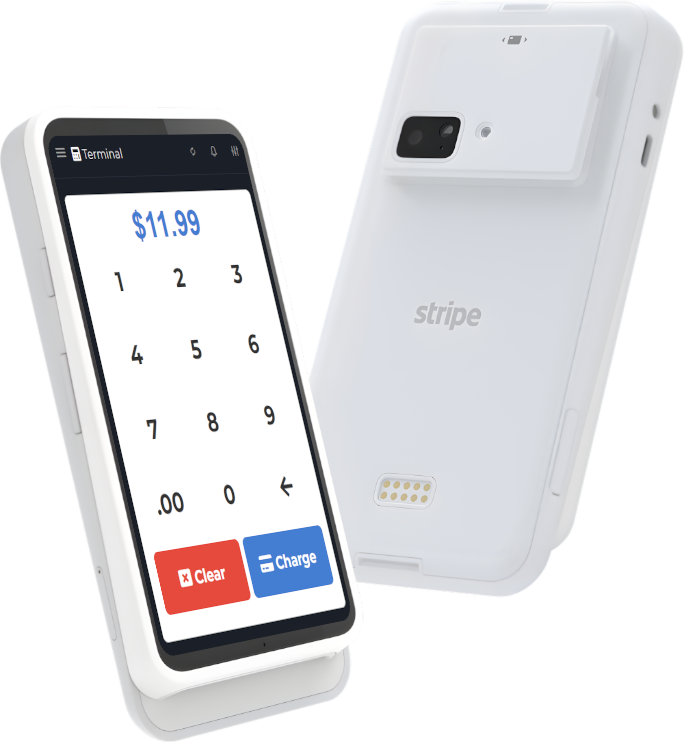
This is exactly where a reliable point-of-sale matters. If your POS cannot consistently record refunds, voids, discounts, and reasons, you end up "investigating" by vibes and memory. If you want a modern, practical POS you can run across devices, start with M&M POS (and grab the download M&M POS so you can test workflows without waiting).
The real enemy is ambiguity
Most return fraud is not a masked stranger sprinting out the door. It is ambiguity:
- "We normally allow it" (but who is "we"?)
- "Just do it this one time" (and now it is the new normal)
- "I do not want a bad review" (so the rules are different depending on who is on shift)
Your goal is not to be strict. Your goal is to be consistent.
A simple return policy structure that works
Write your return policy like you are writing it for a brand-new employee on their first Saturday rush. Keep it short and operational. Here is a structure that tends to work:
1) What qualifies for a return?
- Unopened items within X days
- Defective items within Y days
- Final-sale categories (clear list)
2) What is required?
- Receipt or order lookup (preferred)
- Original payment method for card refunds when possible
- Manager approval for no-receipt returns over a threshold
3) What is the default remedy?
- Same payment method refund
- Store credit (when policy allows)
- Exchange (when practical)
4) What is the escalation path?
- Cashier decision scope: up to $X
- Shift lead: $X to $Y
- Owner/GM: $Y+
Once you have the policy, your POS should reflect it. That means: forced "reason" prompts for refunds, manager PIN requirements above thresholds, and consistent tracking of who performed each action.
The highest-leak actions to lock down
If you only tighten five things, tighten these five. They are common, and they are where casual shrink hides.
Refunds
- Require a reason code for every refund.
- Require manager approval above a threshold.
- Make "refund to cash" rare and auditable.
Voids and post-payment cancellations
- Track voids separately from refunds (they represent different risks).
- Force a note when voiding after items were scanned or after a receipt printed.
Discounts and overrides
- Separate "promo discounts" (planned) from "manual discounts" (exceptions).
- Require a reason for manual discounts.
- Limit who can apply 100% discounts.
Gift cards / store credit issuance
- Treat store credit like cash.
- Require manager approval to issue above a threshold.
- Log the original transaction reference when possible.
Price edits
- Allow price edits only with a reason (damaged box, price match, etc.).
- Review the top price-edit users weekly.
A story-driven rule: make it easy to do the right thing
Here is a scene I see all the time in small businesses:
A customer comes in with a return. The line is growing. The cashier wants to help. The manager is in the back. The customer is confident and in a hurry. The cashier thinks, "I can fix this quickly."
The fix is not to shame the cashier. The fix is to make the POS workflow do the coaching:
- When refund is selected, POS prompts for reason.
- If "no receipt" is selected, POS prompts for manager approval above $X.
- If refund to cash is selected, POS forces a manager PIN.
That is why we like guardrails that live in the system, not just a binder. If you are building or upgrading your workflow, M&M POS is worth a look because you can set up your catalog, ring sales, and start validating your return routine quickly (start with the download M&M POS).
Weekly audit: 30 minutes, not a detective novel
You do not need to review every transaction. You need a short weekly routine that surfaces patterns:
- Top 10 refund users (by count and by dollars)
- Refunds without receipt over threshold
- Cash refunds (should be rare)
- Manual discounts by employee
- Voids after print or late voids
When you see a spike, ask for context first. Many issues have legitimate roots (training gaps, confusing items, mispriced SKUs). The audit is there to start the conversation early, before it becomes a big number at month end.
Training: make the policy scriptable
Fraud thrives on awkwardness. So give your team scripts that feel polite and firm:
- "I can absolutely help. Our system asks for a receipt or an order lookup. Do you have the card you used?"
- "For refunds over $X without a receipt, I need a manager approval. It will take about a minute."
- "We can do store credit today, or if you prefer the card refund, it will need the original card."
One more modern twist: synthetic identity and deepfakes
Even small businesses are starting to feel the downstream effect of more convincing fakes. You might see:
- More confident, "scripted" social engineering attempts
- More forged documents in edge cases
- More unusual patterns around high-value refunds or resellers
Your defense is still the same: consistent policy + POS guardrails + short audits. If something feels off, slow down, require manager approval, and document the reason in the transaction notes. "Slow is smooth" is a security strategy.
Quick start checklist
- Write your return policy in one page.
- Define thresholds for manager approval.
- Require reason codes for refunds, voids, and manual discounts.
- Review weekly: refunds, cash refunds, no-receipt returns, manual discounts.
- Practice scripts so the team can enforce policy without conflict.
If you want a practical system to run those guardrails and keep your records clean, start with M&M POS and grab the download M&M POS to test your refund and discount workflows on your own timeline.