

Build repeat-customer habits that lift traffic quality and reduce one-time transaction dependence.
Many SMB teams still chase one-time traffic spikes while ignoring their highest-potential customers. Repeat customers can stabilize revenue because they are easier to satisfy and easier to serve. The practical challenge is building loyalty operations that are simple, transparent, and integrated with everyday checkout routines.
Start with a clear repeat-customer definition
Before launching rewards, define what a repeat relationship means in your business. A return visit is not just any visit. It can be a visit within a time window, a minimum purchase level, or a preferred category. Pick one definition and keep it consistent in reporting so the team knows who to recognize and how to follow up.
Most stores start with too many tiers, then lose consistency. Use one baseline tier first and expand only if reporting shows stable behavior.
Design incentives for behavior, not random discounts
Rewards should reinforce behavior that helps operations:
- Predictable visit frequency.
- Higher average basket quality.
- Lower return friction and fewer disputes.
- Higher likelihood of referral behavior.
If a reward is only about discount depth, it can attract bargain-only traffic. If it is tied to repeat behavior, it usually supports long-term customer relationships.
Make the first return feel easy
Most loyalty systems fail at first repeat because customers do not know how to re-engage. Put the program message at a clear point in checkout and capture the expected benefit in plain language. One clean confirmation message can turn hesitation into action.
Keep it simple: one welcome offer, one reward threshold, one simple expiration rule.
Use local behavior signals, not generic campaign noise
Local teams can win with neighborhood-level patterns, but only if they watch real signals. Track which promotions work by time and community context, not just by channel. Are same-day pickups improving loyalty? Are weekend visits showing stronger conversion than weekdays? Use this learning to rotate messages.
Build a review loop that includes service quality
Retention is not only a points story. It includes how quickly staff answers, how accurately pickup happens, and how disputes are resolved. Add a weekly review with three indicators:
- Average issue resolution time.
- Repeat customer visit interval.
- Average basket size for returning customers.
Any loyalty program that ignores service quality becomes a discount engine, not a relationship engine.
Integrate loyalty into team workflow
Teams must understand why loyalty data matters. Train staff with one-minute reminders:
- Confirm customer opt-in at every return where practical.
- Celebrate milestones with staff script, not guesswork.
- Use one fallback path for disputes and reversals.
- Escalate repeat failures before end of day so trust can be recovered.
Operational consistency is how loyalty survives beyond launch week.
Protect margins while rewarding loyalty
Rewarding repeated visits does not mean giving away all margin. Set reward rules with a cap and define exclusions for high-cost exceptions. If margin erosion appears, reduce frequency or raise thresholds before removing the program. A controlled loop is better than canceling entirely.
When you design for sustainability, you avoid the common trap of running promotions that increase churn alongside cost pressure.
Local growth tactics that still feel natural
For local stores, good growth strategies are practical:
- Partner with local events without over-discounting.
- Feature nearby convenience bundles on weekdays and service days.
- Offer fast re-order reminders based on customer purchase habits.
- Support small referral loops with clear terms and no complexity.
Use growth tactics that your team can execute with the same daily rhythm they already use.
Where POS helps this system
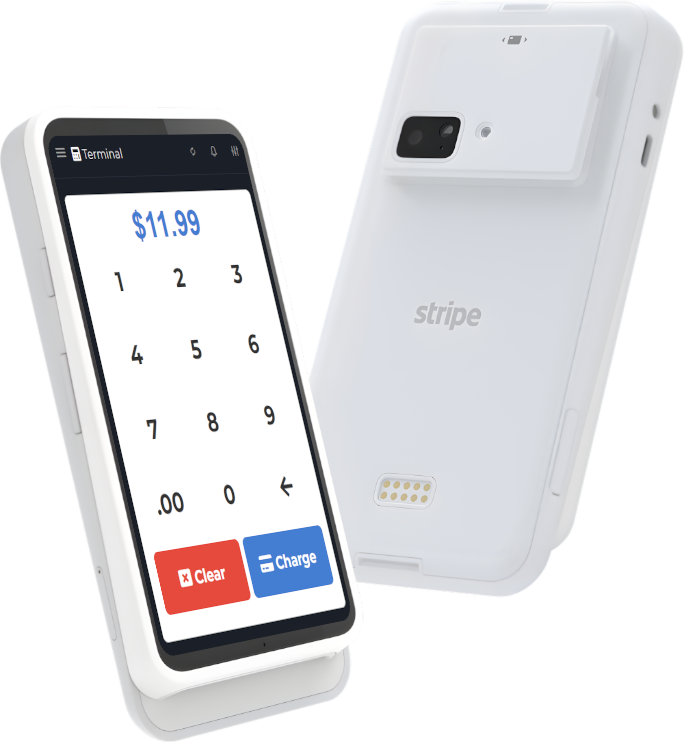
M&M POS can help align checkout, loyalty capture, and reporting in one flow. If your team wants a system that ties repeat behavior to reliable operations, you can download M&M POS and keep loyalty actions visible at the moment of sale and after-sale follow-up.
Three-week improvement ladder
- Week 1: define one loyalty definition and simple reward path.
- Week 2: train staff on collection, confirmation, and issue escalation.
- Week 3: remove underperforming rules and publish the revised playbook.
Growth becomes steady when strategy, operations, and team habits move together. Repeat customers then become a predictable part of the business model, not a campaign side effect.
Turning repeat visits into predictable retention
Repeat systems work when every contact point supports the next visit. If checkout rewards are clear but post-visit messaging is weak, loyalty weakens. Add one short post-purchase review rhythm using visit source and next expected cycle.
Use this three-step cadence:
- Immediate receipt note with reward status.
- Mid-cycle nudge tied to customer history.
- End-cycle appreciation after resolved issue.
Use these contacts consistently. Too much automation looks generic; too little misses the recall moment. Compare returning customers by acquisition channel and repeat intent each month.
Local retention operations and measurement discipline
Retention systems fail when measurement is delayed. Use a weekly dashboard with three fields per returning group:
- Expected frequency and actual frequency.
- Average spend per visit.
- Issue rate at follow-up step.
If expected frequency is not met by more than 20 percent, simplify messages before redesigning rewards. If spend declines, add quality checks at service moments before changing incentives. If issues rise, shorten escalation time, not increase offer value.
One practical model is to reward consistency first, then depth later. Reward small repeat frequency before high basket value. This helps teams hold service quality while still building future upsell pathways.
Keep program language tied to concrete actions. If customers can describe the loyalty benefit in one line and staff can confirm it in two clicks, the system stays usable during busy windows.
Referral and neighborhood loops with measured quality
Referrals can be the highest quality growth channel if the loop is simple. Give staff a consistent script: who to invite, what benefit is clear, and what the expected timing is. Avoid variable reward language that changes every week.
Use these guardrails:
- One referral action, one reward trigger, one follow-up reminder.
- No hidden conditions that change by day of week.
- Clear exclusions for returns and disputes.
- Monthly quality check on conversion from referral to repeat.
Referrals that are too complex erode trust because teams cannot explain them quickly. Simpler rules create faster adoption and better repeat rates over time.
For neighborhood groups, include local preferences. Some areas respond better to value messaging, others to reliability promises. Track both and choose one clear path for a full month before changing.