
A practical fulfillment and pickup promise workflow for local retailers responding to current delivery reliability and marketplace handling-time pressure.
Retail headlines this week are putting a spotlight on a boring but powerful promise: tell customers when an order will actually be ready. Amazon is pressing sellers to be more precise with handling times, and logistics coverage keeps repeating the same lesson from larger retailers: reliability beats vague speed. A local shop may not have a national fulfillment network, but it does have one advantage big systems often lose. The owner can see the shelf, the back room, the register, and the customer line in the same day.
The trap is overpromising. A store says "ready soon" because that sounds friendly. A staff member quotes a pickup time from memory. A delivery app shows an item as available because nobody adjusted the count. Then the customer arrives early, the item is missing, or the team has to refund part of an order during the rush. That is not only an operations problem. It is an SEO and reputation problem because disappointed customers write reviews in plain language: late, out of stock, confusing, not ready.
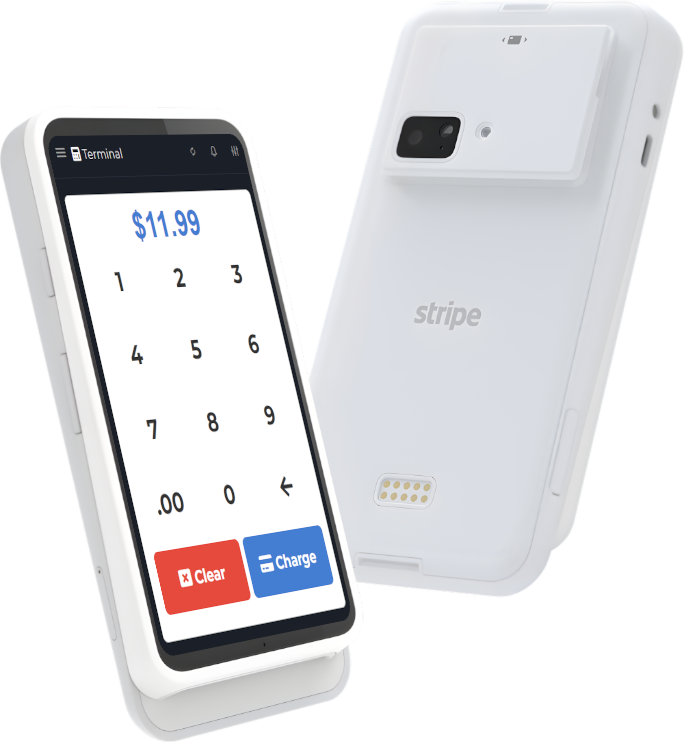
A better routine starts inside the point of sale. M&M POS gives local businesses a practical place to keep item records, sales history, and checkout discipline close to the people doing the work. If you are still managing fulfillment promises with sticky notes, separate spreadsheets, or memory, download M&M POS and build a promise window routine around the register before the next busy weekend.
Separate the customer promise from the internal target
Fast teams often work with two clocks. The first clock is internal: how soon the order could be picked, packed, bagged, labeled, or handed to a driver if nothing goes wrong. The second clock is external: what the customer should be promised after you account for line length, restocks, staff breaks, substitutions, and payment review. Small businesses get into trouble when those two clocks are the same.
For each order type, define a simple promise window. A single in-stock retail item might be ready in 30 to 60 minutes. A mixed order with back-room picking might need two hours. A prepared food catering order might need one business day. A repair part order might require confirmation before any promise is made. The exact windows are less important than the habit of publishing windows your team can keep.
Use POS history to pressure-test the window. If Saturday morning sales spike every week, do not copy the Tuesday promise. If one category is frequently adjusted at checkout, do not promise it like a clean shelf item. If a product has similar names, variants, colors, or sizes, add a verification step before the customer receives a ready message.
Create a daily promise audit
A promise audit should take less than 15 minutes. Before opening, review the categories most likely to create fulfillment issues. Check low-stock items, seasonal items, promotional items, bundles, and anything recently received but not fully counted. If a product cannot be trusted, make that visible to the staff member taking orders. Do not let the website, phone script, or delivery note promise what the shelf cannot support.
At midday, compare actual order handling against the morning promise. Did orders sit because the register was busy? Did one staff member know where an item was while everyone else guessed? Did a supplier delay change what you could sell? Record the pattern. You are not looking for blame. You are building a better promise table.
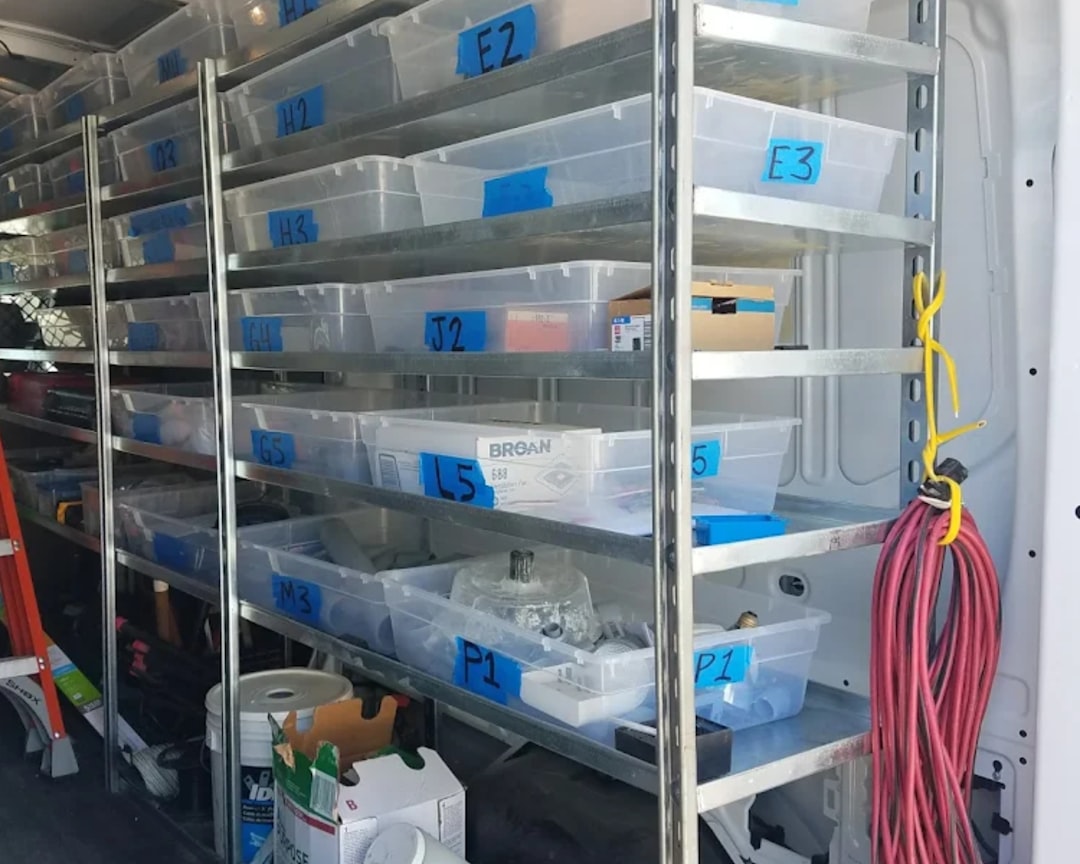
At close, choose one adjustment for tomorrow. That might mean extending a pickup window, moving a fast seller closer to the counter, changing a bin label, removing an unreliable bundle, or training the team to confirm a substitution before payment. Small improvements compound when they are tied to the same system every day.
Use the receipt as the final checkpoint
The receipt is more than proof of payment. It is the last written version of the promise. For pickup orders, make sure the receipt or confirmation note makes the next step clear: pickup name, order contents, expected window, and what happens if an item changes. For delivery orders, make sure fees and substitutions are not hidden. For special orders, make sure deposits, balances, and expected dates are written consistently.
This is where the register matters. A promise made in conversation can be forgotten. A promise attached to the transaction can be reviewed, repeated, and improved. When a customer calls, your team should not have to reconstruct the order from memory. They should be able to look at the sale, see what was promised, and answer calmly.
Do not chase marketplace speed if it breaks local trust
Large platforms can train customers to expect speed, but small businesses win repeat customers through accuracy. If you can consistently beat the window, great. If you cannot, make the window honest. A customer who hears "ready after 3" and finds the order waiting at 2:45 is usually happier than a customer who hears "ready in 20" and waits at the counter for 30 minutes.
The practical takeaway: treat fulfillment times like prices. They need rules, review, and one source of truth. Tie those rules to the POS, review them against actual sales patterns, and let reliability become part of your brand instead of a daily apology.