
A summer event inventory playbook for local shops, food businesses, and pop-ups using POS categories, bundles, and reorder triggers before fan traffic arrives.
Current local-business headlines around summer events and World Cup-related fan traffic are a good reminder: big moments do not only help stadium vendors and national chains. Neighborhood shops, cafes, convenience stores, boutiques, repair counters, and pop-up sellers can all catch extra demand when visitors, watch parties, youth sports, festivals, and downtown events change the normal traffic pattern.
The risk is guessing too late. A store that buys random merch without a tracking plan can end the season with boxes of leftovers. A restaurant that adds event specials without clean buttons can confuse the kitchen. A pop-up that cannot separate event sales from normal sales will not know what worked. M&M POS can help local operators organize items, categories, and sales review before the rush, and new operators can download M&M POS to set up a cleaner event lane.
Treat the event like a temporary department
The easiest way to track event performance is to create a temporary category or department. It might be Summer Event, Watch Party, Fan Merch, Festival Menu, Patio Bundle, or Pop-Up Table. Every item tied to the moment should live there or be tagged there in a consistent way. That includes shirts, hats, flags, snacks, grab-and-go drinks, prepared food, themed bundles, and service add-ons.
This prevents a common mistake: judging the event by total store sales only. Total sales might rise because normal customers also bought more. Or total sales might look flat because event merch did well while another category dropped. A temporary department makes the event visible so the owner can decide what to reorder, what to discount, and what to never buy again.
Build bundles before the crowd arrives
Event customers often want speed. They are on the way to a watch party, a park, a hotel, a youth tournament, or a downtown event. Bundles reduce decision time and make staff recommendations easier. A cafe can bundle drinks and snacks. A convenience store can bundle cooler items. A boutique can bundle fan accessories. A repair shop can bundle portable chargers, cables, and quick accessories for visitors.
Build the bundle in the POS before signage goes up. Decide whether the bundle is a true discounted item, a suggested grouping, or a kit with its own SKU. Train the team on how to ring it. If the offer requires a manager override every time, it will slow down exactly when the line is longest.
Use small batches and reorder triggers
Event energy can tempt owners into overbuying. The safer method is a small opening batch with clear reorder triggers. Set a starting quantity, watch sell-through, and define the point where a reorder makes sense. If vendor lead times are long, build that into the plan. If the item is highly seasonal, be more conservative.
The POS should show which event items move early, which only sell during certain hours, and which need better placement. If the first weekend proves that one design, flavor, or bundle is carrying the category, shift budget toward the winner. If something stalls, do not wait until the final week to mark it down or reposition it.
Plan for mobile tables and side stations
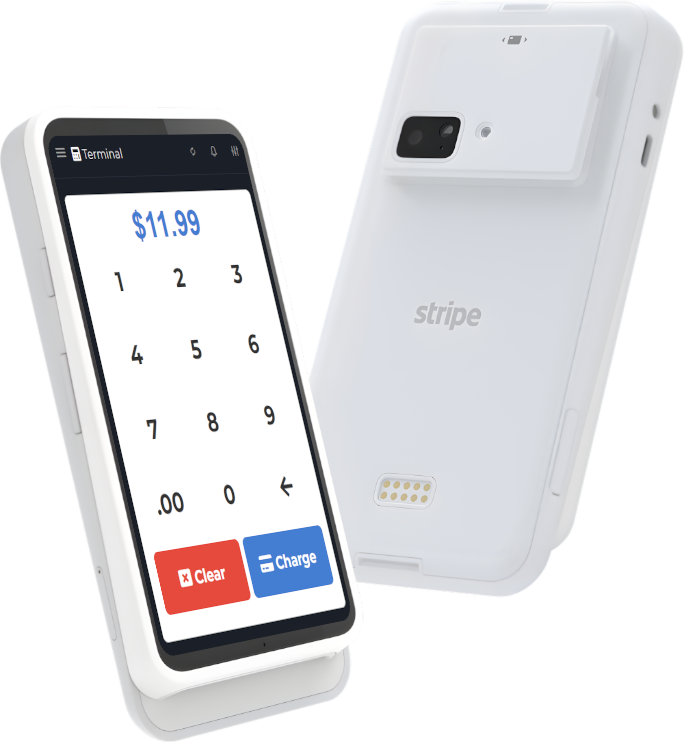
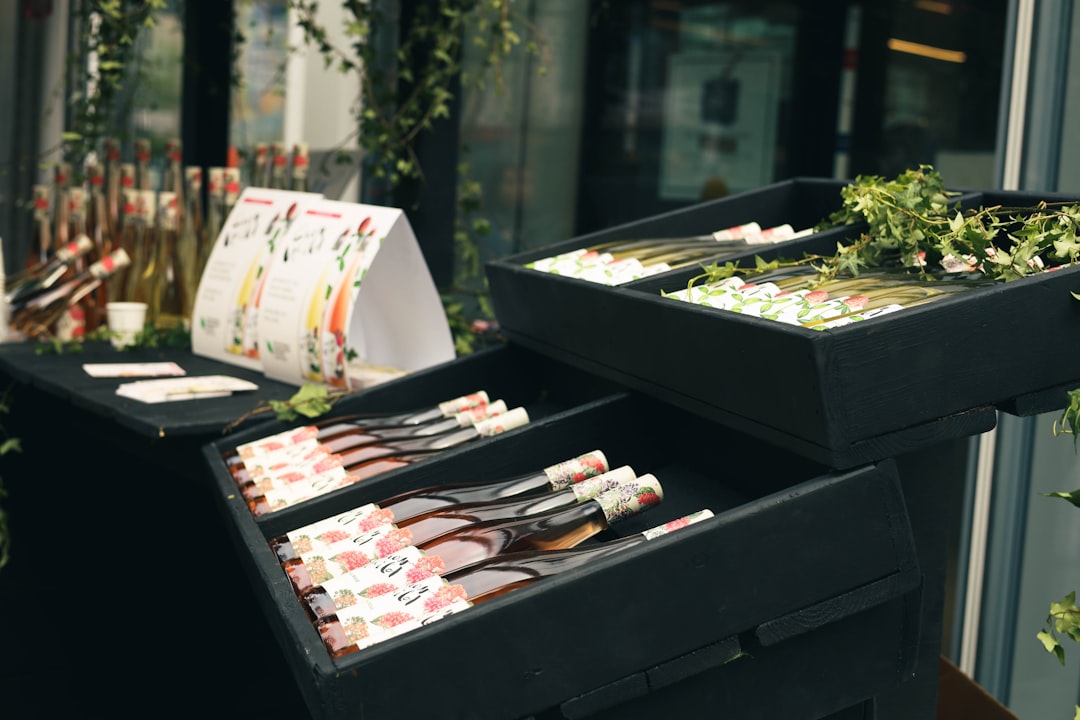
Many summer sales happen away from the normal counter: sidewalk tables, patio stations, festival booths, catering pickups, lobby displays, or temporary merch racks. That changes operations. Staff need a way to ring items correctly, keep cash or card handling clean, and reconcile the temporary station at the end of the day.
Even if the sale still runs through the main register, separate the item lane. Use clear item names and event categories. Keep a simple start-count and end-count sheet for the table. Reconcile it against POS sales so shrink, giveaways, samples, and damaged items do not disappear into vague memory.
Do a post-event teardown while the lesson is fresh
The teardown is where next year gets cheaper. Review the category within 48 hours of the event window ending. Which items sold at full price? Which needed discounts? Which hours were busiest? Which signs or displays helped? Which vendor delivered on time? Which team notes would make the next event smoother?
Save those notes with the item records or in the operations checklist. A local business that learns from each event can build a repeatable seasonal playbook. That is how pop-up inventory turns from a gamble into a controlled experiment with real upside.