
A small-business guide to using direct mail, counter coupons, and POS tracking together without guessing which customers came back.
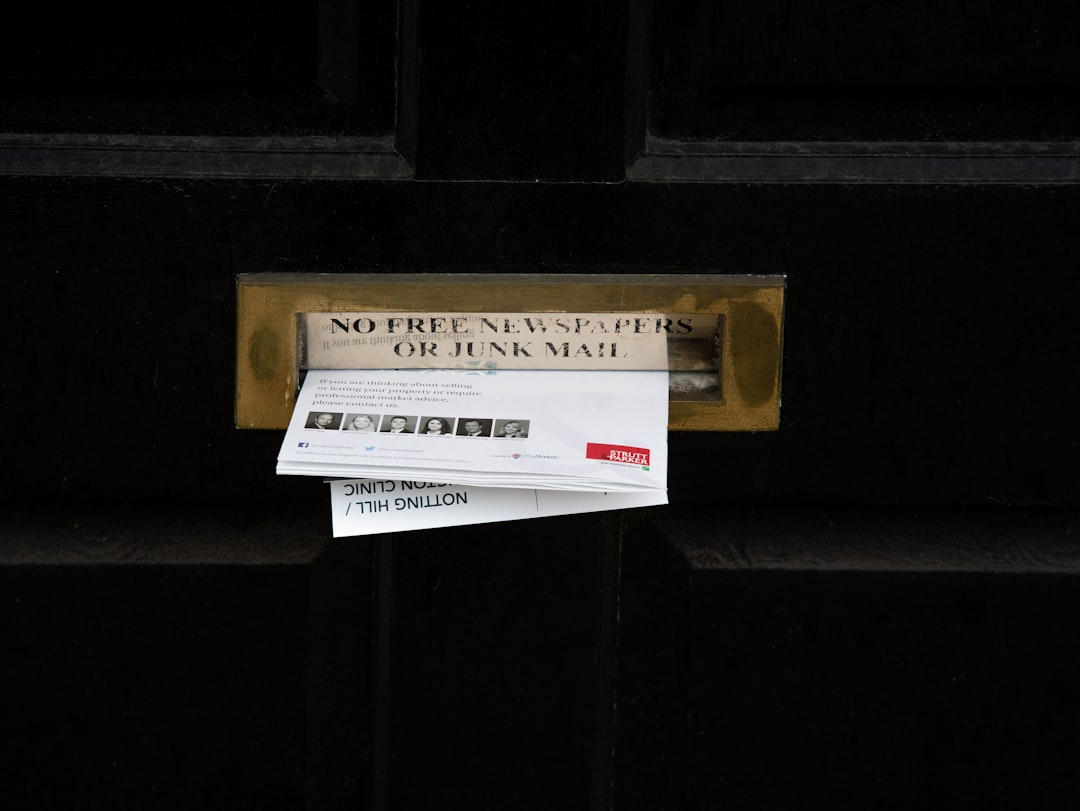
Direct mail is showing up again in retail conversations because it solves a modern problem in an old-fashioned way. Digital ads are crowded, inboxes are filtered, and social feeds move too quickly for many local offers. A postcard on the counter or in the mailbox can still feel concrete, especially when it connects to a real neighborhood store. Recent retail coverage of larger brands using mail and mall outreach is a useful reminder for small operators: customer reactivation does not always need another app.
The mistake is sending mail like a wish. A business prints a stack of cards, offers a discount, and waits. When traffic improves, nobody knows whether the cards worked, whether the discount was too generous, which products were pulled into the basket, or whether the campaign simply trained loyal customers to wait for markdowns. A win-back campaign should end at the register, not at the printer.
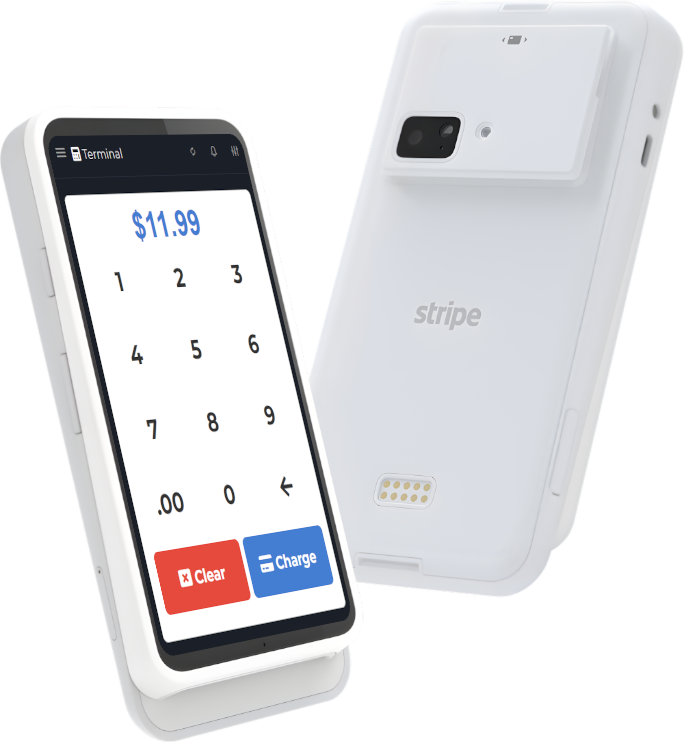
M&M POS can help make a physical campaign measurable because the point of sale is where the offer becomes a transaction. If your current system cannot connect offers, items, and sales review in one practical workflow, download M&M POS and start with a small campaign you can actually track.
Pick one audience, not everyone
A useful mail campaign starts with a narrow audience. Do not send the same message to every person who has ever walked in. Choose one clear group: customers who have not visited in 90 days, parents who bought school items last summer, repair customers due for accessories, restaurant guests who used to order lunch, or shoppers who bought a seasonal product once but never returned. The offer should match the reason they might come back.
If you do not have a clean customer list, build the first campaign around geography instead. Choose a neighborhood, apartment complex, office park, church bulletin, school fundraiser, or local event. The point is not perfect targeting. The point is creating a campaign small enough that the register can measure it.
Give the campaign a code the staff can remember
Every postcard, flyer, or bag stuffer needs a short code. It can be as simple as MAIL10, SUMMERKIT, LUNCHBACK, or REPAIRPERK. The code should appear on the card and in the staff script. When a customer shows the mailer, the team applies the matching discount or note at checkout. If the customer forgets the card but mentions it, staff can still enter the code. That keeps the campaign from depending on perfect customer behavior.
A code also protects your reporting. Without it, you are left comparing sales before and after the campaign and guessing. With it, you can review how many transactions used the code, what items were bought with it, which hours saw redemptions, and whether the offer attracted useful add-on purchases or only margin-draining single-item discounts.
Build the offer around behavior, not panic
A win-back offer should encourage the action you want, not just cut price. A repair shop might offer a discount on accessories with any service. A cafe might offer a lunch combo during a slow weekday window. A boutique might offer a gift card bonus after a minimum basket size. A convenience store might pair a new product with an existing favorite. A service counter might offer a free inspection with a paid part or repair.
The strongest local offers usually do three things. They are easy for staff to explain, easy for customers to redeem, and easy to analyze afterward. If an offer requires a paragraph of exceptions, it will fail at the counter. If it cannot be entered consistently in the POS, it will fail in the report.
Train the counter before the mail lands
The mailbox is only the first half of the campaign. The counter experience decides whether the returning customer feels welcomed or confused. Before the mail lands, show staff the card, the code, the expiration date, and the intended upsell. Give them one sentence to use: "Yes, we are running that win-back offer this month, and I can apply it right here." That sentence matters because it turns a promotion into a service moment.
Also decide what happens when a customer brings an expired card, a photo of the card, or a card from a friend. Small businesses do not need corporate-level rigidity, but they do need consistency. Write the rule before the first awkward conversation.
Review the campaign like an operator
After the campaign, do not stop at total redemptions. Look at basket size, product mix, margin-sensitive categories, time of day, and repeat visits. Did the mail bring people during slow hours or make rushes harder? Did it move inventory you wanted to move? Did it bring back customers who bought full-price add-ons? Did any staff member forget to enter the code? These answers turn a postcard into a repeatable system.
Direct mail works best when it feels personal and gets measured like digital. The POS is the bridge. Let the mailbox start the conversation, let the register capture the result, and let the next campaign become smarter instead of louder.