
Retail AI headlines are moving from chatbots to shopping agents. This guide shows small businesses how to keep product records, availability, pickup promises, and policies clean enough for the next commerce channel.
Retail technology headlines this week keep pushing a clear theme: AI shopping agents are moving from novelty to commerce infrastructure. Large platforms are testing ways for software agents to search, compare, recommend, and even help customers buy. Independent businesses do not need to chase every enterprise trend, but they should pay attention to the underlying shift. The next storefront may not always be a human browsing a website. It may be a tool trying to understand your products, hours, pickup promises, and policies on behalf of a customer.
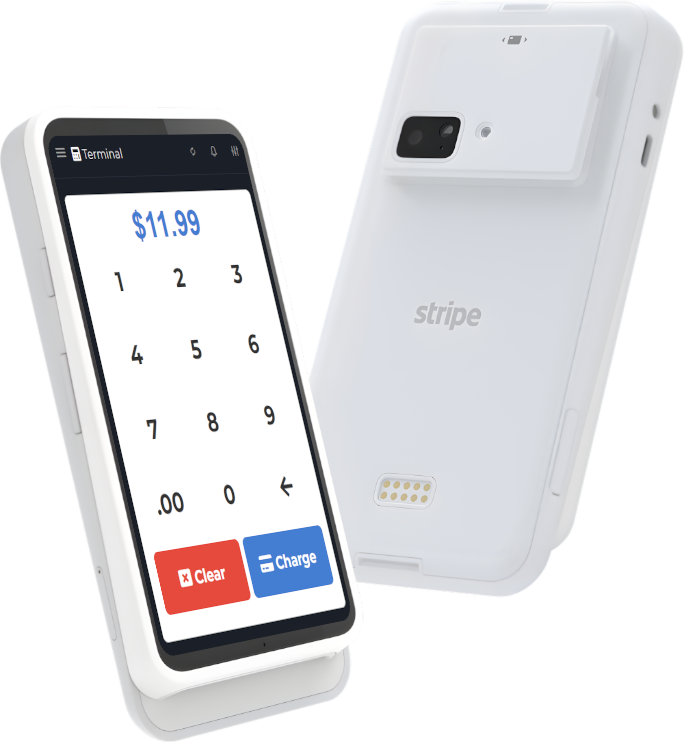
That makes clean store data more valuable. M&M POS can act as part of that discipline by helping operators keep item names, categories, prices, and sales patterns organized. If your business is still relying on scattered notes, stale spreadsheets, or product names only the owner understands, download M&M POS and start cleaning the basics now. AI commerce rewards clear records. Messy records become missed opportunities.
Do not start with AI. Start with boring accuracy.
The most useful preparation is not buying an AI tool. It is making sure your product and service information is accurate enough for any channel to understand. Item names should be readable. Categories should make sense. Prices should be current. Availability should not be wishful thinking. Pickup instructions should be specific. Return or refund policies should be easy to explain.
A human customer can sometimes work around messy information by calling the store. A software agent may simply skip the business that looks unclear. If your product names are full of internal shorthand, if the same item appears three different ways, or if your pickup promise changes depending on who answers the phone, you are not ready for agent-driven shopping. The cleanup helps today even if the AI future takes longer than the headlines suggest.
Make item names useful outside your building
Internal names are often too vague. "Cable black" may work for the owner, but it does not help a customer or a shopping assistant. A better name includes the product type, compatibility or size, and a customer-friendly descriptor. The goal is not to stuff keywords. The goal is to remove ambiguity.
For restaurants, the same issue shows up in menus. "Special #2" does not explain what the customer receives. "Lunch chicken rice bowl with drink" is easier to understand. For service businesses, a line item like "labor" may be fine internally, but customer-facing service packages need clearer names. Use the POS and menu records as the place where clarity begins.
Keep pickup and availability promises conservative
AI shopping agents may make customers less patient with vague promises. If a tool tells someone an item is available for pickup, the store needs to be confident. That means inventory accuracy, cutoff times, and substitution rules matter. A small business does not have to promise instant fulfillment. It does need to promise something it can actually do.
Write pickup rules in plain language for the team first. Which items are ready now? Which need prep? Which require a confirmation call? Which are too fragile, regulated, customized, or variable for automatic pickup promises? Then make sure those rules line up with how items are rung, counted, and reviewed. When the POS record and the operational promise disagree, the customer experience suffers.
Use sales history to decide what should be visible
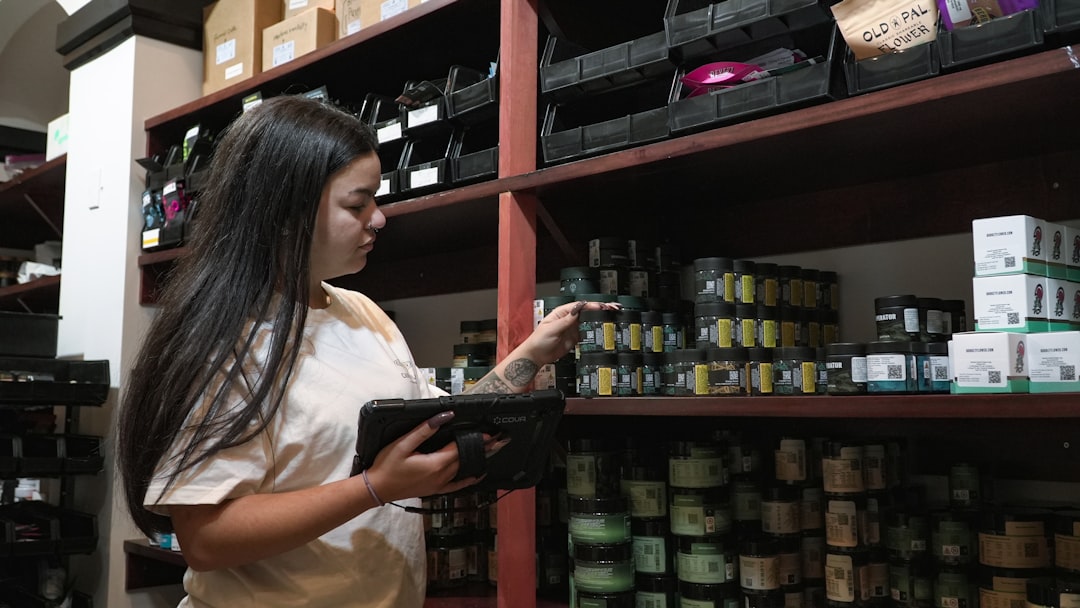
Not every item deserves equal attention in a future AI-assisted channel. Use sales history to identify dependable winners, high-margin add-ons, seasonal items, and products that cause too many questions. A business can start by making the best items easier to describe and fulfill, rather than trying to expose every odd corner of the catalog.
This is especially important for local shops with one-off, used, handmade, or fast-changing inventory. The right answer may be a curated online or agent-readable list of reliable items, plus a clear invitation to call or visit for unique finds. Clean data does not mean pretending every product behaves like a warehouse SKU.
Prepare policies that humans and machines can repeat
Refunds, deposits, delivery boundaries, substitutions, age-restricted items, custom orders, and service warranties should not live only in the owner's head. If a policy affects buying decisions, it should be written clearly enough for staff to repeat and for digital channels to display. That protects the business when customers arrive with expectations shaped by a search result, chat assistant, marketplace, or third-party recommendation.
The practical takeaway is simple: AI shopping agents may be new, but the prep work is classic retail hygiene. Clean item records. Accurate prices. Honest availability. Clear pickup rules. Written policies. A small business that gets those basics right will be easier to find, easier to trust, and easier to buy from no matter which channel becomes popular next.