

A small-business marketing workflow for using AI tools without losing brand voice, discount control, or POS accuracy across offers, captions, and receipt messaging.
Small-business AI marketing advice is everywhere right now. New tools promise faster captions, better email subject lines, automatic ads, customer-service responses, review replies, product descriptions, and campaign ideas. Some of that is genuinely useful. The danger is tool sprawl. A busy owner tries one app for captions, another for email, another for offers, another for images, and suddenly the business is publishing messages that do not match the register, the inventory shelf, or the staff script.
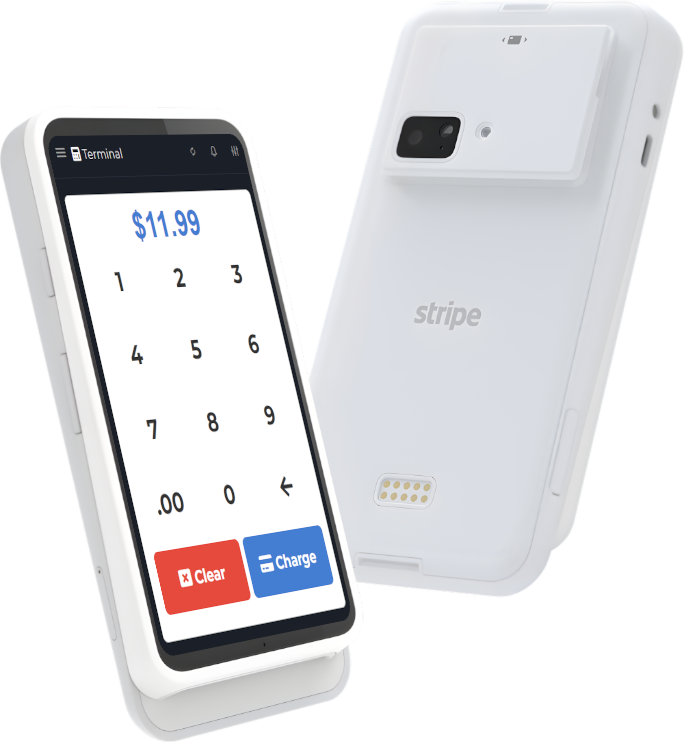
The fix is not to ban AI. The fix is a human approval queue that connects marketing ideas back to the point of sale. M&M POS should be the truth layer for what you actually sell, what discounts are allowed, and what customers see on receipts. If you are organizing your marketing workflow around real products and real transactions, download M&M POS and use the POS record to keep AI-generated ideas grounded.
Why tool sprawl creates business risk
AI can draft faster than a human can verify. That is the benefit and the risk. A caption might promise a bundle that no longer exists. An email might mention a discount staff have never heard of. A receipt message might invite customers to a promotion that ended yesterday. A review reply might sound polite but reveal too much about an order. None of these mistakes require bad intent. They happen because the marketing workflow is disconnected from the operating workflow.
Small businesses are especially vulnerable because the same person may handle inventory, register setup, social media, and customer complaints. Speed feels helpful until the team spends the weekend apologizing for a campaign that was never checked against reality.
Create one approval queue, even if ideas come from many tools
Use as many brainstorming tools as you want, but force every publishable idea into one queue before it reaches customers. The queue can be a spreadsheet, task board, shared document, or notebook. What matters is that every offer, caption, receipt message, and email passes through the same checklist.
- Is the product currently available?
- Is the price correct?
- Is the discount allowed in the POS?
- Can staff explain it in one sentence?
- Does the message include dates or limits?
- Does it avoid private customer details?
- Does it sound like the business, not a generic ad?
If an idea fails any step, it stays in draft. That rule protects the brand without slowing the whole team down.
Ground every offer in POS reality
AI tools are good at making offers sound exciting. They are not automatically good at knowing whether the offer is operationally sane. Before approving a promotion, check the POS item, category, cost, tax behavior, and discount setup. If the register cannot ring it cleanly, the marketing copy is not ready.
For example, "Buy two, get one free" may sound simple, but staff need to know which items qualify, whether the free item can be more expensive, how refunds work, and whether the discount applies online or only in-store. A social caption should not be approved until the register process is approved.
Use receipt messages as small, controlled experiments
Receipt messaging is a good place to test marketing because it reaches people who already bought from you. Keep it short, useful, and specific. Instead of a vague brand slogan, try a timed reminder: "Show this receipt by Sunday for one free add-on with a full-price lunch." Or use a service prompt: "Need a reorder? Bring this receipt and we can match the item." The receipt message should support the next visit, not shout at the customer.
Track the experiment with a POS discount name or note. If customers use the receipt offer, you will know. If nobody mentions it, either the offer was weak, the message was buried, or staff did not know to recognize it. That is useful learning.
Protect brand voice with a local edit pass
AI drafts often sound polished and strangely empty. A local business should not sound like a national chain unless that is the actual brand. Add the details only a real operator would know: the neighborhood, the season, the customer problem, the staff recommendation, the way the product is used, or the reason the owner chose it. Remove hype words that do not match the store.
Also remove anything that overpromises. Do not claim a product is the best, fastest, safest, or guaranteed unless you can support it. Do not invent partnerships, awards, or inventory. Helpful beats flashy.
The operator takeaway
AI marketing tools can save time, but only if they feed a controlled workflow. Keep one approval queue, check every offer against POS reality, test receipt messages carefully, and give every draft a human edit pass. The result is faster marketing that still sounds like your business and still works at the counter.