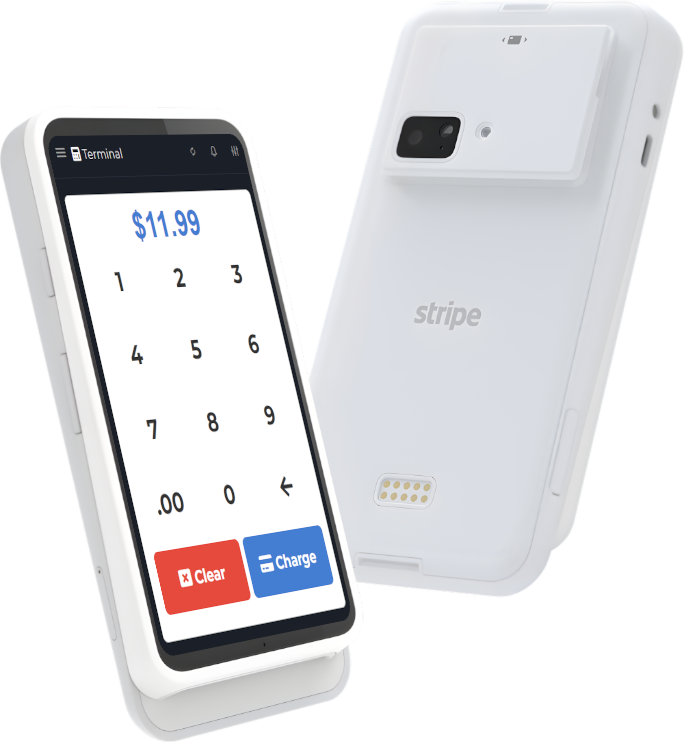


Refunds are part of doing business—but policy abuse is real. Learn a balanced, customer-friendly approach to reduce refund fraud using clear policies and POS signals.
Refunds are a normal part of retail and service businesses. But there’s a category of loss that’s quietly growing for many merchants: policy abuse and “friendly fraud.”
Friendly fraud is the messy middle where a customer is real and the purchase is real—but the behavior is abusive: chargebacks for items they received, repeated “item not as described” claims, serial returns after use, or constant “I didn’t authorize this” disputes from the same person.
The hard part is you don’t want to become the store that treats everyone like a criminal. The goal is simple:
- Make it easy for honest customers to get help.
- Make it hard for abusers to repeat the pattern.
Here’s a practical playbook that small businesses can implement without hiring a risk team.
1) Write a refund policy that removes ambiguity
Abuse thrives in gray areas. Clear policies reduce arguments and make staff confident.
A strong policy usually covers:
- Time window (e.g., 14 or 30 days)
- Condition requirements (unused, tags attached, packaging, etc.)
- Excluded items (final sale, perishables, intimate items, custom work)
- Receipt requirement (or alternative lookup method)
- Refund method (original payment method vs store credit)
Engineering perspective: write the policy so two different employees would make the same decision. That consistency is what prevents escalation.
2) Train a “good customer” exception path
Rigid policies can backfire when a great customer has a legitimate issue. The trick is to build an exception path that’s documented, limited, and trackable.
Example:
- Managers can approve a one-time exception per customer per quarter.
- Exception defaults to store credit instead of cash refund.
- Reason must be noted (defect, goodwill, shipping delay, etc.).
This keeps your team human while still preventing the “every return is negotiable” culture.
3) Use POS signals to identify patterns (without profiling)
You don’t need to guess who’s abusing policy. The behavior leaves a trail. Use signals like:
- High return frequency relative to purchases
- Returns without receipt or “can’t find the transaction” patterns
- Always returning high-value items or the same category
- Repeated disputes/chargebacks tied to the same contact info
Important: focus on actions, not identity. The pattern is what matters.
4) Default high-risk situations to store credit
Store credit is a powerful middle option:
- Honest customers still feel taken care of.
- Abusers don’t get an easy cash-out.
- You keep revenue in the business.
Common cases where store credit is a reasonable default:
- No receipt / can’t verify purchase
- Return outside the normal window
- Item appears used but not damaged
5) Make chargeback prevention part of the checkout experience
Chargebacks often happen because customers don’t recognize the charge. Small fixes help:
- Clear descriptor on receipts and statements (store name matches what customers expect).
- Itemized receipts (so it’s obvious what was purchased).
- Fast support contact so customers reach you before their bank.
From the POS side, strong receipts and clean transaction records make it easier to respond to disputes and support customers quickly. That’s one reason we like tools that keep receipts structured and easy to retrieve.
If you’re tightening your operations, M&M POS can help you keep transaction records clean, receipts consistent, and staff workflows predictable. If you want to test it in your environment, download M&M POS and build a simple “returns + exceptions + notes” routine your team can follow.
6) A balanced “anti-abuse” script for staff
When staff feel attacked, they can get defensive. A calm script helps:
“I can help with that. Our policy is returns within 14 days in unused condition with receipt. If you don’t have the receipt, I can offer store credit once we verify the item. Let’s see what we can do.”
Notice what it does:
- It starts with help.
- It states the policy as a fact, not a negotiation.
- It offers a reasonable alternative.
Takeaway
You don’t need to “win” against every abuser. You need to reduce repeat patterns and protect your team’s time. Clear policies, consistent enforcement, and basic POS visibility will cut losses without turning your business into a fortress.