
Once “nice-to-have,” personalization is now expected. How startups can deliver tailor-made experiences from day one.
Why “One Size Fits All” No Longer Works
In 2025, customers expect brands to know them. Hyperpersonalization—tailoring content, offers, product suggestions, and experiences—is a key trend. :contentReference[oaicite:2]{index=2}
Email, SMS, and app messages should adapt based on user behavior. Don’t send generic promos—send what they’re likely to want.
List “recommended for you” or “because you liked this” modules on your site or app. These convert much better than random suggestions.
If someone abandons cart, visits a product twice, or lingers too long—trigger tailored offers (coupon, urgency, bonus). It feels smart, not spammy.
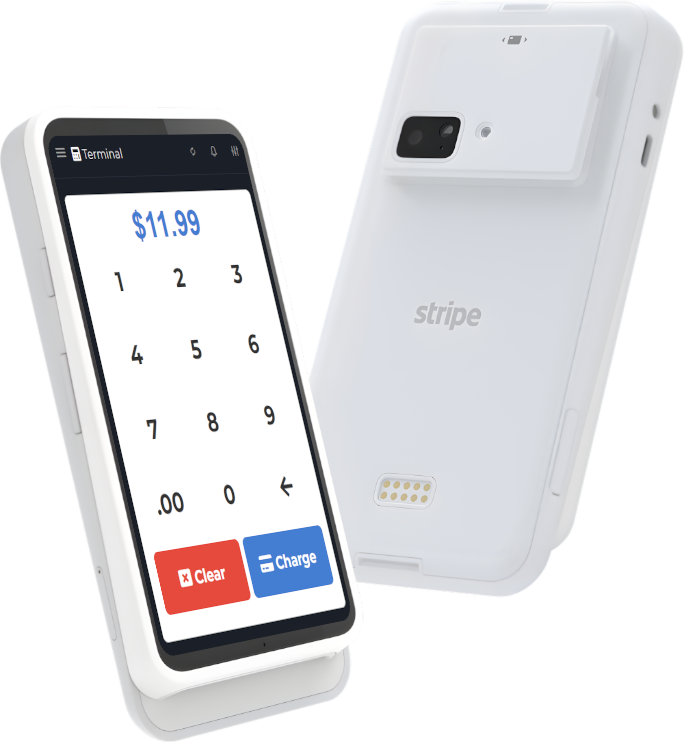
With M&M POS, you get unified data—customer behavior, sales, loyalty—that powers personalization across the board.
Personalization done well feels like magic to customers—and loyalty forms naturally. As a new business, investing early in hyperpersonalization can separate you from generic competitors.