
Gift cards can be easy cash flow and a great retention tool - or a daily accounting headache. This practical playbook covers policies, redemption workflows, fraud prevention, and the POS reports you need so gift cards stay simple.
Gift cards are not a product. They are a promise.
That sounds dramatic, but it is the easiest way to keep your head straight: a gift card is a liability you owe to a customer in the future. When the gift card program is set up cleanly, it becomes one of the simplest retention tools a small business can run. When it is set up loosely, it turns into a slow-motion mess: mismatched totals, awkward redemption moments at the counter, and staff guessing what to do when a gift card is lost or partially used.
Our team likes gift cards because they are one of the rare wins that help three areas at once: cash flow (money comes in earlier), marketing (someone else brings you a new customer), and loyalty (people return to use the balance). But the program only works if the workflow is boring and predictable.
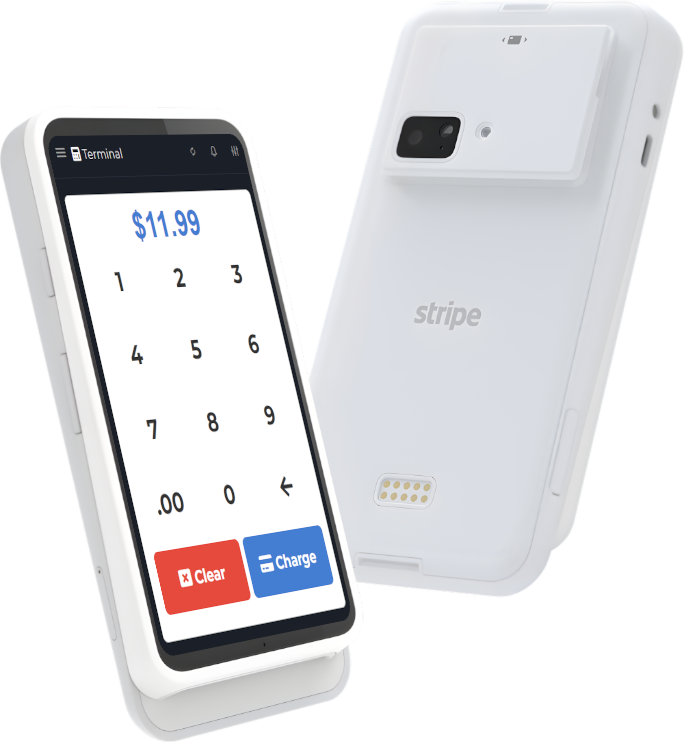
If you are tightening up your checkout and back-office workflow this month, start with your POS foundation. Whether you are evaluating a new system or cleaning up your current one, M&M POS is designed for fast transactions and clear reporting. You can download M&M POS and set up a test register to model your gift card and store-credit rules before you roll them out.
First: decide what you are actually selling
Small businesses often mix up three similar things:
- Gift cards: usually transferable and intended as a present.
- Store credit: usually tied to a customer account (or receipt) and created through returns, goodwill adjustments, or dispute resolutions.
- Promotional credit: a marketing incentive (for example, "$10 credit when you spend $50") with clear rules and an expiration policy if your local laws allow it.
They can share a redemption mechanism, but they should not share a policy. If your staff cannot explain the difference in one sentence, you will eventually have a customer who uses a loophole you did not intend.
The minimal policy you need (write it down)
This is not legal advice, and local rules vary, but most successful operators keep the policy small and visible:
- What counts as a valid gift card: physical card, digital code, or both.
- How balances are checked: at the register only (recommended) vs. by phone (risky).
- What happens if the card is lost: replaceable only with proof of purchase and remaining balance verification (recommended).
- Whether gift cards are refundable: in many places they are not, but confirm local requirements.
- How store credit is issued: return receipt required, manager approval thresholds, reason codes.
Do yourself a favor and add one line staff can say calmly: "Gift card balances can only be checked at the register." It removes a surprising amount of pressure from your team.
How to set up gift cards so reporting stays clean
Operationally, your goal is to make gift cards behave like this:
- When a gift card is sold, your POS records it as a liability (not revenue).
- When a gift card is redeemed, your POS records revenue for the items sold and reduces the gift card balance.
- At any time, you can see outstanding gift card balances (your liability).
If your current setup treats gift card sales as regular product revenue, your reports will lie to you. Your sales numbers will look better than reality on the day you sell gift cards, and then look worse on the day customers redeem them. That distortion makes it harder to manage staffing, ordering, and taxes.
A simple register workflow (what staff should do)
Keep the register steps almost boring:
- Select Gift Card as the item.
- Enter the amount (or pick a preset: $25, $50, $100).
- Activate/issue the card or code only after payment is approved.
- Hand the receipt to the customer and tell them to keep it for lost-card replacement.
That last sentence matters. A receipt is your best "chain of custody" when a card is lost.
Redemption rules that prevent awkward moments
Most gift card confusion happens during redemption. Pick the rules now, and train them:
- Partial redemption: always allowed (recommended). Customers should not need to "use it all at once".
- Tips: decide whether gift cards can cover tips (restaurants) and whether you want to encourage that behavior.
- Returns when paid by gift card: decide whether refunds go back to the gift card, to store credit, or another method. Write it down.
- Split tenders: support "gift card + card/cash" without staff improvising.
When customers ask "Can I use this for anything?" your team should have a clean answer: which locations, which channels (in-store vs online), and any exclusions (for example, third-party gift cards).
Fraud is the hidden cost of a sloppy gift card program
Gift card fraud is trending upward because it is low friction for criminals and high friction for small businesses. The most common patterns we see operators trip over are:
- Card number harvesting: scammers copy numbers from cards on open racks and later test balances automatically.
- Social engineering: someone calls the store, pressures an employee to read gift card numbers over the phone, or claims to be "corporate".
- Over-the-phone purchases: a fraudster buys digital gift cards with stolen cards, then drains them quickly.
Practical defenses that work for small teams:
- Keep physical gift cards behind the counter or in sealed packaging that hides the full number.
- Never read card numbers over the phone. If a customer wants to check a balance, they come in with the card (or you provide a secure self-check method if you have one).
- Set manager approval thresholds for high gift card amounts.
- Train one script: "I can only check gift card balances at the register." Repeat it. Do not debate it.
What to review weekly (the quick back-office routine)
You do not need a complicated audit program. A weekly 10-minute review catches most issues early:
- Gift card sales vs redemptions: do the numbers make sense relative to traffic?
- Outstanding balance trend: is liability growing unusually fast (possible fraud) or shrinking unusually fast (a promotion effect)?
- Large transactions: were any big gift card sales approved correctly?
- Refunds to gift cards/store credit: do you see patterns that indicate abuse?
The goal is not to be paranoid. The goal is to keep gift cards boring.
Make it easy for customers to buy (without making it easy to get scammed)
Gift cards work best when they are simple to purchase and simple to redeem. But do not confuse "simple" with "anything goes". The tightest programs are the ones where:
- Codes are issued only after payment is confirmed.
- Staff never reveal card details verbally.
- Policies are printed on the receipt and on a small sign near the register.
Use M&M POS as the clean backbone for your program
A gift card program is really a test of your operational basics: consistent workflows, clear reporting, and staff confidence. If you want to build that foundation, start with a POS that keeps the day-to-day simple. You can explore M&M POS and download M&M POS to set up a practice environment, write your gift card policy, and rehearse the redemption flow before you do it live.
When gift cards are boring, they quietly become one of the best marketing channels a small business can have.