
Dynamic pricing is no longer just for airlines. Tools make it easier to change prices by time, demand, and inventory, sometimes with AI. This guide shows how to use price flexibility ethically and transparently, and how to reflect it cleanly in your POS and receipts.
Price changes used to be slow. You would print menus, update shelf tags, or manually change a sign. Now prices can change with a few clicks - and in some industries, they can change automatically based on demand, inventory, time of day, or competitor prices.
That power is useful, and dangerous.
Customers are more sensitive than ever to feeling "played," especially when pricing feels unpredictable. Regulators and news cycles are paying more attention to algorithmic pricing and the ways it can be misused. For small businesses, the goal is not to copy big tech. The goal is to use smart, flexible pricing without creating distrust.
What dynamic pricing is (and what it is not)
Dynamic pricing is simply changing prices based on context:
- time (happy hour, weekday discounts, weekend premium)
- inventory (clearance, limited stock premium)
- demand (event-day pricing, peak-hour pricing)
It is not the same as personalized pricing (charging different people different prices for the same thing). Personalized pricing is where trust erodes fastest and where scrutiny tends to land.
The trust test for any price change
Before you implement a pricing rule, ask:
- Can we explain this in one sentence? For example: "Weekend prices are slightly higher because staffing and supplier costs are higher."
- Would we be comfortable posting it on a sign? If not, it probably will not survive customer backlash.
- Does it punish loyal customers? If your best customers feel penalized, you are trading long-term value for short-term margin.
Three safe dynamic pricing patterns for small businesses
1) Time-based pricing that customers can anticipate
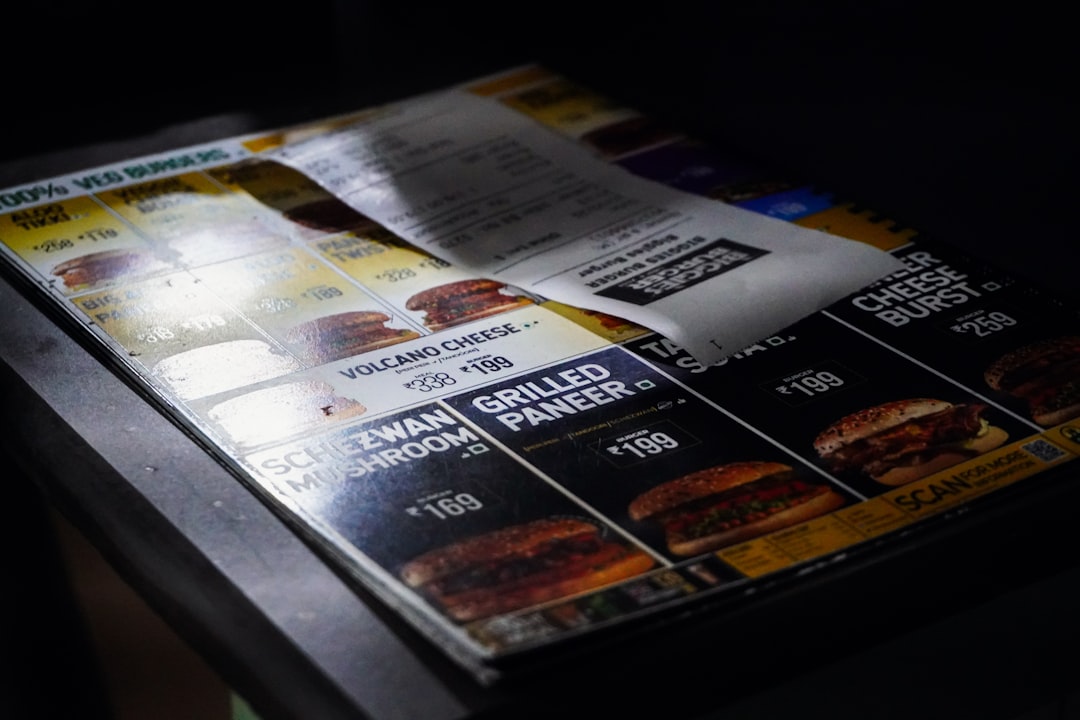
Happy hour, early-bird specials, lunch combos - these work because they are predictable.
2) Inventory-based pricing that reduces waste
Clearance pricing, end-of-day specials, and sell-through discounts can be framed as win-win: customers save money, you reduce waste, and you free up cash.
3) Bundles that increase perceived value
Instead of raising a single item price, create a bundle that is easy to understand. Bundles feel like a deal, even when they protect your margins.
Where AI fits (and where it does not)
AI can help with pricing in two non-creepy ways:
- Forecasting: "If we discount this item by 10% on weekdays, do we sell more without running out?"
- Recommendation: suggesting a price test that you approve (not auto-changing behind the scenes)
What we recommend avoiding: black-box systems that quietly change prices per-customer or per-device. Even if it boosts revenue short term, it can damage trust long term.
Your POS has to tell the same story your signage tells
Dynamic pricing fails when:
- the shelf sign says one thing and checkout rings another
- discounts are applied inconsistently
- receipts do not explain what happened
A clean POS setup makes pricing changes safer because it keeps your execution consistent.
Where M&M POS fits
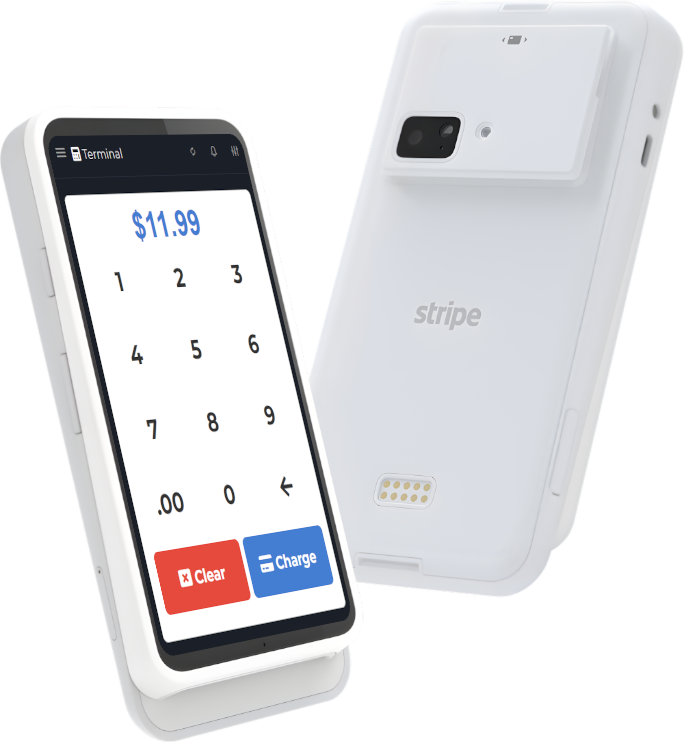
M&M POS is designed for real-world operations where clarity matters. If you want to run predictable time-based pricing, create clear bundles, or manage discounts without chaos, it starts with a POS that keeps your item catalog and receipts straightforward.
If you want to experiment with pricing without losing trust, install download M&M POS and start with one simple test: a clearly posted weekday bundle or a time-based special. Make sure the receipt matches the story. Then measure the results.
The takeaway
Dynamic pricing is not evil. Hidden pricing is. Keep it predictable, explainable, and consistent at checkout, and you can use price flexibility to protect margins without sacrificing trust.