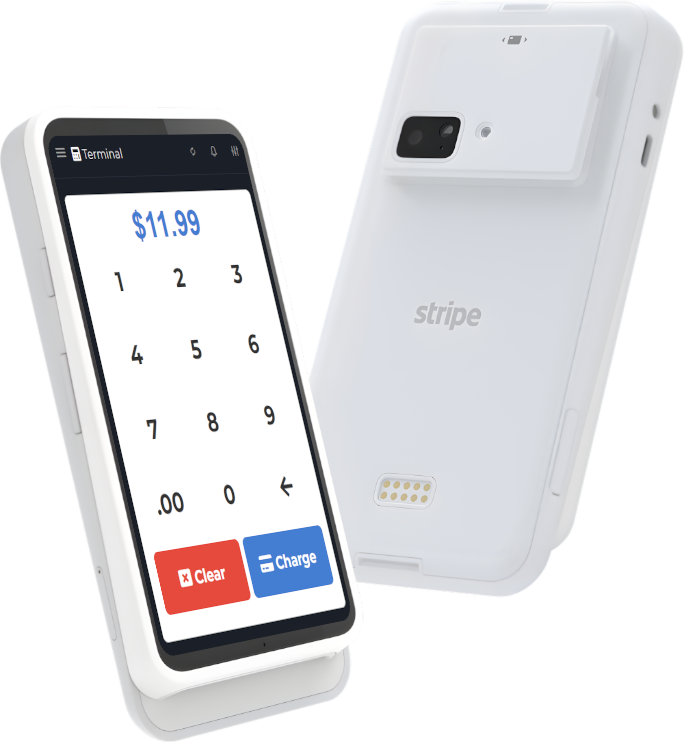

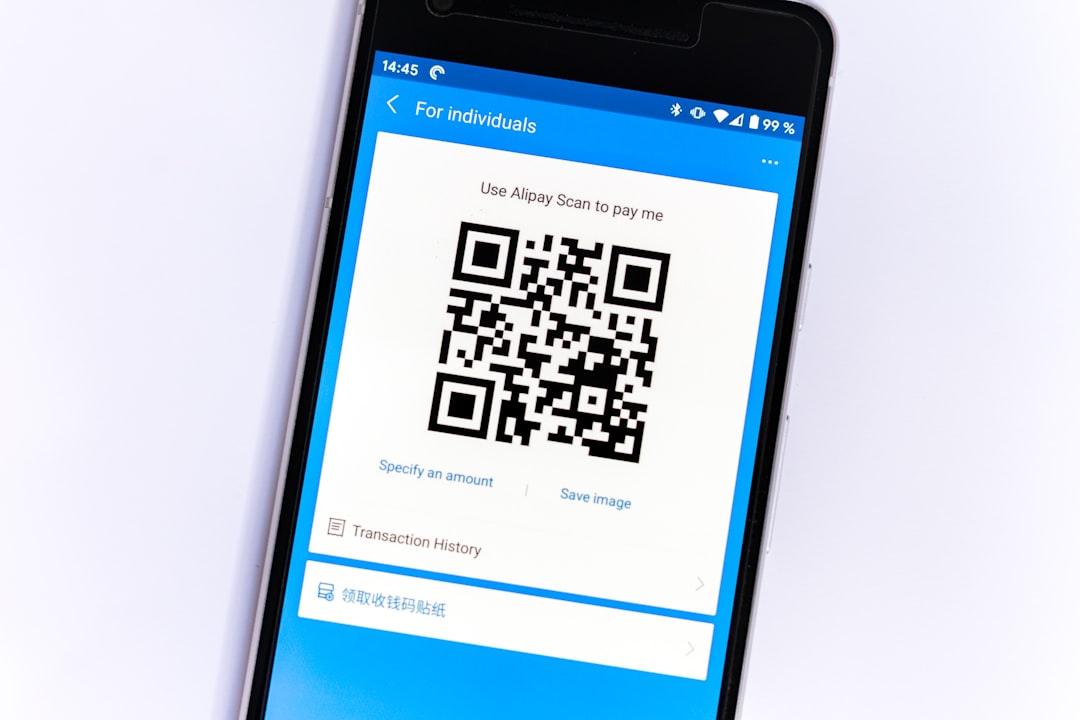
Mobile IDs and wallet-based age checks are expanding. Here is a practical, POS-first workflow for age-restricted sales: staff scripts, privacy-minded verification, audit trails, and what to configure so checkout stays fast and compliant.
Digital IDs are showing up at checkout. The question is: can your workflow handle them?
More customers are walking in with a phone in their hand instead of a physical wallet. At the same time, governments and wallet providers are expanding digital ID programs, and some wallet ecosystems are experimenting with privacy-preserving age checks (including approaches like zero-knowledge proofs for confirming someone is over a threshold age without exposing full identity details).
For small businesses that sell age-restricted products (alcohol, tobacco, vape, some OTC meds, cannabis where legal), this is not a "future" topic. It is already a daily conversation at the counter:
- "Can I show you my ID on my phone?"
- "My wallet app has my license."
- "I left my physical ID in the car."
The wrong response is improvising under pressure while the line grows. The right response is a simple, consistent policy that keeps checkout fast, protects your license, and does not turn into a privacy mess.
Whether you run a cafe, retail shop, or service counter, M&M POS is built for clean, fast transactions and the operational habits that make days smoother. If you want to test a checkout flow and staff prompts before your next busy weekend, you can download M&M POS and set up a practice register in minutes.
First, decide what "acceptable ID" means in your store
There is no universal answer, because laws and enforcement vary by location and product category. So do not treat this post as legal advice. Treat it as an operations checklist: you define the rule, train it, and run it consistently.
Write your policy in one sentence that every cashier can repeat. Examples:
- Strict policy: "We only accept physical, government-issued ID."
- Hybrid policy: "We accept physical ID, and we accept approved mobile IDs from supported wallet apps when the ID can be verified in-app."
- Tiered policy: "For alcohol we require physical ID; for energy products we accept mobile ID."
Whatever you pick, make it:
- Easy to explain (one sentence)
- Easy to enforce (no case-by-case arguing)
- Consistent (same rule at noon and at 10pm)
The "two-step" verification mindset (even if you never scan anything)
In practice, age verification is two checks:
- Eligibility: Are they old enough?
- Authenticity: Is the credential real and belongs to the person in front of you?
Wallet-based credentials can help with the first step (age) and sometimes the second (authenticity), but only if the verification method is designed for in-person presentation. A screenshot is not that. A static photo of an ID is not that. A "trust me" from a customer is not that.
A POS-first workflow that does not slow down the line
This is the workflow we recommend small teams standardize:
1) Your POS prompts the check at the right moment
The fastest staff behavior is the one your POS nudges automatically. Configure items or categories that require age checks so the register prompts: "Verify ID" before the tender is finalized. That way the check happens before payment, not after you have already approved the sale in your head.
If you are training a new hire, this prompt is the difference between "oops" and "habit."
2) Cashier uses a consistent script
Give staff the exact words, so they do not invent new policy mid-rush:
- "Thanks - I need to verify ID for this purchase."
- "Do you have a physical ID, or an approved mobile ID that can be verified live in your wallet app?"
- "I cannot accept screenshots or photos of an ID."
Keep it calm. Keep it repetitive. Consistency reduces conflict.
3) If mobile ID is allowed, require a live presentation (not an image)
If your policy allows mobile IDs, require the customer to open the credential in their wallet app and present it live. The goal is to avoid accepting something that could be copied, edited, or replayed.
Operationally, define what "live" means for your store. Example rules you can use:
- The credential must be displayed inside the wallet app (not in Photos).
- No screenshots. No screen recordings.
- The customer must interact with the wallet screen (for example: expand details, tap a verify button, or show an animation if the wallet uses one).
4) Decide what you record (and what you never record)
This is where many businesses accidentally create privacy risk.
Good records:
- That an ID check occurred (yes/no)
- Who performed the check (cashier user)
- Timestamp
- Reason code if a sale is denied ("No acceptable ID")
Bad records (avoid unless you have a compliance reason and secure handling):
- Photocopies of IDs
- Storing full ID numbers in notes
- Taking pictures of a phone screen
The safe default: record the fact of verification, not the identity details.
Handling the awkward cases without drama
"I have it on my phone, but my battery is dead"
Script: "No worries. If you can bring a physical ID or a working mobile ID, I can complete the sale." Then pause the transaction or void and restart later. Do not argue. Do not negotiate.
"My friend can vouch for me"
Script: "I appreciate it, but we need to verify your ID." This is a policy moment, not a personality moment.
"It is in the car"
Script: "Totally fine - I can hold the transaction while you grab it." If you are in a busy store, decide in advance how long you will hold (5 minutes, 10 minutes) and how you will handle line fairness.
Training: your goal is to eliminate improvisation
A good age-check workflow is 80% training and 20% technology. Here is a simple training plan:
- One-page policy: acceptable ID types, unacceptable types, exact staff script.
- Role-play: 10 minutes in pre-shift, including one angry customer scenario.
- Manager escalation: staff can say "Let me grab my manager" without shame.
- Post-shift review: if a denial happened, capture the reason and improve the script.
Why this matters for customer experience (not just compliance)
Customers do not mind being checked. They mind being checked inconsistently.
When you have a clear policy and a fast script, you get:
- Shorter lines
- Fewer arguments
- More confident staff
- Lower risk to your license
A quick checklist you can implement this week
- Write the one-sentence policy and put it in your staff handbook.
- Add a small sign near the register: "ID required for age-restricted items. No photos/screenshots."
- Make sure your POS prompts ID checks on the right items.
- Train the script and the escalation path.
- Decide what you log (verification event) and what you never store (ID images/numbers).
If you want a POS that makes policy easier to run, not harder, start with M&M POS. You can download M&M POS, create an age-restricted category, and practice the exact cashier flow before you roll it out to the whole team.