
Modern fraud is automated, and identity fakes are easier to produce. Learn a layered, realistic fraud defense system for refunds, invoices, high-ticket sales, and service work - without punishing good customers.
A customer walks in and wants a high-ticket item. They are friendly, in a hurry, and they want it gift-wrapped. They pay, they leave, and you feel good about the sale.
Three weeks later, you get an ugly surprise: a dispute. The customer claims they never authorized the purchase. Or they claim the item was not received. Or they claim the service was not performed. Your money gets pulled back while you scramble to find evidence.
For years, small businesses treated fraud like a "big company" problem. That no longer works. Fraud has gotten more automated, and fake identity artifacts have gotten easier to create. Deepfake tools, synthetic IDs, and template-based document forgery lower the effort required for sophisticated scams.
The good news: you do not need enterprise software to defend yourself. You need a layered system and a team habit: treat documentation as part of the sale.
The mindset: friction for the risky 1%, smooth for everyone else
The biggest mistake is applying the same friction to everyone. If you force every customer through a "security process," you will lose good customers. If you apply no friction, you will eventually get hit hard.
A practical approach is to define "risk triggers" that cause your staff to add one or two extra verification steps. Examples:
- high-ticket items
- large quantities of gift cards
- split payments across many cards
- rush pickup with a third-party driver
- returns without packaging or without receipts
- service work where the customer is not present at drop-off/pickup
When a trigger fires, you add friction. When it does not, you keep checkout fast.
Layer 1: Make your receipts dispute-ready by default
Your receipt is not just a receipt. It is your evidence package starter kit.
A dispute-ready receipt includes:
- clear item names (no internal abbreviations)
- serial numbers where relevant (electronics, equipment)
- service notes where relevant (what was authorized, what was done)
- a unique order ID and timestamp
- your return/refund policy summary
When your receipts are consistent, staff can find transactions fast, and you can respond to disputes without hunting through three systems.
Layer 2: Capture intent at the moment of sale
Fraud defenses often focus on identity. In practice, intent is just as important. Intent means: did the buyer understand what they were buying, and did they approve it?
Simple ways to capture intent:
- on-screen confirmation that shows item + price before payment
- a signature for high-ticket items or large services (even a quick digital signature)
- a short approval note: "Customer approved diagnostic fee"
- photo of the item at pickup for certain workflows (with policy and consent where required)
The goal is not to create surveillance. It is to create clarity that stands up when a story changes later.
Layer 3: Build a return/refund flow that is fair and consistent
Refund fraud thrives in ambiguity. Your staff should not be improvising refund policies under pressure.
Write a clear policy and enforce it consistently:
- what is returnable and what is not
- time window
- condition requirements
- receipt requirements (or alternative verification)
- how store credit is handled
Then train staff on one sentence they can use: "Here is what we can do today based on our policy."
Layer 4: Treat identity checks as a tool, not a default
Identity checks can help, but they are not magic. Fakes are good enough now that "glancing at an ID" is not a real control.
Use identity checks strategically:
- high-value purchases where you need a name match
- invoice payments where the payer is not the original customer
- service pickup for expensive items
When you do check ID, look for consistency: name, photo resemblance, and whether the story makes sense. If something feels off, your policy should allow you to slow down, request additional verification, or refuse the transaction.
Layer 5: Put your fraud defenses inside your POS (so they actually happen)
Most fraud controls fail because they live in a binder. The binder is never open at the counter.
Instead, put the controls into your POS workflow:
- flag certain items as "requires serial number"
- require a note field for refunds above a threshold
- standardize receipt formatting so evidence is consistent
- attach customer info to high-ticket transactions
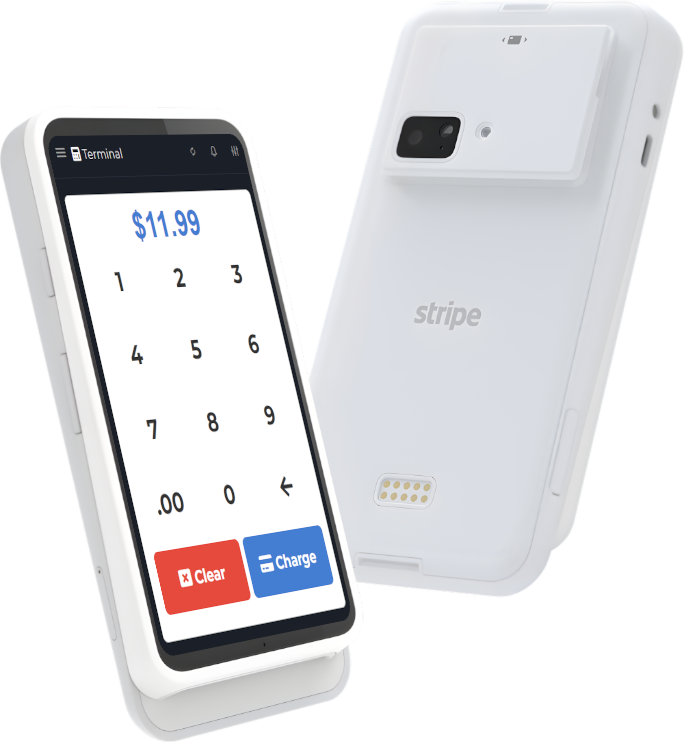
This is where M&M POS can help: it gives you a structured place for transactions, customer records, and consistent receipts, so your evidence does not live in scattered screenshots. If you want to tighten your operation against modern fraud without slowing down good customers, download M&M POS and build your policies into the daily flow.
The calm conclusion
Fraud is getting more automated, and identity artifacts are getting easier to fake. But small businesses have an advantage: you can build a consistent system faster than a giant corporation can rewrite policy across 400 stores.
Do not aim for perfection. Aim for layers. When you can consistently prove what was sold, what was approved, and what your policy was, disputes become manageable and scams become less profitable.