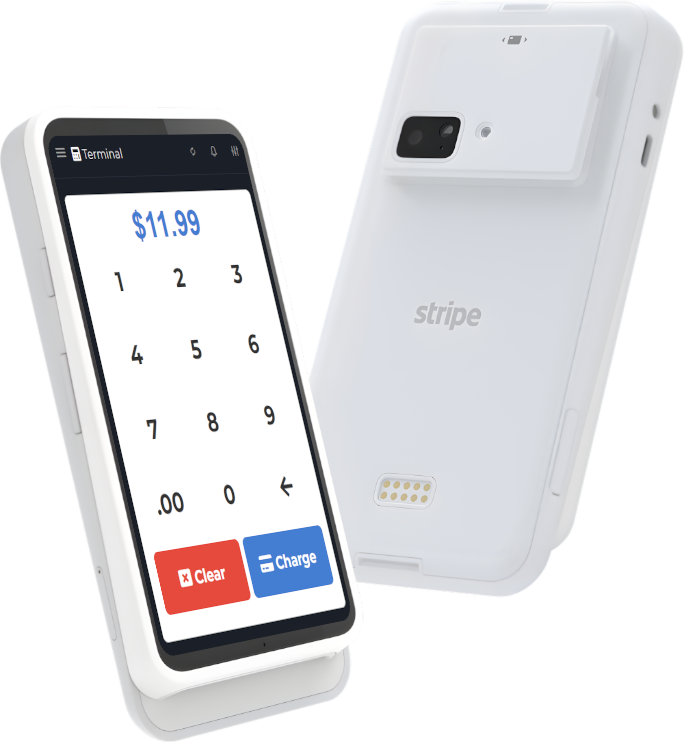


Buy-online-pickup-in-store (BOPIS) and curbside are now normal expectations. Learn a practical POS-first workflow: inventory truth, substitutions, pickup staging, receipts, and reporting so pickup sales stay profitable.
Buy online, pick up in store (BOPIS) used to feel like a retail-only feature. Now it is everywhere: coffee shops, bakeries, boutiques, repair shops, even service businesses that want customers to reserve and prepay.
Customers love it because it saves time. Businesses love it because it can increase throughput without adding floor space.
But BOPIS can quietly lose money if the workflow is not tight. The losses rarely show up as a single obvious mistake. They show up as small leaks: untracked substitutions, missing items, refunds done inconsistently, and inventory that stops matching reality.
This is a POS-first workflow that keeps pickup profitable and calm.
The two truths of BOPIS
- Truth 1: pickup is a service promise, not just an order type.
- Truth 2: pickup lives or dies on inventory accuracy.
If you cannot trust your inventory, you will disappoint customers and pay for it in refunds and support time.
Step 1: Define your pickup promise in one sentence
Pick a promise you can consistently hit. Examples:
- Pickup ready in 20 to 30 minutes during business hours.
- Same-day pickup for orders placed before 3 PM.
- Pickup windows in 30-minute slots.
The exact numbers do not matter as much as consistency. Customers forgive a longer window more than they forgive uncertainty.
Step 2: Build the order states like an assembly line
From an engineering perspective, pickup failures happen when the order has no clear state. Create simple states and train to them:
- Received: payment captured (or authorized), ticket created.
- Picking: staff is collecting items.
- Packed: items verified, bagged, labeled.
- Ready: staged in the pickup area.
- Picked up: handed off, completed.
The important thing is that only one state means the customer can arrive: Ready.
Step 3: Treat substitutions as a controlled decision, not improvisation
Substitutions are where BOPIS profit disappears. If staff swaps items casually, your reporting breaks and customers lose trust.
Create a substitution rule set:
- If the exact item is out of stock, offer the closest alternative at the same price.
- If the alternative costs more, get explicit customer approval before swapping.
- If the customer cannot be reached quickly, refund that line item (do not guess).
Then make sure the POS records what actually happened. This is why the POS choice matters: you need clean receipts and clean adjustments, not back-of-house math.
If you are building a pickup workflow and want a clean foundation, start with M&M POS. When you are ready to trial it, download M&M POS and test the full loop: sale, substitution, partial refund, and reporting.
Step 4: Design the pickup staging area like a system
Most pickup chaos is physical, not digital.
A staging setup that works for small teams:
- One shelf or counter zone labeled Pickup Only.
- Orders are staged by time window (earliest in front).
- Each bag gets a label: name, time, last 4 digits of phone (or order code).
- Cold items and hot items have separate staging rules.
This reduces the most common pickup error: handing the wrong bag to the right person.
Step 5: Receipts and proof should be automatic, not awkward
Pickup has a built-in dispute pattern: a customer says an item was missing. You need a calm way to answer.
Two habits help:
- Use itemized receipts for pickup orders.
- Use consistent packing checks for high-miss items (drinks, sauces, accessories).
The goal is not to argue with customers. It is to reduce mistakes and have clear records when something does go wrong.
Step 6: Reporting: separate pickup from walk-in so you can improve it
Pickup is its own business line. Track it separately:
- Pickup sales volume and average ticket.
- Pickup refund rate and common refund reasons.
- Items most often substituted or missing.
- Peak pickup times (so you can staff accordingly).
This is how you make BOPIS better over time instead of just surviving it.
A story-driven warning: the invisible leak
We have seen small teams launch pickup successfully, then slowly start losing money because substitutions and refunds were being handled differently by different employees. No one thought they were doing anything wrong. But the POS data drifted, inventory drifted, and the owner could not tell which products were actually profitable in pickup orders.
The fix was not a new app. It was a tighter POS-first process: consistent states, consistent substitution rules, and consistent receipts.
Closing thought
BOPIS and curbside are not going away. The businesses that win will be the ones that make pickup boring: clear states, inventory truth, disciplined substitutions, and clean reporting.
If you want a POS foundation that supports that kind of boring reliability, start with M&M POS and keep the installer ready here: download M&M POS.