
"Autonomous finance" is trending, but small businesses cannot afford over-automation. Learn a safe, step-by-step approach: daily close-out discipline, categorized revenue streams, receipt capture, and controlled automations that improve cash flow without losing oversight.
Every few years, the finance world gets a new promise: you will not have to think about money anymore.
Right now the phrase is "autonomous finance". The pitch is seductive: software will categorize transactions, reconcile accounts, chase invoices, forecast cash, and even pay bills with minimal human involvement.
Some of that is real. A lot of it is marketing. And for small businesses, the danger is not that the tools are useless. The danger is that they remove friction from the wrong decision.
As a team that thinks about operational systems, we like to separate two ideas:
- Automation that removes tedious work (good)
- Automation that removes oversight (risky)
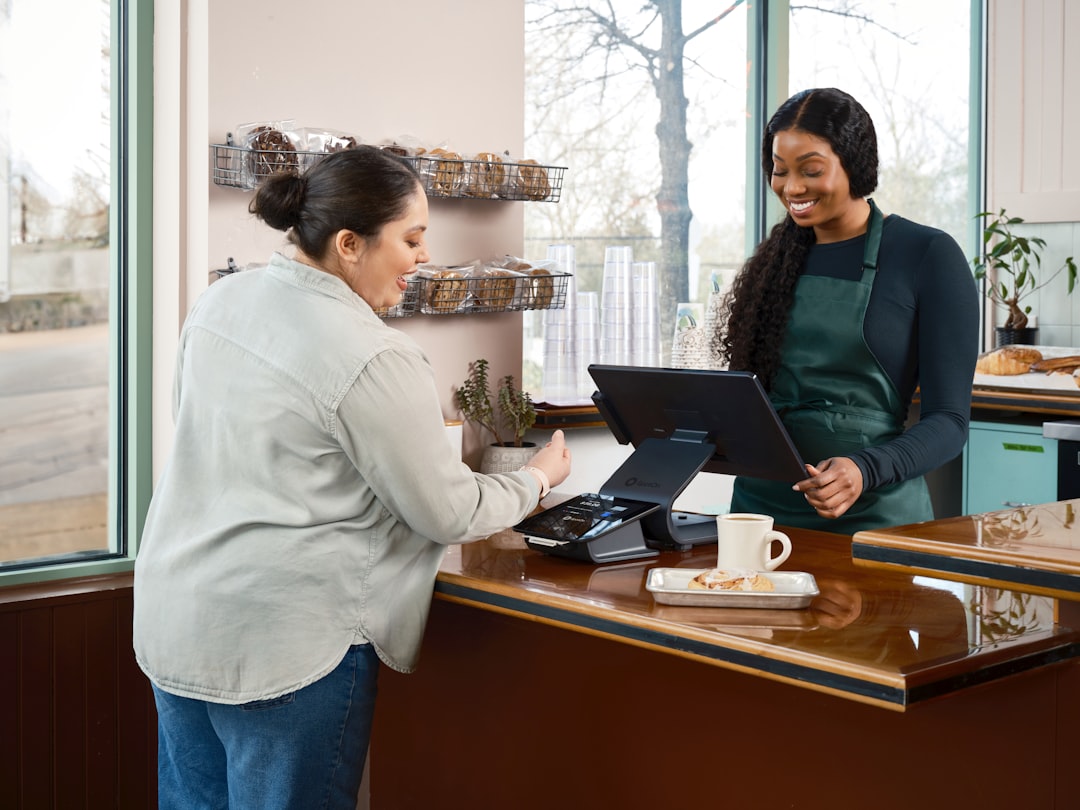
This post is a safe, practical way to build a cash-flow autopilot that keeps humans in the loop. The foundation is simple: your daily POS close-out data is one of your cleanest sources of financial truth. Use it well and the rest gets easier.
Why POS close-out data is the finance anchor
Your POS captures what most bookkeeping systems struggle to reconstruct later:
- What you sold (not just that you got paid)
- When you sold it (shift-level detail)
- How you sold it (cash, card, gift card, split)
- Voids, refunds, discounts (the messy reality)
If your close-out is disciplined, your numbers stop being a debate.
Step 1: Make the daily close-out boring and consistent
Cash-flow autopilot starts with one habit: the day must be closed the same way every time. If your close-out changes based on who is working, your automation is going to learn the wrong patterns.
A close-out routine that works:
- Run end-of-day report (sales by payment type, refunds, discounts)
- Count cash drawer(s) and record over/short
- Confirm tips (if applicable) and how they are paid out
- Capture receipts for key purchases (restock, supplies, repairs)
- Log exceptions with short notes (why was the refund done?)
Engineer perspective: your close-out is a daily data pipeline. When it fails, everything downstream is unreliable.
Step 2: Separate revenue streams so you can see what is working
A common pain point in small-business bookkeeping is "we made money" without knowing why.
In your POS, think in streams:
- In-store sales
- Pickup orders
- Local delivery
- Service labor
- Merch / add-ons
- Gift card sales vs redemptions (not the same)
If you label and report these streams cleanly, forecasting becomes dramatically easier, even with simple spreadsheets.
Step 3: Add automation in layers (with guardrails)
Here is the model we recommend: start with automation that produces drafts, not automation that executes money movement.
Layer A: Auto-categorization (draft-only)
Let tools suggest categories for expenses, but review them weekly. The goal is consistency over perfection. It is better to be consistently wrong in a visible way than randomly wrong.
Layer B: Auto-reconciliation with exceptions
Reconciliation can be mostly automated if your POS close-out is clean. But you need an exception inbox:
- Chargebacks
- Refunds processed days later
- Processor deposit timing differences
- Split tenders that do not match deposits perfectly
Do not hide exceptions. Surface them.
Layer C: Forecasting that does not pretend to be magic
Forecasting is useful when it is humble. A safe forecast answers three questions:
- What cash is likely to arrive in the next 7 and 30 days?
- What bills are due in the same window?
- What is the worst-case week if sales dip?
If you can see those three things, you make better decisions with less stress.
Layer D: Controlled bill pay (only after you trust the data)
Autopay is not evil. It is just unforgiving. Put it behind rules:
- Only autopay vendors you trust
- Only autopay amounts you expect (fixed or capped)
- Keep a weekly review window
- Maintain a cash buffer (even small)
Where M&M POS fits (the practical plug)
If you want "autonomous finance" to be more than a buzzword, you need disciplined source data. That starts with your POS.
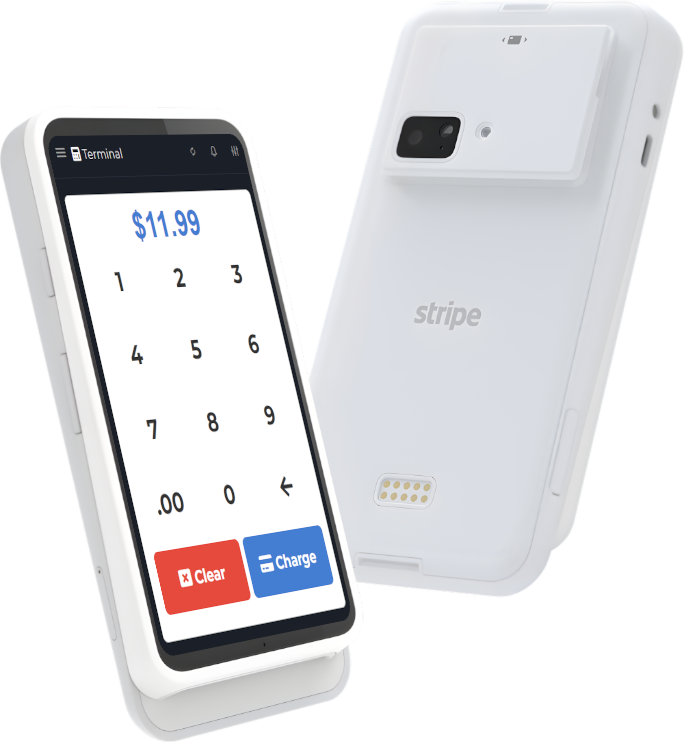
M&M POS is built to help small businesses run clean day-to-day operations: consistent sales records, clear close-outs, and the kind of reporting that makes bookkeeping less painful. If you want to build a cash-flow autopilot the safe way, download M&M POS and start by making your close-out routine consistent. Once the close-out is solid, every finance automation tool you use becomes more reliable.
A realistic goal for the next 30 days
You do not need to become a finance robot. A realistic win looks like:
- Daily close-out done the same way (10 minutes)
- Weekly exception review (20 minutes)
- Monthly reconciliation that does not feel like a crime scene
- A simple 30-day cash view you trust
That is what "autonomous" should mean for a small business: less busywork, more clarity, and humans still in control.