
Retail and brands are moving beyond classic UPCs toward richer 2D barcodes (QR/Data Matrix) that can carry batch, expiration, and source info. Here's what that shift means for small businesses-and how to get your POS and workflows ready without overhauling everything.
Most small businesses have lived in a simple barcode world for decades: a UPC goes on the product, the scanner reads it, and the POS rings it up. Done.
But a new barcode reality is creeping in-one that looks like a QR code or a dense little square (often called a Data Matrix). These are 2D barcodes, and they can carry a lot more information than a traditional UPC. That extra information matters more than ever as businesses deal with recalls, expiration dates, serialization, and customer expectations around transparency.
If you're a retailer, a food business, or you sell any product with lots, batches, or expiration dates, this is worth paying attention to now-before it becomes "suddenly required" by a supplier or a major partner.
UPC vs. 2D barcode: the simplest explanation
- UPC (1D): basically an ID number. Great for "what is this item?"
- 2D barcode (QR/Data Matrix): can hold an ID plus extra attributes (batch, expiration, serial, URL pointer to product data).
Think of it like this: UPC is a primary key. 2D is a record.
Why this matters to small businesses (not just big retailers)
1) Expiration and batch tracking without extra manual work
If your products vary by lot (supplements, cosmetics, food items, some electronics), a 2D code can help you identify exactly which batch you sold-useful for recalls or customer safety.
2) Faster receiving and cycle counts
When the code contains more details, receiving can become less "type it in / guess it" and more "scan it / confirm it."
3) Better returns and warranty workflows
Serial numbers and batch info can reduce return fraud and make warranty claims cleaner. That's a big deal when margins are tight.
4) Smarter shelf labels and customer education
Many brands want to link customers to product pages, ingredient lists, instructions, or authenticity checks. Whether customers scan it or not, it changes packaging and expectations.
The operational fear: "Will this slow down checkout?"
It shouldn't-if you approach it the right way.
The main risks are:
- Scanners that read the 2D code inconsistently
- POS systems that don't know what to do with the richer payload
- Staff confusion: "Which code do I scan?"
The solution is to treat 2D as optional enrichment at first. Your base flow still works off an item ID. The extra attributes can be used when they matter (expiration, batch, serial).
A phased rollout plan you can actually execute
Phase 1: Identify which categories are impacted
Make a simple list:
- Anything with expiration (food, wellness, certain consumables)
- Anything with serial numbers (electronics, tools)
- Anything with frequent recalls/quality issues
Phase 2: upgrade the scanning habit, not the whole system
Test your scanners with sample packaging. Ensure staff knows which code to scan and when.
Phase 3: add data capture only where it pays off
Don't boil the ocean. If capturing batch/expiration helps you reduce waste or manage recalls, implement it for those items first.
Engineering note: treat barcode data like input validation
From a team/engineering perspective, 2D barcodes are "untrusted input." They can contain URLs, long strings, or unexpected formats. A well-built POS should validate and normalize what it accepts, and never assume the barcode payload is safe or clean.
This is one reason it's worth using a POS that is actively maintained and designed with real-world edge cases in mind.
Where M&M POS fits
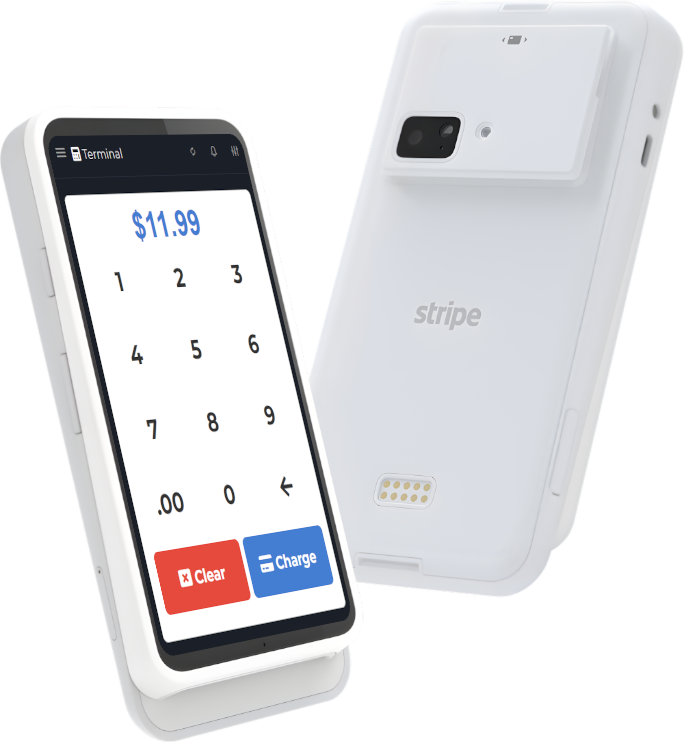
Whether you're scanning a classic UPC or a more complex code, your POS should keep checkout fast and inventory accurate. M&M POS is built to help small businesses keep product data organized and transactions clean-so you can evolve your workflows without turning your counter into a science project.
If you're starting to see more QR/Data Matrix codes on packaging, grab download M&M POS and begin with a simple audit: which items do you scan today, which ones cause confusion, and which ones would benefit from capturing batch/expiration details?
The takeaway
2D barcodes aren't just a marketing gimmick. They're a data upgrade to the physical world. You don't have to implement everything at once-but you do want to be ready when suppliers and customer expectations make "scan the richer code" the new normal.