
A restaurant operations guide for using connected systems, automation, and POS workflows without making guests feel trapped in a robot-first experience.
Restaurant technology headlines are full of connected operations, AI, automation, and voice ordering. The big chains are testing faster kitchens, smarter equipment, loyalty personalization, and tools that make stores easier to run. At the same time, plenty of diners still want a human when something is wrong, confusing, or emotional. That tension is the part local restaurants should study. The win is not "replace people with robots." The win is to remove friction that staff and guests both hate.
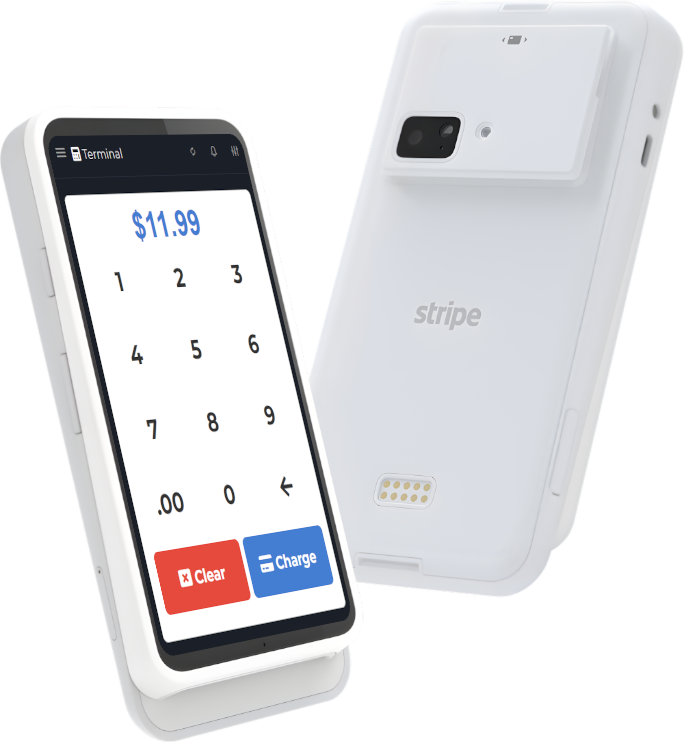
For an independent restaurant, the point of automation should be simple: fewer missed items, cleaner handoffs, faster closeout, and less chaos during rush. M&M POS can sit at the center of that routine because the order, item, tender, modifier, and receipt data are where service work becomes measurable. If you want a register foundation before redesigning your workflow, download M&M POS and map the handoffs that slow your team down today.
Start with moments customers already dislike
Guests do not care that a system is advanced. They care that the order is right, the wait makes sense, and someone can fix a mistake without acting annoyed. The best connected-operation upgrades begin with pain points customers already complain about. Long lines, wrong modifiers, missing utensils, unclear pickup shelves, duplicate delivery orders, and slow refunds are better targets than flashy tech that nobody asked for.
Make a list from receipts, reviews, staff notes, and manager memory. Then sort each issue into one of three buckets: information missing, information late, or information ignored. A missing allergy note is different from an allergy note that arrives after the food is made. A pickup order that staff never see is different from one that sits completed with no customer name. The bucket tells you what to change.
Design automation as a staff assist, not a guest obstacle
The safest automation is usually invisible to the guest. It routes orders, prints prep notes, reminds staff about modifiers, creates closeout reports, and highlights exceptions. Guests experience the benefit as smoother service, not as a machine demanding they adapt. That matters because customer patience is lower when the technology feels like a wall between them and help.
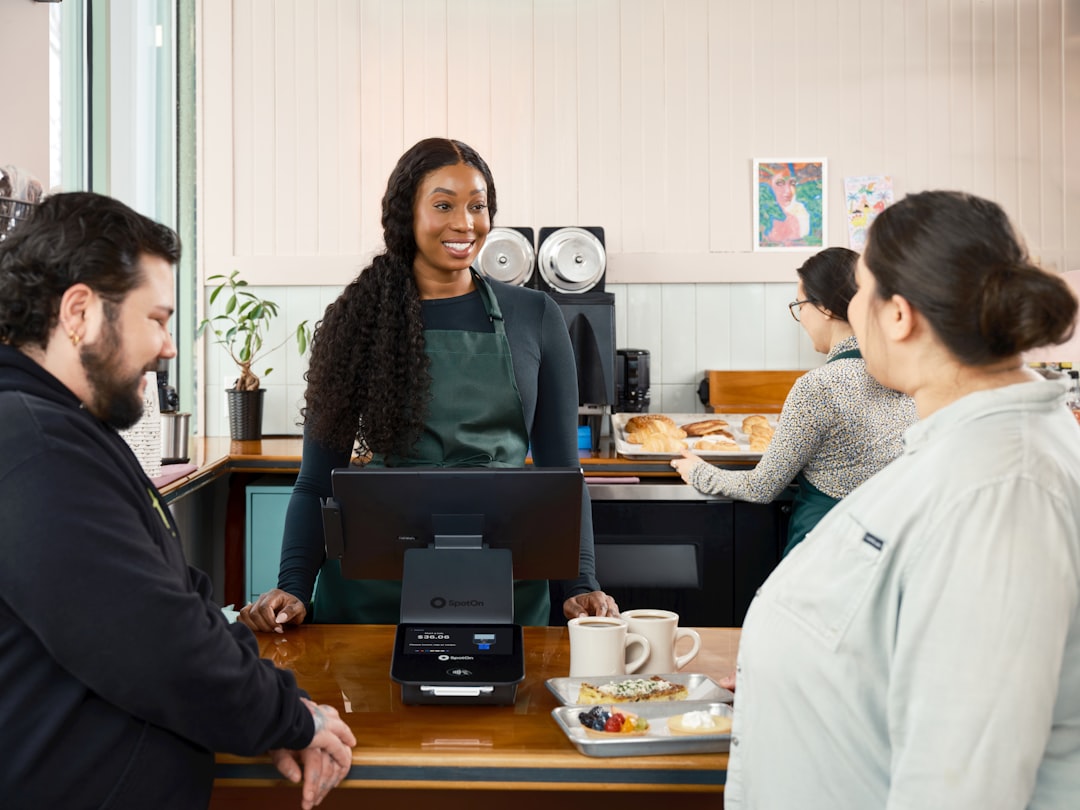
For example, a counter restaurant can keep human ordering while using better item buttons, required modifier prompts, and clear kitchen labels. A cafe can keep friendly barista conversation while using saved item names and daypart reports to prep the right volume. A quick-service team can use order notes and fulfillment status without forcing every diner into a chatbot.
Use the POS menu as the source of operational truth
Many restaurant problems start because the menu exists in too many places. The printed board says one thing, the delivery tablet says another, the cashier uses an old shortcut, and the kitchen has its own nickname for the same item. Connected operations only work when item names, modifiers, prices, taxes, and availability are clean.
Review the menu inside the POS like it is a training document. The item name should be clear enough for a new cashier. Modifiers should match kitchen language. Combos should not require mental math. Out-of-stock items should be removed or flagged before service begins. If staff rely on a workaround, the workaround should become a button, note, or procedure instead of tribal knowledge.
Measure friction with a weekly exception review
A local restaurant does not need a data science team to measure whether operations are getting better. Review exceptions every week. Look at voids, refunds, discounts, remakes, open checks, unusually long tickets, and high-dispute items. The goal is not to punish staff. The goal is to find where the system is asking people to remember too much under pressure.
- If voids cluster around one item, the button or modifier may be confusing.
- If refunds spike during online order windows, pickup timing may be unrealistic.
- If discounts appear under vague reasons, managers may need clearer approval rules.
- If remakes happen on the same modifier, the kitchen label should be changed.
Make one fix per week and watch the next report. Connected operations become real when each report turns into a small improvement.
Give guests a human escape hatch
Even the best workflow needs a visible way for customers to get help. If you add self-ordering, QR menus, pickup shelves, SMS updates, or AI-assisted communication, decide who owns exceptions. A guest who cannot find an order should not be told to scan another code. A customer with a refund issue should not bounce between employees. A parent with a stroller, an older customer, or a guest with a dietary concern may need a person immediately.
Train the team to say, "I can fix that," then use the POS to document what happened. That combination protects the customer experience and gives the operator better data. Human recovery plus clean reporting beats cold automation every time.
The operator takeaway
Connected operations are worth attention, but local restaurants should not chase every chain experiment. Start with customer pain, clean up the menu, automate staff handoffs, review exceptions, and keep a human recovery path. The result is not a robot restaurant. It is a calmer restaurant where staff can serve people instead of fighting the system.