
A convenience store POS checklist for preparing item eligibility, category reports, substitutions, signage, and staff scripts when benefit rules or buying patterns shift.
Convenience store operators are watching benefit rules, grocery traffic, and category demand more closely than usual. Recent c-store coverage has been tracking possible SNAP rule changes and the sales impact that can follow when eligible and non-eligible categories shift. Even if your store is not directly affected today, the lesson is bigger: when payment eligibility or customer budgets change, the POS catalog has to be ready.
This is not a policy prediction, and it is not advice about a specific state program. Rules vary, and retailers should confirm current requirements through official channels. The operating point is that item eligibility, category planning, substitutions, and staff training should not live in someone's memory.
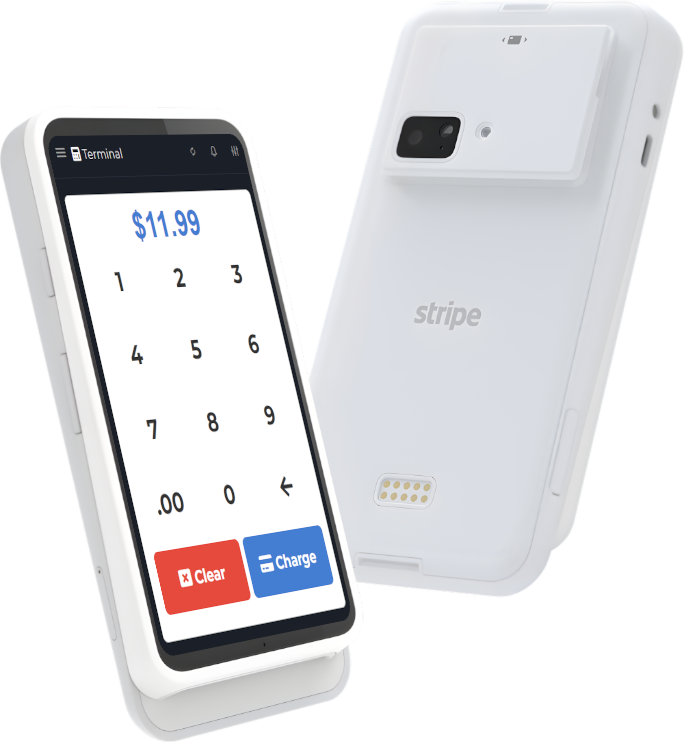
A POS-first setup helps. With M&M POS, you can organize items, categories, and reporting routines in a way that supports daily decisions. If you want to test a cleaner category structure, download M&M POS and build a small sample catalog before touching live store data.
Why eligibility changes create front-counter friction
Customers do not experience rule changes as policy documents. They experience them at the counter. An item rings up differently than expected. A cashier has to explain why a product is or is not eligible. A family switches from one snack or drink to another. A line builds. The cashier feels like the bad guy. The customer feels embarrassed or frustrated.
That friction is reduced when the catalog is clean and the staff script is calm. The worst time to decide how to categorize an item is while a customer is waiting to pay.
Checklist 1: Clean up item-level eligibility
Start with the items customers buy most often, not the whole store. Review the top-selling grocery, beverage, snack, prepared food, and household categories. For each item, confirm the right department, tax status, payment eligibility, barcode, description, and active/inactive status. Retire duplicate SKUs that create inconsistent behavior.
- Are similar items categorized the same way?
- Do multipacks, singles, and combo items have separate rules where needed?
- Are prepared foods separated from packaged foods correctly?
- Are seasonal or promotional items reviewed before they hit the shelf?
- Can a cashier search the item by a plain-language name?
Do not let the vendor's product name be the only name in your system. A cashier should not need to know the exact abbreviation printed on a case invoice to find a product during a rush.
Checklist 2: Build substitution paths before shelves change
If a rule change or budget shift affects a category, customers will look for substitutes. Your job is to make the substitute easy to find and easy to explain. If one beverage category is under pressure, what compliant or lower-cost alternative sits nearby? If a snack category changes, what item can staff recommend without sounding like they are upselling a sensitive purchase?
Use POS reports to identify the items that move together. A customer who buys coffee may also buy a breakfast item. A customer who buys a bottled drink may also buy a snack. If one category dips, watch the paired categories. The sales story is usually in the basket, not just the item.
Checklist 3: Separate reporting for grocery, prepared food, and impulse
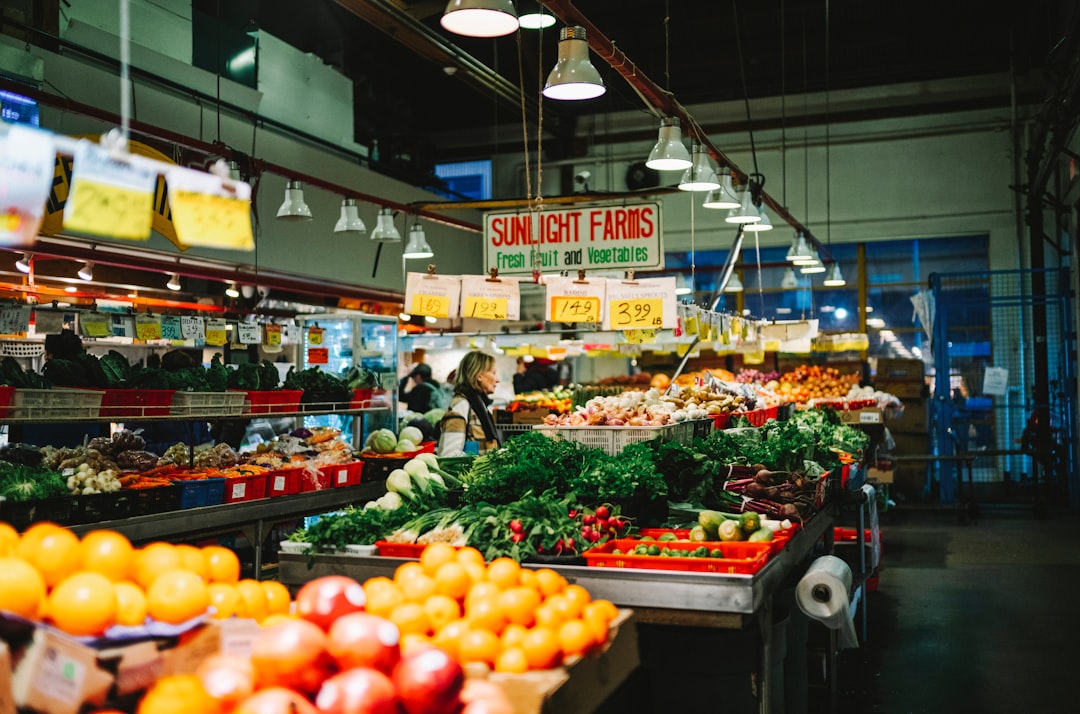
A convenience store is not one business. It is grocery, beverage, prepared food, fuel-adjacent trips, impulse, tobacco or age-restricted products where applicable, lottery where applicable, and household basics. If everything is lumped into broad departments, you cannot see which customer need is changing.
Create categories that match decisions. "Packaged beverage" and "fountain beverage" are different decisions. "Prepared hot food" and "shelf-stable snack" are different decisions. "Eligible staple item" and "treat item" may need different signage, pricing, and reorder logic depending on your market and rules.
Checklist 4: Train cashiers with a short script
Staff should never have to improvise a sensitive explanation. Give them a short script that is factual, respectful, and not political. For example: "The register follows the current item rules. This item is not going through under that payment type, but these nearby items are available options." Then teach cashiers when to call a manager.
Keep the script printed near the register, and update it whenever policy or category rules change. The goal is not to make staff experts in benefits policy. The goal is to keep the checkout respectful and accurate.
Checklist 5: Watch shrink, waste, and shelf gaps
When demand shifts, waste can rise in one category while stockouts rise in another. Prepared food is especially sensitive because it has production timing, packaging, holding time, and markdown decisions. If customers trade into different items, your old par levels may be wrong.
Review sales, voids, waste notes, and stockouts together. If eligible packaged items sell faster, adjust reorder points. If prepared items slow down, change batch size before waste becomes the story. If customers ask for products you do not carry, log those requests instead of relying on memory.
Checklist 6: Make signage practical
Signs should help customers choose faster, not create legal confusion. Keep signs accurate, simple, and easy to update. Avoid making claims about eligibility unless you are certain and prepared to maintain the sign. In many stores, the better approach is category clarity: group similar items, keep shelf labels accurate, and let the POS enforce final eligibility.
The bottom line
Eligibility and budget shifts are operational events. They touch catalog data, staff confidence, customer dignity, waste, substitution, and reorder planning. A convenience store that treats the POS catalog as a living control system will handle those shifts better than a store that treats it as a price list nobody reviews.