

A restaurant operations walkthrough for using POS reports, deposits, delivery fees, payroll timing, and vendor bills to make calmer cash-flow and financing decisions.
Restaurant operators are hearing the cash-flow conversation everywhere: tighter financing, expensive short-term debt, value pressure, delivery fees, labor swings, and food costs that refuse to behave. The scary part is not one bad day. The scary part is when the owner cannot tell whether the business is temporarily tight, structurally underpriced, leaking through fees, or about to make a financing decision from panic.
A restaurant does not need a finance department to get calmer. It needs a daily rhythm that ties orders, deposits, refunds, payouts, fees, labor, and vendor bills back to the same source of truth. That source of truth starts at the point of sale.
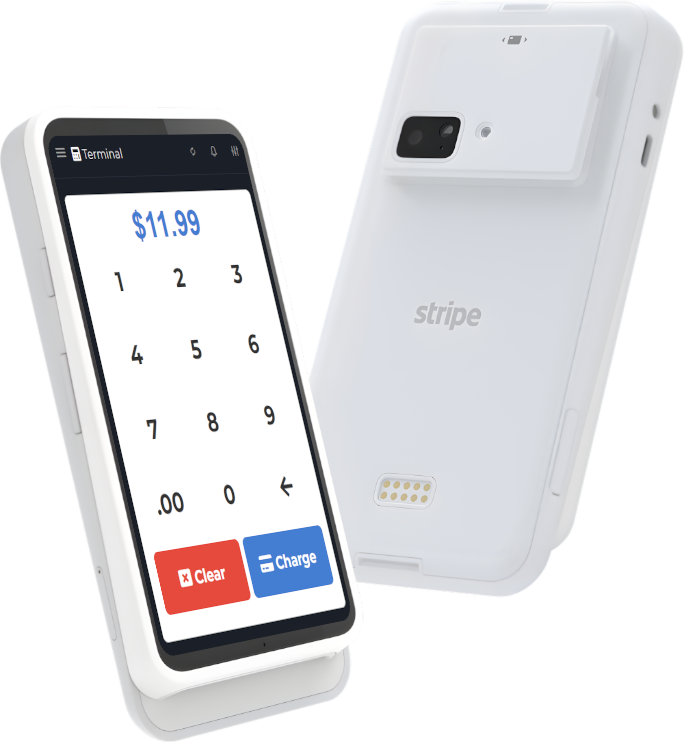
If you are building that rhythm from scratch, use M&M POS to keep sales activity organized and download M&M POS so you can test close-out, category, and reporting routines before the next busy weekend. The POS will not magically create cash, but it can stop cash questions from turning into guesswork.
The Monday morning mistake
Many restaurants review cash only when something feels wrong. A vendor calls. Payroll is due. A card processor deposit is smaller than expected. A delivery marketplace payout does not match the order total. Suddenly the owner is reconstructing three days of business from bank activity, memory, and screenshots.
That is backwards. The better routine starts before the bank statement. Every day should produce a simple expected-cash picture: what you sold, how customers paid, what should deposit, what fees are likely, what refunds or voids changed the total, and what cash drawer variance needs explanation.
Build a daily cash-flow close, not just a sales close
A sales close asks, "How much did we sell?" A cash-flow close asks, "What money should actually be available, when, and why might it differ?" That second question is the one that helps with financing decisions.
- Sales by payment type: split cash, card, gift card, online, delivery marketplace, and house account activity.
- Refunds and voids: require reasons so unusual patterns do not hide inside net sales.
- Discounts and comps: separate marketing offers from service recovery and manager exceptions.
- Expected deposits: note card settlement timing and any delivery or platform payout timing.
- Cash variance: record over/short numbers while the shift is still fresh.
This does not have to be a long meeting. A manager can close the day, export or review the POS summary, and flag only the exceptions. The owner should not need to inspect every ticket; the owner needs to see exceptions quickly.
Track fees as a line of business, not background noise
Fees are sneaky because they rarely arrive as one dramatic invoice. Card fees, marketplace commissions, delivery adjustments, refund costs, packaging, and promotional credits all chip away at the gap between menu price and bank balance. If you only look at gross sales, you may think a channel is healthy when it is actually training customers into a low-margin path.
Give each major fee type a home in your review. Delivery marketplace fees belong with delivery sales. Card fees belong with payment mix. Discount-funded promos belong with the campaign that created them. If a fee cannot be tied to a decision, it becomes impossible to improve.
Use menu categories to find cash pressure early
Menu engineering is usually discussed as profit optimization, but it is also a cash-flow safety tool. Look at each category through four lenses: sales volume, food cost pressure, prep labor, and waste risk. A popular item with rising ingredient cost may still bring traffic, but it needs portion control or price review. A low-volume item with high waste may be silently burning cash even if the theoretical margin looks fine.
The POS should make category movement visible. If chicken sandwiches are growing because of a value offer, watch modifier choices, combos, refunds, and kitchen times. If a beverage category has strong margin but weak attachment, train staff to offer it at the right point in service. Cash flow improves when you increase the percentage of tickets that include profitable, operationally easy items.
Do not use financing to cover reporting confusion
Short-term financing can be useful when it funds a clear plan: equipment with measurable capacity, a remodel with a sales target, inventory for a known seasonal spike, or bridging a timing gap with predictable deposits. It gets dangerous when it covers a business model nobody has measured.
Before taking on debt, answer these questions with POS-backed evidence:
- Which sales channels produce reliable deposits and which create delayed or adjusted payouts?
- Which categories are growing in units but shrinking in margin?
- How much of the discount activity is planned versus manager recovery?
- Are refunds, voids, or cash variances normal for the sales volume?
- What weekly sales level is needed to cover the new payment comfortably?
If you cannot answer those questions, pause. The first investment may need to be operational clarity, not another loan.
A simple weekly owner dashboard
Keep the dashboard boring. Boring is good. Include net sales, gross sales, payment mix, expected deposits, discounts by reason, refunds by reason, top categories, labor estimate, cash variance, and vendor bills due in the next seven days. Review the same numbers every week at the same time. Do not let every meeting become a new spreadsheet invention.
Then write one decision at the bottom: raise price, remove item, retrain close-out, change promo, call vendor, adjust labor, or hold steady. The dashboard is not for decoration. It should force a decision.
The calmer path
Cash-flow pressure is real, and restaurants do not get easier just because the owner builds a better report. But a POS-first routine turns panic into sequence. Close the day. Match expected deposits. separate fees. Watch categories. Decide before borrowing. That rhythm gives a restaurant the best chance to use financing as a tool instead of a last-minute rescue.