
Loyalty programs fail when customers forget logins, apps, and cards. Wallet-based loyalty passes are trending because they reduce friction. Learn how to design a simple loyalty pass and connect it to POS workflows and staff habits.
Loyalty is one of those topics where everyone agrees in theory and then struggles in practice. The punch card gets lost. The loyalty app gets deleted. The email sign-up form collects addresses you never message. The program exists, but it does not move the needle.
The trend that is quietly fixing this is wallet-based loyalty passes: a pass that lives in Apple Wallet or Google Wallet, updates automatically, and pops up on a customer phone at the right moment.
This is not about building a complicated points economy. It is about reducing friction so customers actually participate, and giving your staff a simple routine that does not slow the line down.
If you are building customer retention workflows, a clean POS matters because loyalty only works when your receipts, discounts, and customer notes are consistent. M&M POS gives you a solid foundation for that. You can download M&M POS and keep itemization, promotions, and customer-facing receipts organized as you roll loyalty out.
Why wallet passes are trending
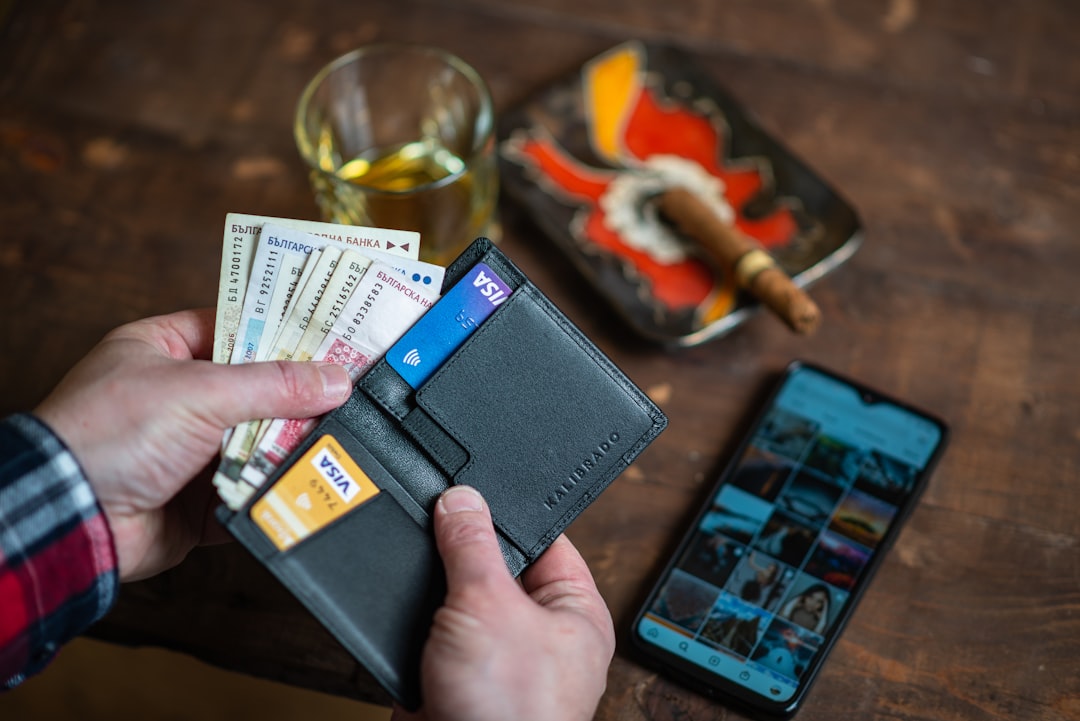
Wallet passes win for one reason: they live where customers already keep payment and tickets. No new app. No new username. No separate card. That matters more than most loyalty features.
From an operations perspective, wallet passes also reduce support overhead:
- Fewer "I forgot my password" situations
- Fewer "I had points on my old phone" arguments
- More consistent redemption, because the pass is easy to show
Start with the simplest loyalty mechanic: visits or stamps
Most small businesses should avoid points at first. Points require math, explanations, and endless edge cases. A better starting mechanic is:
- Visits: Buy 9, get the 10th free
- Stamps: One stamp per purchase (or per category)
- Tier: "Member" vs "VIP" based on simple thresholds
These are easy to explain and easy to enforce. Your staff can communicate them in a single sentence, which is the real test.
Design the pass like a product (not like a coupon)
This is the engineer mindset: treat your loyalty pass as a small product with a user experience.
What the pass should show
- Clear progress: stamps/visits earned and how many remain
- The rule in one line: "Buy 9 coffees, get 1 free"
- Your brand name: so customers find it quickly
- Optional: the last earned date (helps customer trust)
What the pass should not do
- Require customers to type a password at checkout
- Make staff browse a complicated menu to redeem
- Hide rules behind fine print
Operational reality: your loyalty program is a staff workflow
Even the best pass fails if the team forgets to ask, forgets to scan, or applies redemptions inconsistently. Keep the workflow minimal:
- Staff asks one question: "Do you want to add your loyalty pass today?"
- Customer shows pass (or QR code) on phone
- Staff scans it and completes the sale
- System updates progress automatically
This is where your POS configuration matters: the discount or free-item redemption should be a named, consistent action that shows up clearly on the receipt. Clean receipts reduce disputes and make your reporting honest.
Privacy and trust: be explicit about what you collect
Wallet passes feel personal. That is why you must be clear. A good policy for most small businesses:
- Collect only what you need (often just a phone number or email, or even neither)
- Explain how often you message customers
- Offer an easy opt-out
Trust is part of retention. If customers feel tricked into marketing spam, they do not come back.
What to measure (keep it simple)
Do not overthink analytics. Track:
- New loyalty signups per week
- Redemptions per week
- Repeat visit rate (before vs after)
These are the metrics that tell you if loyalty is working. Everything else is decoration.
Where M&M POS fits
Loyalty works when redemption is consistent and receipts stay clean. A POS should make promotions explicit, measurable, and easy for staff. If you are tightening up your customer experience and retention workflows, set up your catalog and promo patterns in M&M POS, then download M&M POS to build a loyalty routine your team can execute without slowing down the line.
In 2026, the best loyalty program is the one customers actually remember to use. Wallet passes are trending because they remove the biggest barrier: friction.