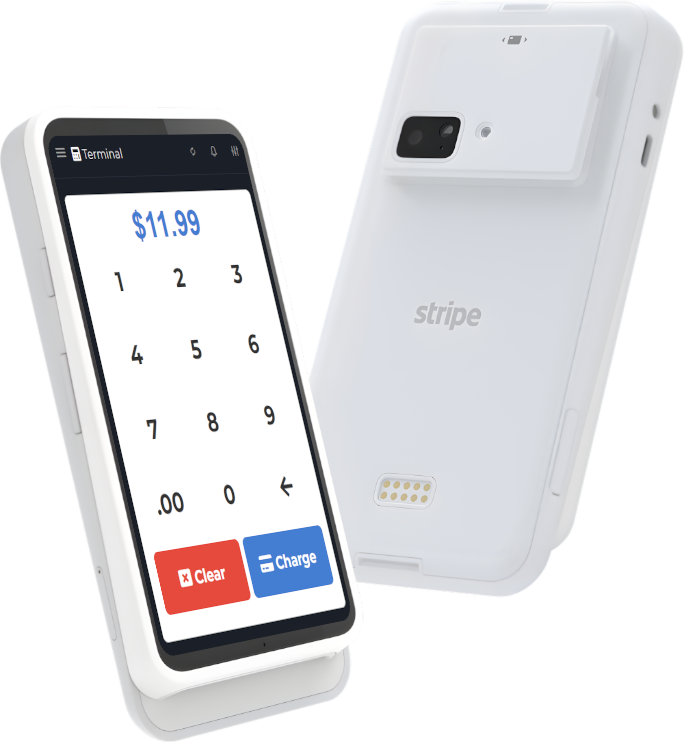


Cut manual counts and stockouts by connecting sales to inventory updates and reorder rules in your POS.
Streamline retail inventory with POS automation
Inventory friction costs time and cash. Use point-of-sale automation to cut manual work, reduce stockouts, and make purchasing decisions from live sales data.
The problem operators face
Retail teams juggle deliveries, transfers, counts, and reorder decisions. Data sits in spreadsheets or delayed reports. That delay causes understock, overbuying, and lost sales.
What automation delivers
Automation connects sales events to inventory state in real time. When an item sells, stock levels update instantly. Low-stock alerts and reorder rules trigger purchasing actions. Multi-location visibility shows where to pull stock or move inventory.
Key tradeoffs and selection criteria
- Accuracy vs speed - choose systems that commit adjustments immediately but allow audit corrections.
- Centralized control vs local autonomy - central dashboards simplify buying, local controls preserve autonomy for store managers.
- Integration surface - prefer POS solutions that link with receiving, accounting, and supplier portals to avoid duplicate data entry.
Security and compliance considerations
Inventory data ties to financial records. Ensure role-based access for stock adjustments. Log adjustments and retain records for audits. If you accept payments, keep payment workflows separate from inventory controls for clearer reconciliation.
Implementation checklist
- Map SKUs and barcodes for every sellable unit.
- Set up location hierarchy and transfer rules.
- Configure reorder thresholds and vendor lead times.
- Enable real-time sales-to-inventory updates in the POS.
- Run an initial cycle count and reconcile discrepancies.
- Train staff on adjustments and receiving workflows.
Operational playbook
Start with high-impact items - top sellers and items with tight margins. Monitor low-stock alerts for two weeks and adjust thresholds based on sales velocity. Use bundled reports that combine sales, on-hand, and purchase orders to make buying decisions.
How M&M POS helps
M&M POS is designed to provide inventory tracking across locations, real-time stock updates, and configurable reorder alerts. Use the platform to centralize counts, run low-stock reports, and connect sales data directly to purchase planning. Learn more at https://mmpos.app.
Risks and next steps
Expect initial data cleanup and some process changes. Plan a short pilot with one or two locations before a full roll-out. Measure success by reduction in stockouts and time spent on manual counts.