

Bootstrapping, angel investors, loans, grants - which fit your new business and what to watch out for.
How to Fund Your Startup (Without Selling Your Soul)
One of the biggest early challenges is funding. But you don't have to go to venture capital right away. Understanding alternatives helps you choose wisely and avoid costly mistakes.
1. Bootstrapping First
Use personal savings, early revenue, or minimal costs to get started. It gives you control, avoids dilution, and forces discipline in spending.
2. Business Loans & SBA Options
Traditional bank loans or backed options (e.g. SBA 7(a)) offer capital but require repayment. Use them for assets or working capital when cash flow is predictable. SBA is known for helping small businesses access capital.
3. Grants & Competitions
Some local, state, or nonprofit organizations offer grants or startup competitions. These don't require payback - but competition is fierce and requirements strict.
4. Angel Investors / Micro-VC
If your business has potential for high growth, angels or seed funds may invest. Expect to give up equity or control. Be sure to understand terms, valuation, and dilution.
5. Revenue-Based Financing / Convertible Notes
These let you raise capital in exchange for a share of future revenue or equity that converts later. They can be flexible if structured well.
6. Use Revenue Tools Wisely
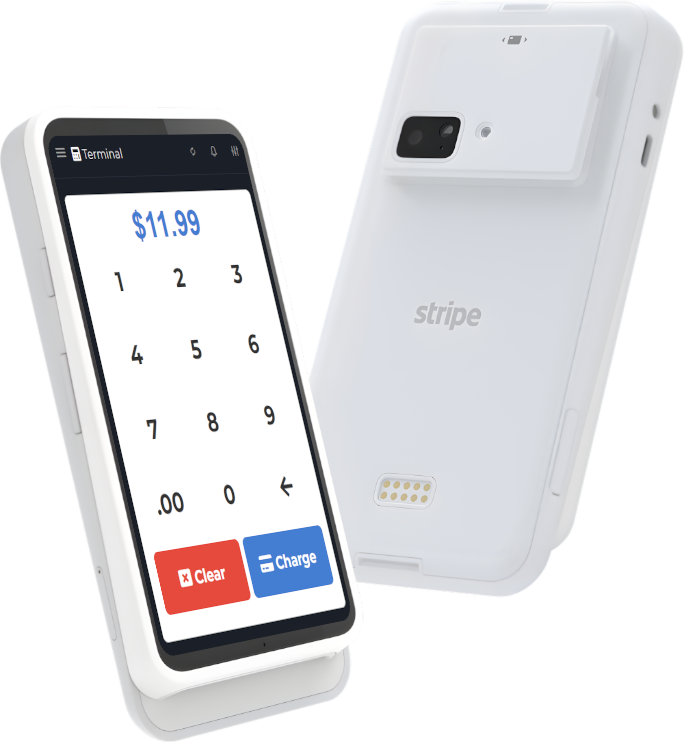
Your POS is your single source of truth for sales, margins, and growth projections. Use M&M POS to generate clean financials and dashboards you can show investors, lenders, or grant reviewers.
Final Thought
Funding is a tool, not the goal. Choose the option that aligns with your control, risk tolerance, growth ambition, and timeline. With clarity and clean numbers, you'll attract capital that supports - not controls - your vision.